
How Much Is It To Fix A Blown Head Gasket
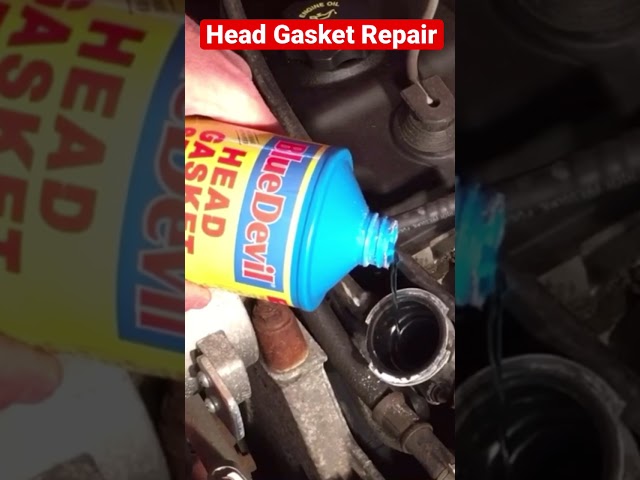
A blown head gasket is one of those automotive problems that can send shivers down the spine of any car owner. Not only does it often indicate a more serious underlying issue, but the repair cost can also be significant. Understanding the factors that influence the price of a head gasket replacement is crucial for budgeting and making informed decisions.
Understanding the Culprit: What is a Head Gasket?
The head gasket is a critical component nestled between the engine block and the cylinder head(s). Its primary function is to seal the combustion chambers, preventing the escape of high-pressure gases, coolant, and oil. It ensures that each cylinder maintains optimal compression for efficient combustion and also prevents coolant and oil from mixing. When a head gasket fails (blows), it compromises these seals, leading to various performance issues.
Symptoms of a Blown Head Gasket
Before diving into costs, recognizing the symptoms is paramount. Common signs include:
- Overheating: A failing head gasket can allow coolant to leak, reducing cooling efficiency and causing the engine to overheat.
- White Smoke: White smoke emanating from the exhaust pipe, often accompanied by a sweet smell, indicates coolant burning in the combustion chamber.
- Milky Oil: Coolant mixing with engine oil creates a milky, light brown appearance on the dipstick. This is a serious sign.
- Bubbles in the Radiator: Combustion gases leaking into the cooling system can cause bubbles to appear in the radiator or coolant reservoir.
- Loss of Power: Reduced compression in one or more cylinders leads to a noticeable decrease in engine power.
- Coolant Loss: Unexplained coolant loss without any visible leaks.
Factors Influencing Head Gasket Replacement Cost
The cost of fixing a blown head gasket is rarely straightforward. Several variables come into play:
- Vehicle Make and Model: Luxury vehicles and those with complex engine designs generally incur higher labor costs and potentially require more expensive parts. For example, a V6 or V8 engine will have more involved labor than an inline-4.
- Engine Type: The design and complexity of the engine significantly affect labor time. Overhead cam (OHC) engines and dual overhead cam (DOHC) engines often require more intricate disassembly and reassembly than older pushrod engines.
- Labor Rates: Hourly labor rates vary considerably depending on the geographical location and the type of repair shop (dealership, independent shop, etc.). Dealerships usually have higher labor rates.
- Parts Costs: The head gasket itself can range from a relatively inexpensive part to a more costly, high-performance option. Additionally, related parts like head bolts, seals, and hoses are often replaced simultaneously, adding to the overall cost. The type of gasket material (MLS - multi-layered steel, composite, etc.) also influences the price.
- Machine Shop Work: In many cases, the cylinder head(s) needs to be resurfaced (machined) to ensure a perfectly flat sealing surface. This prevents future leaks and requires the services of a specialized machine shop. This step adds to the overall expense but is crucial for a long-lasting repair. Pressure testing the head for cracks is also recommended.
- Related Damage: A blown head gasket can sometimes lead to other engine damage, such as warped cylinder heads or damaged pistons. Addressing these issues will significantly increase the repair bill.
Cost Breakdown: What to Expect
While it's impossible to provide an exact figure without inspecting the vehicle, here's a general cost range:
- Labor: The majority of the cost typically lies in labor. Replacing a head gasket can take anywhere from 8 to 15 hours, depending on the engine type and vehicle complexity.
- Parts: The head gasket itself might cost between $50 and $300, depending on the engine and material. Add in the cost of head bolts, coolant, oil, filters, and other necessary components, and the parts bill can easily reach several hundred dollars.
- Machine Shop: Cylinder head resurfacing typically costs between $100 and $300 per head.
Therefore, a reasonable estimate for a head gasket replacement could range from $1,200 to $3,000 or more. Complex engines, like those found in some European luxury cars or high-performance vehicles, can easily exceed this range.
Prevention is Key
While a blown head gasket can be a costly repair, proper maintenance can significantly reduce the risk. Regularly checking and maintaining the cooling system, ensuring adequate coolant levels, and addressing any overheating issues promptly are crucial preventative measures. Regularly scheduled coolant flushes are also important. Furthermore, avoid pushing the engine excessively hard, especially when it's cold.
Making the Decision: Repair or Replace?
In some cases, especially with older or high-mileage vehicles, the cost of a head gasket replacement may approach or even exceed the vehicle's value. In such situations, consider the overall condition of the car and the potential for future repairs. A complete engine replacement or even selling the vehicle might be a more sensible option. Getting a comprehensive diagnostic report from a trusted mechanic is essential before making a final decision. Always ask for a detailed estimate that outlines all costs involved and discusses potential complications.