
How Much Is It To Get A Head Gasket Fixed
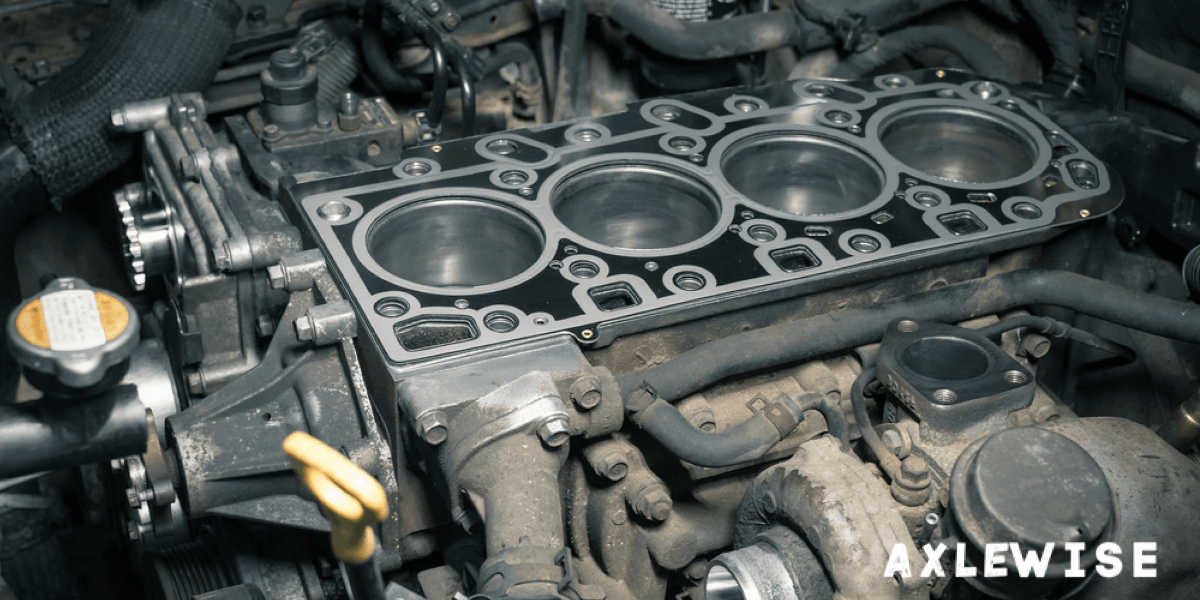
The dreaded head gasket. Just the mention of it can send shivers down the spines of car owners and enthusiasts alike. A blown head gasket often signifies a significant repair bill and a potentially lengthy period without your vehicle. But before you panic and start imagining selling your car for scrap, let's break down what a head gasket is, what causes it to fail, and, most importantly, how much it typically costs to get it fixed.
Understanding the Head Gasket: The Silent Sealer
In essence, the head gasket is a crucial sealing component located between the engine block and the cylinder head. Its primary function is to maintain a tight seal, preventing combustion gases, coolant, and oil from mixing and leaking. It's a high-stress component, subjected to extreme temperatures and pressures every time the engine runs. Think of it as the unsung hero that keeps your engine running smoothly.
Head gaskets come in various materials, including composite, copper, and steel, each with its own pros and cons in terms of durability and cost. Modern engines often use multi-layered steel (MLS) gaskets, prized for their resilience and ability to conform to minor imperfections in the mating surfaces. However, even the best gaskets eventually succumb to wear and tear.
Factors Contributing to Head Gasket Failure
A blown head gasket rarely happens spontaneously. Several factors can contribute to its demise, including:
- Overheating: This is the most common culprit. Extreme heat can warp the cylinder head and engine block, compromising the seal.
- Detonation (Knocking): Pre-ignition or knocking creates excessive pressure within the cylinders, stressing the head gasket.
- Corrosion: Over time, coolant can become acidic and corrode the head gasket material.
- Improper Installation: Incorrect torque specifications during a previous engine repair can damage the gasket.
- Age and Mileage: Like any component, head gaskets degrade over time due to heat cycles and wear.
The Cost Breakdown: More Than Just the Gasket
Now for the burning question: how much will this repair set you back? The cost of replacing a head gasket can vary significantly depending on several factors:
- Vehicle Make and Model: Luxury vehicles and those with complex engine layouts typically have higher labor costs. Some engines are simply more difficult to access and disassemble.
- Engine Type: 4-cylinder engines are generally less expensive to repair than V6 or V8 engines.
- Labor Rates: Mechanic labor rates vary geographically. Expect higher rates in metropolitan areas.
- Parts Costs: The price of the head gasket itself can range from $50 to $300 or more, depending on the quality and manufacturer.
- Machine Shop Work: In many cases, the cylinder head needs to be resurfaced at a machine shop to ensure a perfectly flat mating surface. This adds to the overall cost. Resurfacing ensures proper sealing and prevents future leaks.
- Related Repairs: It's often wise to replace other components, such as the head bolts, timing belt or chain, water pump, and thermostat, while the engine is disassembled. This minimizes the risk of future issues and saves on labor costs down the road.
Considering all these factors, you can generally expect to pay anywhere from $1,500 to $4,000 or more for a head gasket replacement. Cheaper estimates might cut corners by not resurfacing the head or using lower-quality parts, which could lead to problems later on.
Is it Worth Fixing? Considerations and Alternatives
Faced with such a potentially hefty repair bill, it's natural to wonder if it's worth fixing. Consider the following:
- Vehicle's Overall Condition: If your car is otherwise in good shape and you plan to keep it for several more years, repairing the head gasket might be the most economical option.
- Engine's Mileage: An engine with very high mileage might have other underlying issues that could surface soon after the head gasket is replaced.
- Cost vs. Value: Compare the repair cost to the vehicle's market value. If the repair cost exceeds the car's worth, it might be time to consider a replacement vehicle.
- Engine Replacement: In some cases, replacing the entire engine might be a more cost-effective solution, especially if the original engine has other significant problems. A used engine with lower mileage could provide a longer-term solution.
Prevention is Key: Extending Head Gasket Life
While head gasket failure is sometimes unavoidable, you can take steps to extend its lifespan:
- Regular Maintenance: Follow the manufacturer's recommended maintenance schedule, including coolant flushes and inspections.
- Monitor Engine Temperature: Pay attention to your temperature gauge and address any signs of overheating immediately.
- Use Quality Coolant: Use the correct type of coolant specified for your vehicle. Avoid mixing different types of coolant.
- Avoid Overloading: Don't push your engine beyond its limits, especially when towing or hauling heavy loads.
In conclusion, a head gasket repair is a significant undertaking. By understanding the factors involved and making informed decisions, you can navigate this challenging situation and get your car back on the road.