
How Much Is It To Get A Timing Belt Fixed
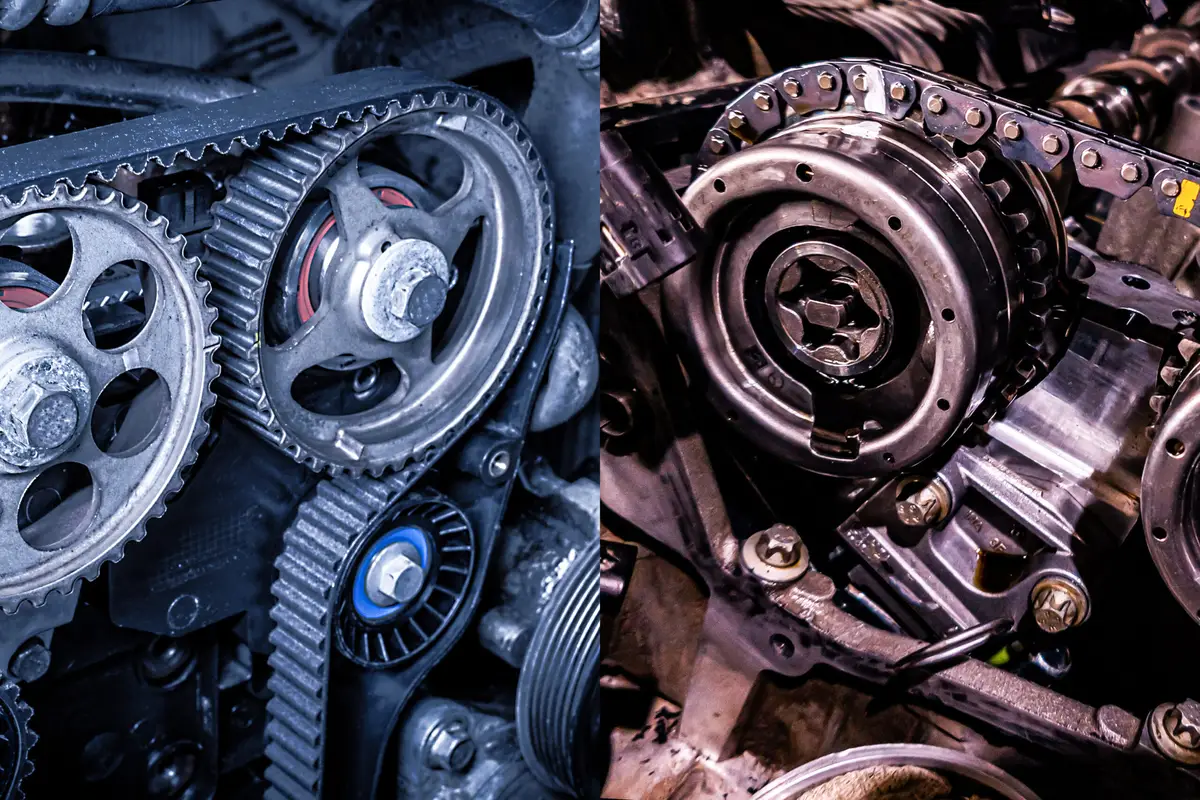
The dreaded timing belt. For many car owners, even the mention of it can induce a cold sweat. It's a critical component in many internal combustion engines, and a failure can lead to catastrophic (and expensive) engine damage. This article dives deep into the costs associated with timing belt replacement, covering everything from parts and labor to potential hidden expenses.
Understanding the Timing Belt's Role
Before we get into the nitty-gritty of costs, let's quickly review what a timing belt does. In a nutshell, it synchronizes the rotation of the crankshaft (which moves the pistons) and the camshaft(s) (which control the opening and closing of the valves). This precise timing is absolutely crucial for proper engine function. If the timing belt breaks, the valves can collide with the pistons, resulting in bent valves, damaged pistons, and potentially a ruined cylinder head. This is particularly true for interference engines, where the valves and pistons occupy the same space at different times during the engine cycle.
Factors Affecting Timing Belt Replacement Cost
Several factors influence the final bill for a timing belt replacement. These include:
- Vehicle Make and Model: Some vehicles are simply more complex to work on than others. Accessing the timing belt might require extensive disassembly, increasing labor time. European brands, for example, often have more intricate designs.
- Engine Type: A simple four-cylinder engine will generally be less expensive to service than a V6 or V8, due to the complexity and potentially the number of camshafts involved.
- Location: Labor rates vary significantly depending on your geographic location. Expect higher prices in major metropolitan areas compared to smaller towns.
- Shop Type: Dealerships typically charge higher labor rates than independent repair shops. However, dealerships often have specialized tools and expertise for specific makes and models.
- Parts Quality: You generally have a choice between OEM (Original Equipment Manufacturer) parts and aftermarket options. OEM parts are usually more expensive but are guaranteed to meet the manufacturer's specifications. Aftermarket parts can be a viable option, but it's crucial to choose reputable brands known for quality and durability.
- Additional Services: A smart mechanic will often recommend replacing other components that are easily accessible while the timing belt is being replaced. This could include the water pump (especially if it's driven by the timing belt), tensioners, idler pulleys, and even the camshaft seals and crankshaft seal. Replacing these components proactively can save you money in the long run by preventing future failures and avoiding redundant labor costs.
Cost Breakdown: Parts and Labor
Let's break down the typical costs:
- Timing Belt Kit: This typically includes the timing belt itself, tensioner(s), and idler pulley(s). Expect to pay anywhere from $50 to $300+ for a quality kit, depending on the vehicle.
- Water Pump (if applicable): If the water pump is driven by the timing belt, it's highly recommended to replace it simultaneously. Water pumps can cost between $50 and $200+.
- Labor: This is where the bulk of the cost usually lies. Labor rates can range from $75 to $150+ per hour, and the job can take anywhere from 3 to 8 hours, depending on the vehicle. This translates to a labor cost of $225 to $1200.
Therefore, a typical timing belt replacement can cost anywhere from $300 to $1500 or more. It's always a good idea to get quotes from multiple shops before committing to the repair.
Real-World Example
A 2012 Honda Accord with a 2.4L four-cylinder engine might have a timing belt replacement cost of around $400 to $700, including parts and labor. A more complex vehicle, such as a 2010 Audi A4 with a 2.0L turbocharged engine, could easily cost $800 to $1200 or even more, especially if the water pump and other components are included.
Preventive Maintenance: The Key to Saving Money
The best way to avoid a costly timing belt failure is to adhere to the manufacturer's recommended maintenance schedule. This information can be found in your owner's manual. Replacing the timing belt proactively at the recommended interval (usually between 60,000 and 100,000 miles) is far cheaper than repairing the damage caused by a broken belt. Remember to always use a reputable mechanic and quality parts to ensure a long-lasting and reliable repair. Ignoring the recommended service interval is a gamble that rarely pays off.
Hidden Costs and Red Flags
Be wary of extremely low quotes. They may indicate that the mechanic is cutting corners on parts or labor. Also, be prepared for potential "hidden costs" such as corroded bolts that need to be replaced or unexpected damage discovered during the repair. A reputable mechanic will communicate these issues to you before proceeding with the work.