
How Much Is It To Install A Trailer Hitch
So, you're looking to add a trailer hitch to your ride? Excellent! Towing opens up a whole new world of possibilities, from weekend camping trips to hauling equipment for those DIY projects. But before you hitch up and head out, let's talk about the cost. Installing a trailer hitch isn't always a straightforward process, and the price can vary significantly depending on several factors. I'm here to break it down for you, offering a clear picture of what to expect and how to make informed decisions.
Understanding the Factors Influencing Installation Costs
The total cost of installing a trailer hitch comprises two primary components: the hitch itself and the labor involved in the installation. Let's delve into each:
The Trailer Hitch: Type, Class, and Vehicle Compatibility
The hitch itself is the first, and often most variable, cost factor. Hitches are categorized into classes, which determine their towing capacity and receiver size. Here's a quick rundown:
- Class 1: Light-duty, typically for smaller cars. Towing capacity up to 2,000 lbs. Receiver size: 1 1/4 inch. Good for bike racks and light utility trailers.
- Class 2: Still light-duty, but with a slightly higher towing capacity, usually around 3,500 lbs. Receiver size: 1 1/4 inch.
- Class 3: Medium-duty, the most common type for SUVs and trucks. Towing capacity up to 8,000 lbs. Receiver size: 2 inch. Suitable for a wider range of trailers, including small campers and boat trailers.
- Class 4: Heavy-duty, for larger trucks and SUVs. Towing capacity up to 10,000 lbs. Receiver size: 2 inch or 2 1/2 inch.
- Class 5: Extra heavy-duty, for the biggest trucks and serious towing. Towing capacity exceeding 10,000 lbs. Receiver size: 2 inch or 2 1/2 inch.
The higher the class, the more robust the hitch needs to be, and consequently, the more it will cost. Prices can range from $100 for a basic Class 1 hitch to upwards of $500 or more for a Class 5 hitch.
Beyond the class, vehicle compatibility is crucial. Not all hitches fit all vehicles. You'll need to find a hitch specifically designed for your year, make, and model. Some vehicles have pre-drilled mounting points, making installation easier. Others might require drilling, which adds to the complexity and potential cost. Always double-check the Vehicle Identification Number (VIN) compatibility information provided by the hitch manufacturer or retailer.
Hitch brands also play a role in pricing. Reputable brands like Curt, Draw-Tite, and B&W often command a premium due to their quality, durability, and warranty. Cheaper, off-brand hitches might seem appealing, but they could compromise safety and longevity in the long run. Think of it as an investment in your safety and peace of mind.
Labor Costs: DIY vs. Professional Installation
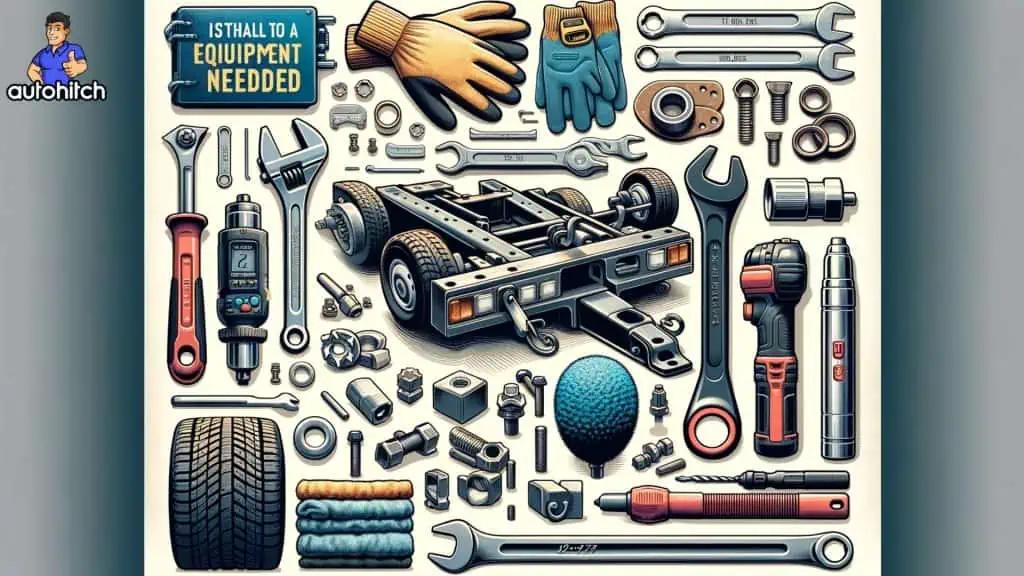
Here's where things can get interesting. If you're a confident DIYer, you might consider installing the hitch yourself. This can save you a significant amount on labor costs. However, it's essential to be realistic about your skills and the complexity of the installation. Some hitches are genuinely bolt-on, requiring only basic tools like a socket set and wrench. Others might require drilling, wiring for trailer lights, and even removing the bumper.
If you're tackling it yourself, factor in the cost of any tools you might need to purchase. A good torque wrench is essential to ensure the bolts are tightened to the manufacturer's specified torque. Over-tightening can damage the threads, while under-tightening can lead to the hitch coming loose during towing – both undesirable scenarios.
Professional installation costs vary depending on the shop's labor rate and the complexity of the job. Expect to pay anywhere from $100 to $500 or more for labor. The labor cost will typically be higher for vehicles that require extensive modifications or wiring. Some auto parts stores, like U-Haul, offer installation services, which can sometimes be more affordable than going to a dedicated mechanic.
Important: When getting quotes, ask for a breakdown of the labor cost. Understand what's included. Does it cover wiring the trailer lights? Does it include any necessary modifications to the bumper or exhaust system? A transparent quote is crucial to avoid surprises.
Wiring and Electrical Considerations
Don't forget about wiring! To legally tow a trailer, you'll need to connect the trailer lights to your vehicle's electrical system. This typically involves installing a 4-way flat connector (for basic lighting) or a 7-way round connector (for more advanced features like electric brakes). The complexity of the wiring depends on your vehicle and the trailer you plan to tow.
Some vehicles have pre-wired "tow packages," which makes the wiring process much simpler. Others might require tapping into the existing taillight wiring, which can be tricky and potentially damage your vehicle's electrical system if not done correctly. In some cases, you might need to install a trailer brake controller, especially for trailers with electric brakes. This adds to the cost but is essential for safe towing.
Wiring kits typically range from $20 to $100, depending on the complexity. Professional wiring installation can add another $50 to $200 to the overall cost.
Estimating the Total Cost: A Few Examples
To give you a better idea, let's look at a few hypothetical scenarios:
- Scenario 1: Installing a Class 3 hitch on a newer SUV with pre-drilled mounting points and a tow package. You opt for a mid-range Curt hitch and do the installation yourself.
- Hitch: $250
- Wiring Kit: $50
- Tools (if needed): $50 (torque wrench)
- Total: $350
- Scenario 2: Installing a Class 4 hitch on an older truck that requires drilling and custom wiring. You hire a professional mechanic.
- Hitch: $400
- Wiring Kit: $80
- Labor: $400
- Total: $880
- Scenario 3: Installing a Class 1 hitch on a small car primarily for a bike rack. You choose a basic Draw-Tite hitch and have U-Haul install it.
- Hitch: $150
- Installation: $150
- Total: $300
Tips for Saving Money
While safety should always be your top priority, there are ways to potentially save money on your trailer hitch installation:
- Shop Around: Get quotes from multiple mechanics and auto parts stores. Compare prices and ask for detailed breakdowns.
- Consider a Used Hitch: If you're on a tight budget, you might be able to find a used hitch in good condition. Just make sure it's the correct class and fit for your vehicle. Thoroughly inspect it for any signs of damage or wear.
- DIY (If You're Qualified): If you're comfortable working on your car, installing the hitch yourself can save you a significant amount on labor costs. But be honest about your skills and don't attempt it if you're not confident.
- Buy During Sales: Keep an eye out for sales and discounts on trailer hitches. Auto parts stores often have promotions, especially around holidays.
Conclusion
The cost of installing a trailer hitch can vary widely depending on the class of hitch, your vehicle, and whether you choose to DIY or hire a professional. By understanding the factors involved and doing your research, you can make an informed decision that fits your needs and budget. Remember to prioritize safety and choose a reputable brand and installer. Happy towing!