
How Much Is It To Replace A Wheel Bearing
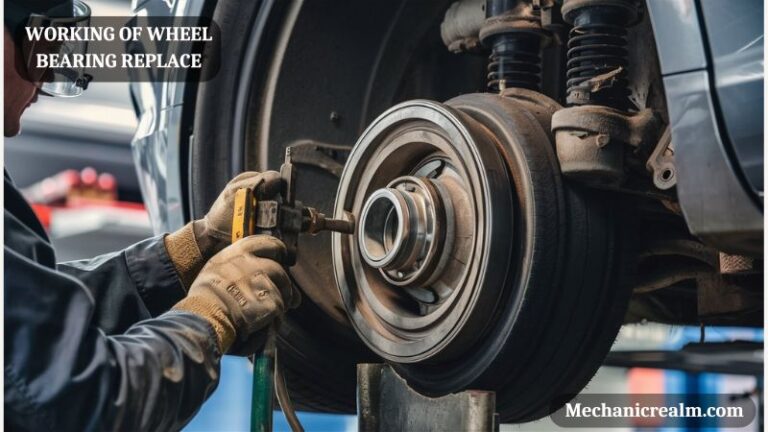
So, you're tackling a wheel bearing replacement? Good on you! It's a job that can save you a decent chunk of change if you're comfortable wrenching. But before you dive in, let's talk about the financial side of things. The cost to replace a wheel bearing can vary quite a bit depending on several factors. This article will break down those factors, giving you a clearer picture of what you can expect to pay, whether you're going the DIY route or having a professional handle it.
Factors Affecting Wheel Bearing Replacement Cost
The overall cost of replacing a wheel bearing hinges on a few key things:
- Vehicle Make and Model: This is a big one. A wheel bearing for a common sedan will almost certainly be cheaper than one for a high-performance sports car or a large truck. Some vehicles have integrated hub assemblies, which are more expensive than just replacing the bearing itself.
- Parts Quality: You'll typically have a choice between OEM (Original Equipment Manufacturer) parts, aftermarket brands, and even remanufactured options. OEM parts are usually the most expensive but guarantee fitment and are made to the original specifications of the vehicle. Aftermarket bearings can vary greatly in quality. Some are excellent and provide similar performance to OEM, while others are… less so. Remanufactured bearings are cheaper, but their lifespan can be unpredictable.
- Labor Costs: If you're paying a mechanic, labor will be a significant portion of the total bill. Labor rates vary widely based on location and the shop's hourly rate. Also, certain vehicles have notoriously difficult-to-reach wheel bearings, driving up the labor time.
- Location of the Bearing: Front and rear wheel bearings can differ in price and complexity. Rear bearings on some vehicles might require removing the entire axle, significantly increasing labor time if you’re not doing it yourself.
- The Need for Additional Repairs: Sometimes, replacing a wheel bearing might reveal other issues, like damaged hubs, worn ball joints, or damaged CV joints (on front-wheel-drive cars). These will add to the overall cost.
Breaking Down the Costs: Parts
Let's get into specifics. The wheel bearing itself is the primary part you'll be buying. Expect to pay anywhere from $30 to $200+ per bearing, depending on the factors mentioned above. A cheap, off-brand bearing might only cost $30, but its lifespan could be significantly shorter than a higher-quality one. An OEM bearing for a luxury vehicle could easily exceed $200. Consider the hub assembly too. If your vehicle uses a hub assembly, replacing the entire assembly is often recommended, especially if the bearing has been failing for a while, which could damage the hub. Hub assemblies can range from $80 to $400+, again depending on the vehicle and quality.
Beyond the bearing itself, consider these additional parts:
- Seals: These prevent contaminants from getting into the bearing. Always replace them. They're relatively inexpensive, usually a few dollars each.
- Cotter Pins/Lock Nuts: These secure the axle nut. Always use new ones; never reuse old ones. They're also inexpensive.
- Grease: You'll need to pack the new bearing with high-quality wheel bearing grease.
- Brake Components (Potentially): If the bearing has been failing for a while, it could have damaged the brake rotor or brake pads due to excessive heat and vibration. Inspect these carefully and replace if necessary.
Breaking Down the Costs: Labor
If you're paying a mechanic, labor is the largest variable. Labor rates typically range from $75 to $150+ per hour. A typical wheel bearing replacement can take anywhere from 1 to 3 hours per wheel, depending on the vehicle and the mechanic's experience. So, you could be looking at $75 to $450+ in labor per wheel. Get a written estimate before agreeing to any work. The estimate should clearly outline the parts being used, the labor rate, and the estimated labor time.
Important Note: Shops often charge a 'book rate' for labor. This is a standardized time estimate for a particular job, regardless of how long it actually takes the mechanic. This can sometimes be longer than the actual time spent, especially for experienced mechanics.
DIY vs. Professional: A Cost Comparison
Let's compare the costs of doing it yourself versus having a professional do it:
DIY:
- Parts: $30 - $200+ per bearing (plus seals, grease, etc.)
- Tools: If you don't already have them, you'll need tools like a socket set, wrenches, a torque wrench, a bearing press (or access to one), and potentially a slide hammer. Renting tools is an option to reduce upfront costs.
- Time: This is your biggest investment. Plan on several hours, especially if it's your first time.
Professional:
- Parts: Marked up from their cost (typically 10-30% markup)
- Labor: $75 - $150+ per hour
In total, a DIY job *could* cost as little as $50 (if you already have the tools and buy a cheap bearing) but could easily run you $300+ if you buy quality parts and need to purchase or rent tools. A professional job can easily range from $200 to $700+ per wheel, depending on the factors discussed earlier.
Tips for Saving Money on Wheel Bearing Replacement
Here are some tips to help you save money on wheel bearing replacement:
- Get Multiple Quotes: If you're using a mechanic, get quotes from several different shops to compare prices.
- Consider Aftermarket Parts: Research reputable aftermarket brands. Read reviews and ask for recommendations.
- DIY If You're Comfortable: If you're mechanically inclined and have the right tools, doing it yourself can save you a lot of money. However, be realistic about your skills and the complexity of the job.
- Rent Tools: If you don't have all the necessary tools, consider renting them instead of buying them.
- Address the Issue Early: Ignoring a bad wheel bearing can lead to more damage, potentially requiring more expensive repairs down the road. Listen for telltale signs like a humming or grinding noise that gets louder with speed.
Important Safety Note: Wheel bearing replacement involves working on your vehicle's braking and suspension systems. Always use proper safety precautions, including using jack stands, wearing safety glasses, and disconnecting the negative battery terminal before starting any work.
Conclusion
Replacing a wheel bearing can be a significant expense, but understanding the factors that influence the cost can help you make informed decisions. Whether you choose to tackle the job yourself or hire a professional, doing your research and planning ahead can save you money and ensure a successful repair.