
How Much Should Replacing Brake Pads Cost
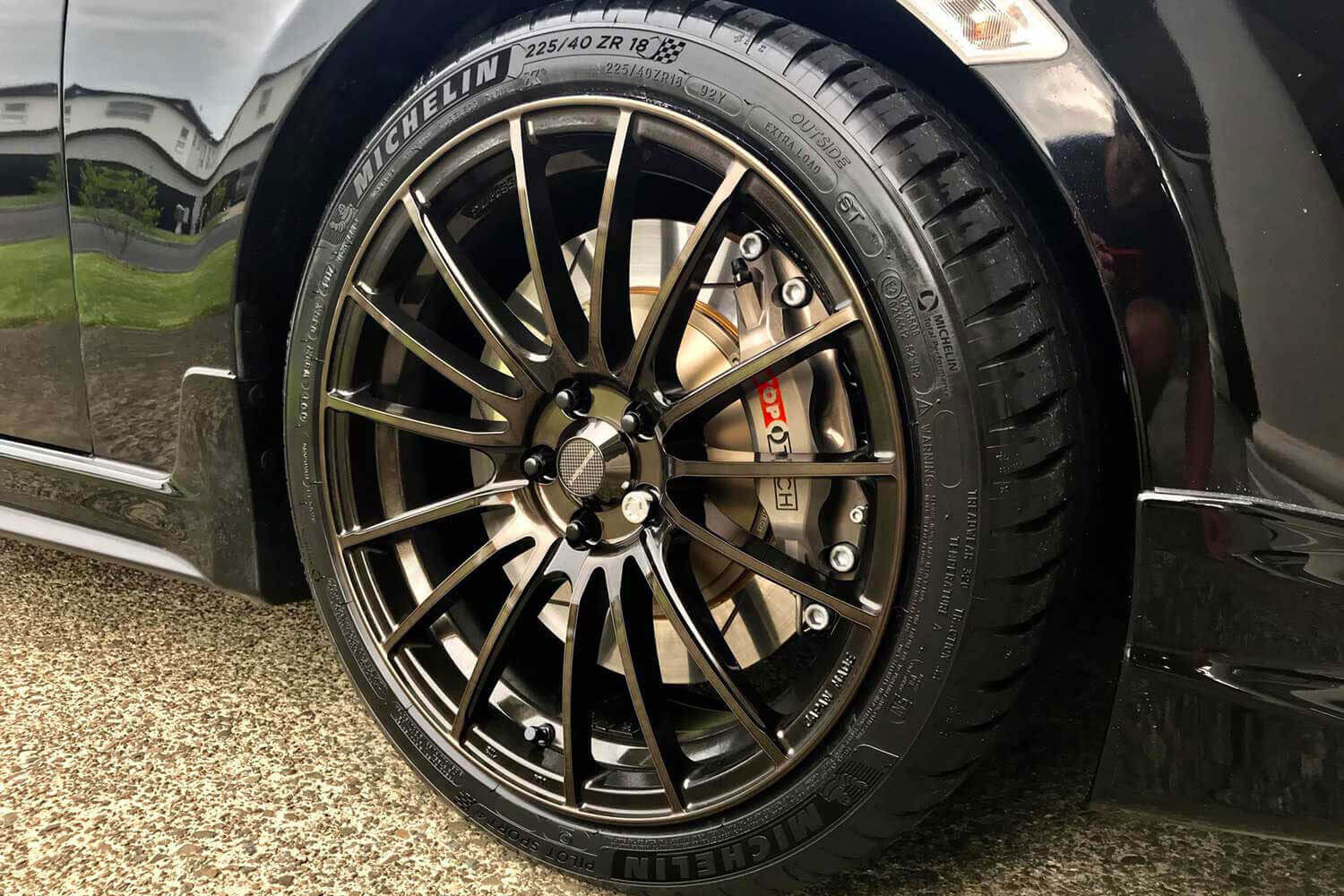
The age-old question: "How much will replacing my brake pads cost?" used to have a relatively straightforward answer. A few hundred dollars, maybe more for a high-performance vehicle. But in a rapidly evolving automotive landscape, that question is becoming increasingly nuanced, affected by everything from the rise of electric vehicles (EVs) to the integration of sophisticated sensor technologies.
The Shifting Sands of Brake Pad Replacement
Traditionally, brake pad replacement costs are driven by factors like the brand and quality of the pads themselves, the labor involved, and the geographic location of the repair shop. Premium pads, designed for enhanced performance or longevity, will naturally command a higher price. Labor costs vary widely, influenced by the mechanic's expertise and the shop's hourly rate. But now, we must consider new variables.
The proliferation of EVs and hybrids is a game-changer. These vehicles utilize regenerative braking, which uses the electric motor to slow the vehicle down, recapturing kinetic energy and storing it in the battery. This dramatically reduces the wear and tear on traditional friction brakes. Consequently, EV owners often experience significantly extended brake pad lifespans, potentially lasting twice or even three times as long as those in conventional gasoline-powered cars. This means less frequent replacements and, theoretically, lower overall maintenance costs related to braking. However, this benefit isn't without its complexities.
While EVs require fewer brake pad replacements, when they *do* need replacing, the cost can be surprising. Several factors contribute to this. Firstly, some EVs use specialized brake pads designed to work optimally with regenerative braking systems. These pads might be more expensive upfront. Secondly, the longer lifespan of the original pads can lead to corrosion and seizing of the brake components, requiring more extensive repairs beyond just the pads themselves. Imagine rotors that are rusted and require skimming or outright replacement after years of infrequent use. Finally, the specialized training required to work on EV braking systems can lead to higher labor costs at specialized service centers.
Smart Brakes and Sensor Integration
Beyond EVs, the integration of advanced driver-assistance systems (ADAS) is also influencing brake pad replacement costs. Many modern vehicles are equipped with sensors that monitor brake pad wear, providing early warnings to the driver. This allows for proactive maintenance, potentially preventing more significant and costly damage. However, these sensors themselves can add to the overall replacement cost, especially if they need to be recalibrated or replaced along with the pads.
Furthermore, the rise of "smart brakes," which integrate electronically controlled braking systems with ADAS features like automatic emergency braking (AEB), is adding another layer of complexity. While these systems enhance safety, they also require specialized diagnostic tools and expertise to service. In the future, we might see brake pad replacement becoming a more integrated service, involving software updates and recalibrations to ensure the braking system functions optimally with the vehicle's ADAS.
Challenges and Opportunities
The transition to electric and smarter vehicles presents both challenges and opportunities. The challenge lies in ensuring that consumers understand the evolving landscape of brake maintenance and are not caught off guard by potentially higher costs in certain scenarios. Transparency and clear communication from automotive manufacturers and service providers are crucial.
The opportunity lies in developing more durable and efficient braking systems that further minimize wear and tear, potentially extending pad lifespans even further. Innovations in brake pad materials, such as ceramic composites, could offer improved performance and longevity. Furthermore, advancements in regenerative braking technology could reduce the reliance on friction brakes even more, leading to significant cost savings over the vehicle's lifespan.
The Future of Braking: A Vision
Looking ahead, the future of braking is likely to be defined by a seamless integration of hardware and software. Imagine a braking system that is constantly monitored and optimized by artificial intelligence, predicting wear patterns and proactively adjusting regenerative braking to maximize efficiency and minimize the need for physical brake pad replacements. In this future, brake pad replacement might become a rare occurrence, more akin to replacing a filter or fluid in a conventional car today. The question of "How much will replacing my brake pads cost?" might eventually become, "How much will my braking system *optimization* service cost?". A future where mobility is not only electric and autonomous, but also incredibly efficient and sustainable. A future where braking is not just about stopping, but about intelligent energy management and predictive maintenance, ensuring a safer and more cost-effective driving experience for everyone. This is the direction we are headed, and the potential is truly transformative.