
How Much To Fix Small Crack In Windshield
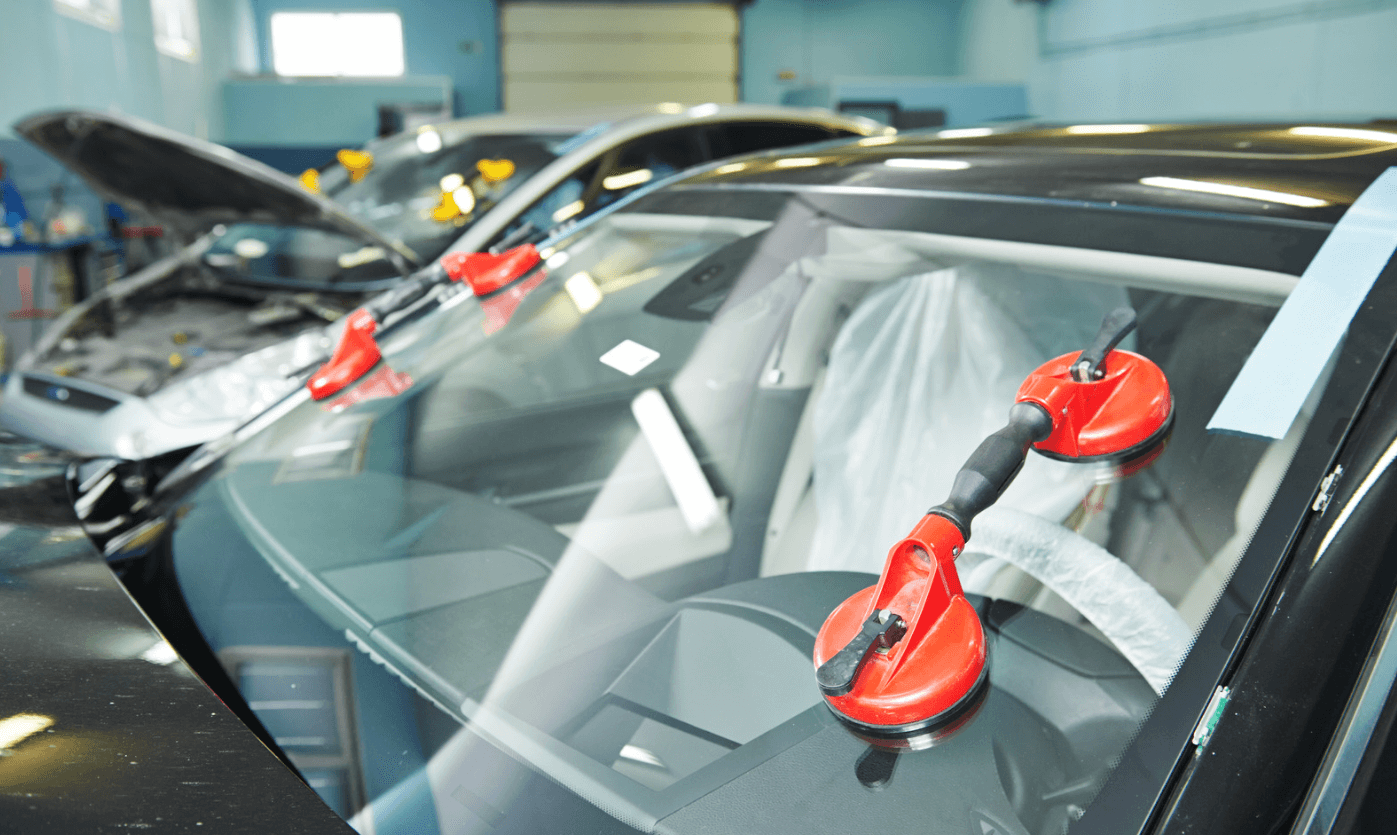
Determining the appropriate course of action for a small windshield crack involves a nuanced understanding of materials science, structural integrity, and cost-benefit analysis. The decision between repair and replacement hinges on several factors, including the size, location, and type of crack, as well as the vehicle's safety features and insurance coverage. This article delves into the technical aspects of windshield repair, contrasting it with replacement and providing insights for automotive professionals.
Understanding Windshield Construction and Crack Propagation
Modern windshields are typically constructed of laminated glass, comprising two layers of glass bonded together by a polyvinyl butyral (PVB) interlayer. This PVB layer is crucial for maintaining structural integrity in the event of a crack or impact. It prevents shattering and holds the glass fragments together, enhancing passenger safety. Cracks initiate when stress exceeds the material's tensile strength, often at a pre-existing flaw or point of impact. Factors like temperature fluctuations and road vibrations can exacerbate crack propagation.
Windshield Repair: The Technical Process
Windshield repair aims to restore the structural integrity and optical clarity of the damaged area. The process typically involves the following steps:
- Assessment: Evaluating the size, location, and type of crack is the first crucial step. Repairs are generally suitable for cracks smaller than 6 inches and chips less than 1 inch in diameter, and those that don't obstruct the driver's view.
- Cleaning: The damaged area is thoroughly cleaned to remove any debris or contaminants.
- Resin Injection: A specialized acrylic resin, formulated to match the refractive index of the glass, is injected into the crack using a vacuum and pressure system. This ensures complete filling and bonding. The viscosity of the resin is a critical factor, influencing its ability to penetrate narrow cracks.
- Curing: The resin is cured using ultraviolet (UV) light. This process polymerizes the resin, hardening it and bonding it to the glass.
- Polishing: The surface is polished to restore optical clarity and remove any excess resin.
Repair vs. Replacement: A Comparative Analysis
The decision between repair and replacement requires careful consideration of various factors:
Repair:
- Pros:
- Cost-effective: Repair is significantly cheaper than replacement.
- Time-efficient: Repairs can be completed within 30-60 minutes.
- Environmentally friendly: Repair reduces the need for disposal of damaged windshields.
- Original Equipment Manufacturer (OEM) Glass Retention: Maintains the original factory seal and glass, preserving the vehicle's structural integrity to the greatest extent possible.
- Cons:
- Limited applicability: Repair is only suitable for small cracks and chips.
- Aesthetic imperfections: The repaired area may still be visible, though significantly improved.
- Potential for re-cracking: While rare, stress concentrations can lead to crack propagation from the repaired area, especially under extreme temperature variations.
Replacement:
- Pros:
- Complete restoration: Provides a pristine, undamaged windshield.
- Suitable for all types of damage: Can address extensive cracks, chips, and structural damage.
- Cons:
- Higher cost: Replacement is considerably more expensive than repair.
- Time-consuming: Replacement typically takes several hours.
- Potential for imperfect installation: Improper installation can lead to leaks, wind noise, and compromised safety. Using experienced and certified technicians is crucial.
- Impact on Advanced Driver-Assistance Systems (ADAS): Replacement often requires recalibration of ADAS sensors, adding to the cost and complexity. OEM-specified adhesives and procedures are critical for proper sensor function.
Reliability and Maintenance
A professionally repaired windshield offers good reliability, provided the repair is performed correctly and the initial damage is within acceptable parameters. Regular visual inspections are recommended to monitor the repaired area for any signs of re-cracking. Avoiding extreme temperature fluctuations and rough road conditions can help prolong the life of the repair. For windshield replacements, ensure proper adhesive curing time is followed before driving the vehicle, usually a minimum of one hour but can be longer depending on the adhesive type used and the temperature conditions.
Future Trends in Windshield Technology
Windshield technology is continuously evolving. Future trends include:
- Heated windshields: For defrosting and de-icing.
- Heads-up displays (HUD): Projecting information onto the windshield.
- Acoustic windshields: Reducing road noise.
- Smart windshields: Automatically adjusting tint based on sunlight.
- Integrated sensors: Housing ADAS sensors within the windshield. These integrated sensors require careful handling and specialized recalibration equipment during replacement.
The Automotive Industry: A Forward-Looking Note
The automotive industry is undergoing a rapid transformation, driven by technological advancements and evolving consumer demands. The increasing integration of ADAS and other safety features highlights the importance of precision and expertise in windshield repair and replacement. Automotive professionals must stay abreast of these developments to provide safe and reliable service. The use of appropriate tools, high-quality materials, and adherence to manufacturer specifications are essential for ensuring the safety and performance of modern vehicles. Furthermore, sustainability is becoming an increasingly important consideration. Promoting windshield repair as a cost-effective and environmentally friendly alternative to replacement will be crucial for the future of the automotive industry. Proper disposal and recycling of windshields also are very important.