
How Much To Install Automatic Car Starter
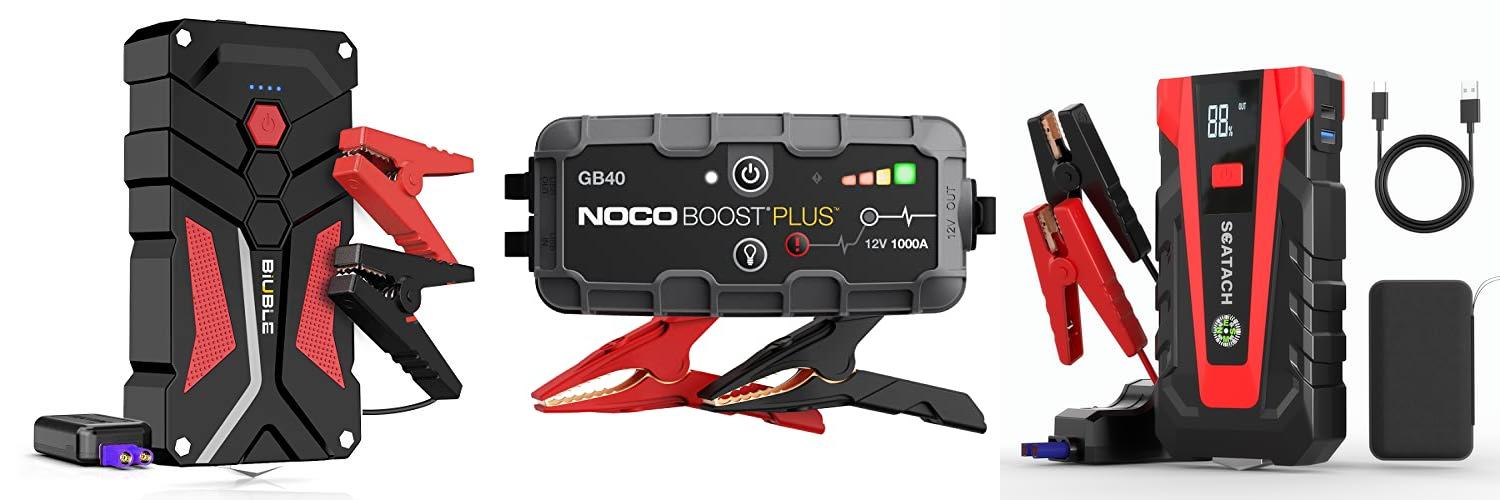
The installation of an automatic car starter, also known as a remote starter, is a increasingly popular aftermarket upgrade. Determining the "how much" to install isn't a simple figure, as it depends on a complex interplay of factors including vehicle make and model, starter system complexity, and labor costs. For automotive professionals, a deep understanding of these elements is critical for accurate estimations and providing quality service.
Technical Specifications and System Types
Automatic car starters, at their core, consist of a control module, wiring harness, and potentially additional components like bypass modules for vehicles with advanced security systems. There are primarily two types:
- One-Way Systems: These offer basic remote start functionality. The user presses a button on the remote transmitter, and the vehicle starts. Feedback is limited, typically indicated by a flashing light on the remote. Reliability is generally high due to their simplicity.
- Two-Way Systems: These provide real-time feedback to the remote, confirming the start command's success, displaying vehicle temperature, and even alerting the user to issues like an open door or triggered alarm. These systems require more sophisticated wiring and communication protocols, potentially increasing complexity and the installation time.
Beyond the basic communication method, starters vary in range (determined by transmitter power and antenna design) and the types of features supported. Some advanced systems integrate with smartphone apps, offering unlimited range and features like GPS tracking and vehicle diagnostics. The choice of system depends heavily on the customer's needs and budget.
Engineering Choices and Vehicle Compatibility
A significant factor affecting installation cost is vehicle compatibility. Modern vehicles feature complex electronic architectures including CAN bus systems, immobilizers, and advanced security protocols. Installing a remote starter often requires integrating with these systems without compromising their functionality. This is where a bypass module comes into play.
Bypass modules are designed to temporarily circumvent the vehicle's immobilizer during remote start, allowing the engine to start without the key present. Different vehicles require different bypass modules, and some may necessitate more intricate programming. Choosing the correct bypass module is crucial for proper operation and avoiding potential electrical issues. Incorrect installation can lead to system malfunctions, voided warranties, and even damage to the vehicle's electrical system. Automotive professionals need to consult manufacturer compatibility charts and utilize professional-grade diagnostic tools to ensure proper integration.
Real-World Performance and Alternatives
The real-world performance of an automatic car starter hinges on the quality of installation. A properly installed system should start the vehicle reliably in various weather conditions, maintain a stable idle, and seamlessly integrate with the vehicle's existing systems. Conversely, a poorly installed system may exhibit erratic behavior, trigger false alarms, or even drain the battery.
Alternatives to traditional aftermarket remote starters include factory-installed systems (where available) and aftermarket systems installed by dealerships. Factory systems typically offer seamless integration and warranty coverage, but may lack the advanced features found in some aftermarket options. Dealer-installed aftermarket systems provide a balance between integration and features, but may be more expensive than independent installations.
Pros and Cons
Pros of Aftermarket Automatic Starters:
- Convenience: Pre-heating or cooling the vehicle before entering.
- Cost-Effectiveness: Often more affordable than factory options.
- Customization: Wide range of features and options to choose from.
Cons of Aftermarket Automatic Starters:
- Installation Complexity: Requires skilled technicians and specialized tools.
- Potential Warranty Issues: Improper installation can void vehicle warranties.
- Reliability Concerns: Quality varies depending on the system and installation.
Reliability Aspects and Maintenance Tips
The reliability of an automatic car starter depends on several factors including the quality of the components, the installation procedure, and the environmental conditions. To maximize reliability, automotive professionals should use high-quality systems from reputable manufacturers and follow industry best practices for installation. It is essential to thoroughly test the system after installation and provide clear instructions to the customer on proper operation and maintenance.
Maintenance Tips:
- Periodically check the remote transmitter battery.
- Inspect the wiring harness for damage or corrosion.
- Avoid excessive use of the remote start function, especially in cold weather.
Future Trends
The future of automatic car starters is closely linked to the evolution of automotive technology. We can expect increased integration with smartphone apps, enhanced security features, and greater compatibility with electric vehicles. Furthermore, as vehicles become more connected, remote starters may integrate with other smart home devices and services, creating a seamless and personalized experience. Over-the-air updates may become common, enabling manufacturers to add new features and improve system performance remotely.
Forward-Looking Note
The automotive industry is rapidly transforming, driven by advances in electric vehicles, autonomous driving, and connected car technologies. Automatic car starters, while seemingly simple devices, play a role in enhancing the overall driving experience and meeting evolving consumer needs. As automotive professionals, staying informed about the latest technological advancements and adapting to changing market demands is crucial for continued success. Embracing new technologies and providing exceptional service will be key to thriving in the dynamic automotive landscape.