
How Much To Repair Air Conditioner In Car
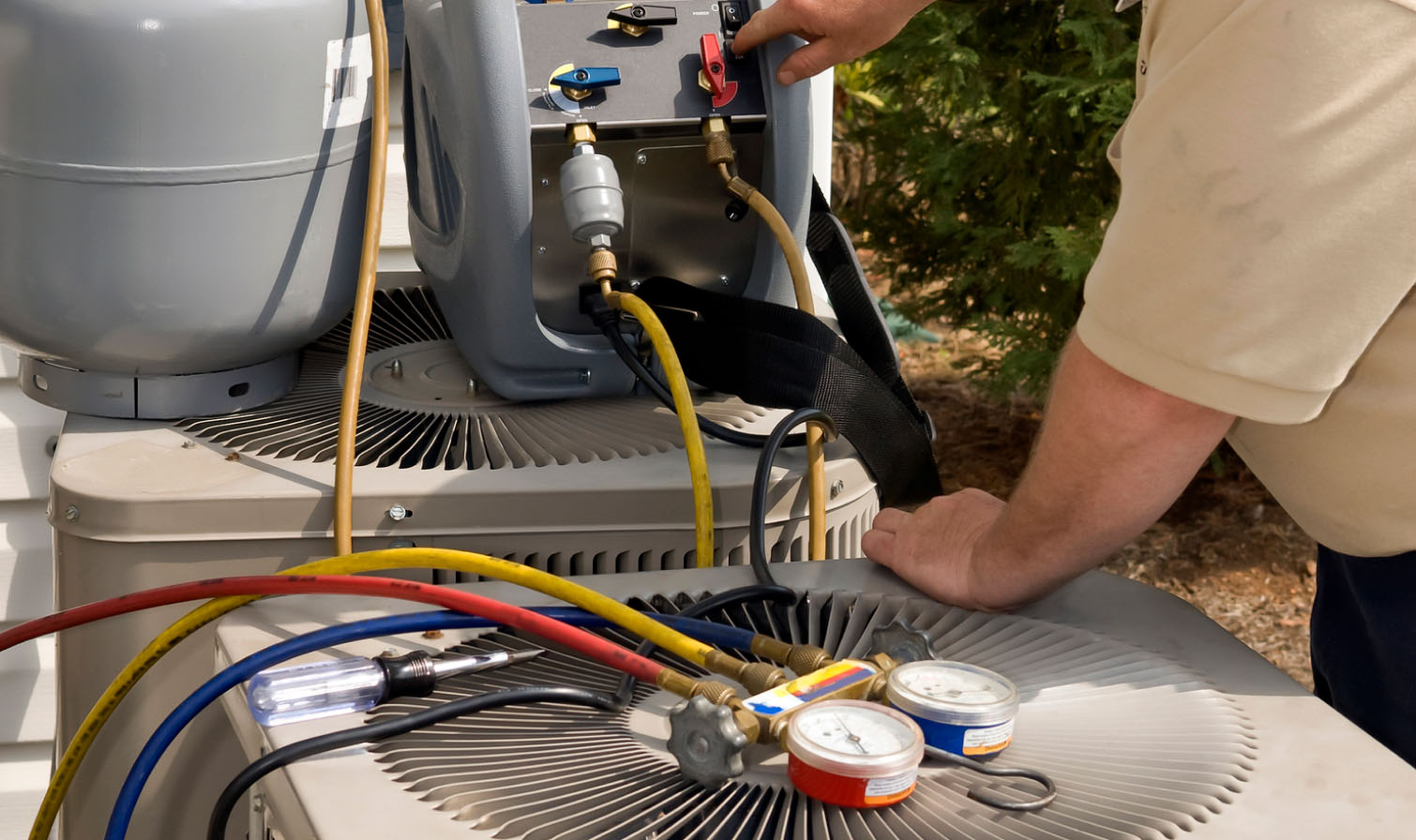
Few things are more frustrating than a car's air conditioning system failing, especially during the summer months. Understanding the potential costs involved in repairing your car's AC can help you prepare financially and make informed decisions about the best course of action. The price to fix an air conditioner in a car varies widely based on several factors, including the make and model, the extent of the damage, and the labor rates in your area.
Understanding the Car AC System
Before delving into repair costs, it’s helpful to understand the basic components of a car's AC system. These components work together to cool the air entering your vehicle.
- Compressor: This is the heart of the system. It compresses the refrigerant, increasing its temperature and pressure. Think of it as the pump that circulates the refrigerant. A failing compressor is often a major expense.
- Condenser: Located in front of the radiator, the condenser cools the high-pressure refrigerant, turning it into a liquid. It resembles a small radiator.
- Expansion Valve/Orifice Tube: This component reduces the pressure of the liquid refrigerant before it enters the evaporator. This pressure drop causes the refrigerant to become very cold. Some cars, like older Ford Mustangs, use an orifice tube, while newer vehicles, such as BMW 3 Series models, often use an expansion valve.
- Evaporator: Situated inside the dashboard, the evaporator is where the cold refrigerant absorbs heat from the air blowing into the cabin. This is where the actual cooling takes place.
- Refrigerant: The lifeblood of the system, refrigerant absorbs and releases heat as it cycles through the components. Older vehicles used R-12 refrigerant, which is now phased out. Modern cars use R-134a or the newer R-1234yf.
- Receiver Drier/Accumulator: This component filters the refrigerant and removes moisture. It's a crucial element in keeping the system running efficiently.
Factors Affecting AC Repair Costs
Several factors influence the overall cost of repairing your car's AC system:
The Type of Problem
The nature of the AC problem is the most significant determinant of cost. A simple refrigerant recharge will be far less expensive than replacing a faulty compressor. Here’s a breakdown of some common issues and their potential costs:
- Refrigerant Leak: A common problem where the refrigerant leaks out of the system. Finding and fixing the leak is crucial before recharging. The cost can range from $150 to $800+, depending on the location and complexity of the leak. For instance, a leak in a hose might be a relatively inexpensive fix, whereas a leak in the evaporator (which requires dashboard removal) can be very costly.
- Compressor Failure: A faulty compressor can lead to significant repairs. A new compressor, including labor, can range from $500 to $1500+. High-end vehicles, like Mercedes-Benz C-Class, can easily exceed this range due to the cost of the compressor itself and the complexity of the system.
- Condenser Damage: If the condenser is damaged (often from road debris), it needs replacement. The cost can be between $300 and $800+, including labor.
- Expansion Valve/Orifice Tube Issues: A clogged or malfunctioning expansion valve or orifice tube can restrict refrigerant flow. Replacement costs typically range from $100 to $400, including labor.
- Electrical Problems: Issues with wiring, fuses, or relays can prevent the AC system from functioning. Diagnosis and repair can range from $50 to $300, depending on the complexity of the electrical problem.
- Clogged Cabin Air Filter: While not directly an AC repair, a clogged cabin air filter restricts airflow and reduces the efficiency of the AC system. Replacing the cabin air filter is a simple and inexpensive fix, typically costing between $20 and $50.
Make and Model of the Car
The make and model of your car greatly impact the cost of AC repair. Luxury and high-performance vehicles generally have more expensive parts and more complex systems, resulting in higher repair costs. For example:
- Luxury Cars (BMW, Mercedes-Benz, Audi): These vehicles often have sophisticated AC systems with more sensors and electronically controlled components. Parts are typically more expensive, and labor can also be higher due to the increased complexity.
- Domestic Cars (Ford, Chevrolet, Dodge): Parts are usually more readily available and less expensive compared to luxury brands. Labor costs might also be slightly lower.
- Japanese Cars (Toyota, Honda, Nissan): Known for their reliability, these cars often have simpler AC systems, leading to potentially lower repair costs.
Labor Costs
Labor costs vary significantly depending on the location and the specific repair shop. Dealerships generally have higher labor rates compared to independent shops. The complexity of the repair also affects labor costs. Replacing an evaporator, for example, requires removing the entire dashboard, which is a time-consuming and labor-intensive process. Expect labor rates to range from $80 to $150+ per hour.
Type of Repair Shop
Where you choose to get your car fixed can impact the price.
Dealerships: Typically offer the highest level of expertise and use genuine OEM (Original Equipment Manufacturer) parts. However, their labor rates are usually higher.
Independent Repair Shops: Often provide a balance of quality and affordability. They may use aftermarket parts, which can be less expensive than OEM parts.
Chain Auto Repair Shops: Offer consistent service and often have competitive pricing. However, the quality of service can vary.Choosing the right repair shop depends on your budget, the complexity of the repair, and your preference for OEM versus aftermarket parts.
Estimating the Cost of Repair
To get a better understanding of potential repair costs, let's look at some specific scenarios:
Scenario 1: Refrigerant Recharge
If your AC is blowing warm air but the compressor is engaging, you might just need a refrigerant recharge. A recharge typically costs between $100 and $300, depending on the type of refrigerant and the shop's labor rates. However, it's crucial to find and fix any leaks before recharging the system, or the refrigerant will simply leak out again.
Scenario 2: Compressor Replacement
A failing compressor is a major repair. For a Honda Civic, a new compressor, including labor, might cost between $600 and $1000. For a BMW X5, the cost could easily exceed $1200 due to the higher cost of the compressor and the complexity of the system. If metal shavings are found in the system, it is wise to flush the AC system and replace the receiver/drier and expansion valve/orifice tube to prevent future compressor failures.
Scenario 3: Evaporator Replacement
Replacing the evaporator is one of the most labor-intensive AC repairs, as it requires removing the entire dashboard. For a Chevrolet Silverado, this could cost between $800 and $1500, including parts and labor. Luxury vehicles may cost even more due to the complexity of the dashboard and the potential for additional sensors and wiring.
DIY AC Repair: Proceed with Caution
While some car enthusiasts may be tempted to tackle AC repairs themselves, it's important to proceed with caution. Working with refrigerant requires specialized tools and knowledge. Improper handling of refrigerant can be harmful to the environment and can also damage the AC system. There are also safety considerations as refrigerants are under pressure.
Simple tasks like replacing the cabin air filter or cleaning the condenser fins can be done at home. However, more complex repairs, such as replacing the compressor or evaporator, are best left to qualified technicians.
Practical Takeaways
Here are some practical takeaways to help you manage your car's AC repairs:
- Get Multiple Quotes: Before committing to any repairs, get quotes from at least three different repair shops. This will give you a better idea of the average cost in your area.
- Ask About OEM vs. Aftermarket Parts: Discuss the pros and cons of using OEM versus aftermarket parts with the technician. Aftermarket parts can be less expensive, but OEM parts are generally considered to be of higher quality.
- Inquire About Warranty: Make sure the repair shop offers a warranty on their work and the parts they use. This can protect you in case of future problems.
- Preventative Maintenance: Regularly inspect and maintain your AC system to prevent costly repairs. This includes replacing the cabin air filter, checking the refrigerant level, and cleaning the condenser fins.
- Recognize the Symptoms: Early detection of AC problems can prevent them from escalating. If you notice that your AC is blowing warm air, making strange noises, or emitting unusual odors, take it to a qualified technician for diagnosis.
- Do not vent refrigerant into the atmosphere. It is illegal and harmful to the environment. Refrigerant should only be handled by qualified technicians with the proper equipment.
By understanding the components of your car's AC system, the factors that influence repair costs, and the importance of preventative maintenance, you can make informed decisions and keep your car's AC running smoothly for years to come.