
How Much To Replace Wheel Bearings On Car
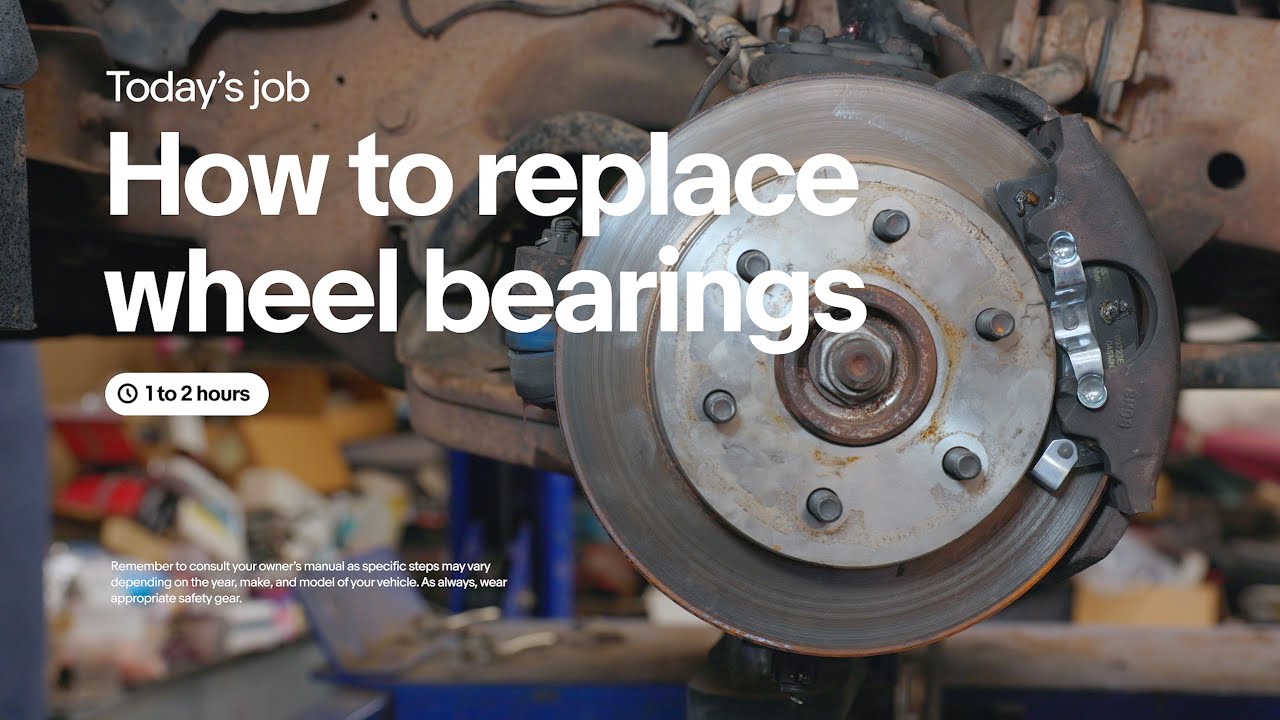
Wheel bearings are crucial components that allow your wheels to rotate smoothly and quietly. When they fail, the consequences can range from annoying noises to potentially dangerous situations. Understanding the costs associated with wheel bearing replacement is essential for both preventative maintenance and addressing unexpected breakdowns. This article provides a comprehensive look at the factors influencing wheel bearing replacement costs, empowering you with the knowledge to make informed decisions.
Factors Influencing Wheel Bearing Replacement Costs
Several variables contribute to the overall cost of replacing wheel bearings. These include:
- Vehicle Make and Model: Luxury vehicles or those with complex suspension systems often have more expensive parts and require specialized labor. Certain European brands, like BMW or Mercedes-Benz, can command higher prices for both parts and labor compared to more common domestic models.
- Location of the Bearing: Front wheel bearings and rear wheel bearings can differ in price and labor requirements. Rear wheel bearings on vehicles with rear-wheel drive or all-wheel drive may be integrated with the hub assembly, increasing the part cost.
- Type of Bearing: There are primarily two types of wheel bearings: ball bearings and tapered roller bearings. Ball bearings are typically less expensive, while tapered roller bearings, often found in heavier-duty applications, can be more costly. Furthermore, some vehicles utilize hub assemblies, where the bearing is integrated into the hub. Replacing the entire hub assembly is often recommended, especially if the bearing has been failing for a while, potentially damaging the hub itself.
- Labor Rates: Labor costs vary significantly based on your geographic location and the specific shop. Dealerships tend to have higher labor rates compared to independent repair shops.
- Parts Quality: Opting for high-quality, reputable brands for replacement bearings is crucial for longevity and performance. While cheaper aftermarket options exist, they often have a shorter lifespan and may not meet the original equipment manufacturer (OEM) standards. SKF, Timken, and FAG are well-regarded brands known for their quality.
- Associated Repairs: In some cases, other components may need to be replaced along with the wheel bearing. For example, if the bearing failure has caused damage to the CV axle (on front-wheel-drive vehicles) or the hub itself, these parts will also need to be replaced, increasing the overall cost.
Cost Breakdown: Parts and Labor
Let's break down the estimated costs for parts and labor. Keep in mind these are general estimates and can vary.
Parts:
- Individual Wheel Bearing: $30 - $200 per bearing (depending on make, model, and type)
- Hub Assembly: $100 - $400 per assembly
Labor:
- Standard Replacement: $150 - $400 per wheel (this can vary depending on the complexity of the job. Front wheel bearings on a simple strut suspension are generally less labor-intensive than rear bearings on an independent suspension).
Therefore, a single wheel bearing replacement can range from $180 to $600 or more, depending on the factors mentioned above. Replacing both wheel bearings on the same axle is generally recommended to ensure even wear and braking performance. This would roughly double the cost.
DIY vs. Professional Installation
While it's tempting to save money by replacing wheel bearings yourself, it's a task that requires specialized tools and a good understanding of automotive mechanics. Improper installation can lead to premature bearing failure or even dangerous driving conditions. Key tools often needed include a bearing press, torque wrench, and proper safety equipment. If you are not comfortable with automotive repairs, it's best to leave this job to a qualified mechanic.
Recognizing the Symptoms of a Failing Wheel Bearing
Early detection of a failing wheel bearing can prevent more extensive damage and potentially save you money in the long run. Common symptoms include:
- Grinding or humming noise: This noise typically increases with speed and may change when turning.
- Play in the wheel: If you jack up the vehicle and try to wiggle the wheel, excessive play may indicate a worn bearing.
- Vibration: A vibrating steering wheel or seat can also be a sign of a failing wheel bearing.
- Uneven tire wear: Although other factors can cause uneven tire wear, a failing wheel bearing can contribute to it.
- ABS light activation: In some cases, a faulty wheel bearing can interfere with the ABS sensor, triggering the ABS warning light.
Preventative Maintenance
While wheel bearing failure is often unavoidable, proper maintenance can help extend their lifespan. Regular inspections for play and noise, along with ensuring proper wheel alignment, can help prevent premature wear. Also, avoid driving through deep water, which can contaminate the bearing grease and lead to corrosion.
In conclusion, understanding the costs associated with wheel bearing replacement involves considering various factors, from the type of vehicle to the quality of parts. By being informed and proactive, you can ensure your vehicle's wheels continue to turn smoothly and safely.