
How Much Will A Rebuilt Transmission Cost
The smooth, almost imperceptible gear changes of a modern automatic transmission are a marvel of engineering. Inside that seemingly simple box lies a complex system of gears, clutches, bands, valves, and solenoids, all orchestrated by a sophisticated computer. When that orchestra falls out of tune, and the transmission begins to slip, shudder, or refuse to shift altogether, the question inevitably arises: How much will it cost to fix?
While a new transmission is an option, rebuilding your existing unit is often a more cost-effective solution. However, the price of a rebuilt transmission can vary dramatically based on several factors. Understanding these factors is key to getting a fair price and ensuring the job is done right.
Understanding Transmission Rebuilding
Before diving into cost specifics, let's define what a "rebuilt" transmission actually entails. A proper rebuild is more than just slapping in a few new parts. It involves a complete disassembly of the transmission, a thorough cleaning of all components, a careful inspection for wear and damage, and the replacement of any worn or damaged parts with new or remanufactured components. Finally, the transmission is reassembled, tested, and adjusted to meet the original manufacturer's specifications.
A quality rebuild includes replacing wearable items like:
- Clutch plates
- Steel plates
- Seals and gaskets
- Filters
- Bands (in some automatic transmissions)
- Possibly the torque converter
Crucially, a reputable rebuilder will also address any known issues with the specific transmission model being rebuilt. This might involve upgrading certain components to prevent future failures. For example, a known weakness in a particular valve body could be addressed with an updated valve design.
Factors Influencing the Cost of a Rebuilt Transmission
The final bill for a rebuilt transmission hinges on several interrelated factors:
1. Vehicle Make and Model
The complexity and rarity of your vehicle directly impact the cost. A transmission from a common domestic vehicle will generally be less expensive to rebuild than one from a rare import or a high-performance sports car. Parts availability is a key factor here. The more readily available parts are, the lower the cost.
The type of transmission also matters. Simple, older automatic transmissions are typically less expensive to rebuild than modern multi-speed automatics or continuously variable transmissions (CVTs), which have more complex internal components and require specialized tools and expertise.
2. Transmission Type (Automatic vs. Manual)
Generally speaking, rebuilding an automatic transmission is more expensive than rebuilding a manual transmission. Automatic transmissions have significantly more parts and a more complex design. The hydraulic system, valve body, and electronic controls add layers of complexity and potential failure points.
Manual transmissions, while still complex in their own right, are more mechanically straightforward. They typically involve fewer parts replacements during a rebuild, mainly focusing on bearings, synchronizers, and occasionally gears.
3. Parts Costs
The cost of replacement parts is a significant component of the overall price. High-quality, brand-name parts will cost more than generic or aftermarket alternatives. While saving money on parts might seem tempting, it's generally advisable to opt for quality components from reputable suppliers. This will help ensure the longevity and reliability of the rebuilt transmission.
The extent of the damage to the original transmission also plays a role. If major components, such as the transmission case or valve body, are damaged beyond repair, they will need to be replaced, adding to the overall cost.
4. Labor Costs
Labor costs vary depending on the geographic location, the shop's hourly rate, and the complexity of the rebuild process. Highly skilled technicians with specialized training will command higher hourly rates. However, their expertise can often save you money in the long run by ensuring the job is done correctly the first time.
The amount of time required to remove and reinstall the transmission also affects labor costs. Some vehicles have transmissions that are relatively easy to access, while others require extensive disassembly of other components to gain access.
5. Shop Reputation and Warranty
Choosing a reputable shop with experienced technicians is crucial. A shop with a good reputation will likely charge more, but they are also more likely to provide quality workmanship and stand behind their work. Look for shops that offer a solid warranty on their rebuilt transmissions. A warranty protects you against defects in materials or workmanship and provides peace of mind.
Do not underestimate the value of a comprehensive warranty! A short warranty (less than a year) might be a red flag, suggesting the shop isn't fully confident in its rebuilds.
6. Additional Services
In addition to the rebuild itself, you may need to factor in the cost of related services, such as:
- Torque converter replacement: Often recommended during a transmission rebuild.
- Transmission cooler flushing: To remove debris and contaminants.
- Fluid replacement: Using the correct type of transmission fluid is critical.
- Diagnostic testing: To identify the root cause of the transmission problem.
Cost Estimates: A Range of Possibilities
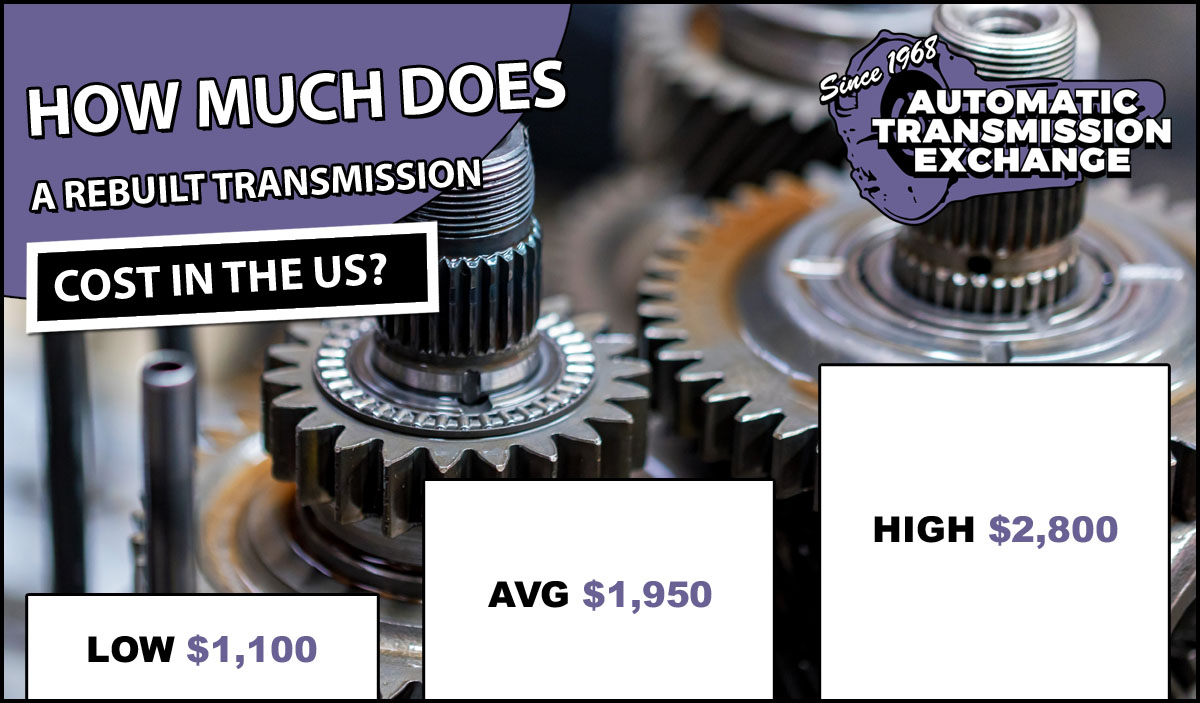
Given the numerous variables involved, providing a precise cost estimate without inspecting the vehicle is impossible. However, here are some general ranges to give you an idea of what to expect:
- Basic Rebuild (Common Domestic Vehicle, Simple Automatic Transmission): $1,500 - $3,000
- Intermediate Rebuild (Import Vehicle, More Complex Automatic Transmission): $2,500 - $4,500
- Advanced Rebuild (High-Performance Vehicle, CVT, or Complex Transmission): $4,000+
These estimates include parts, labor, and a basic warranty. Remember that these are just rough guidelines, and the actual cost could be higher or lower depending on your specific situation. Always get multiple quotes from reputable shops and be sure to ask for a detailed breakdown of the costs.
Questions to Ask Before Committing to a Rebuild
Before authorizing a transmission rebuild, ask the shop the following questions:
- What is the total cost of the rebuild, including parts, labor, and any related services?
- What is included in the rebuild (e.g., what parts will be replaced)?
- What is the warranty on the rebuilt transmission?
- Will you be using new, remanufactured, or used parts?
- Do you have experience rebuilding transmissions of this type?
- Can you provide references from previous customers?
The Bottom Line
Rebuilding a transmission is a significant investment. By understanding the factors that influence the cost and asking the right questions, you can make an informed decision and ensure you get a quality rebuild at a fair price. Don't be afraid to shop around and get multiple quotes before committing to a particular shop. A little research and due diligence can save you money and headaches in the long run. Ultimately, the peace of mind knowing that your transmission is rebuilt to a high standard is worth the effort.