
How Much Will A Transmission Rebuild Cost
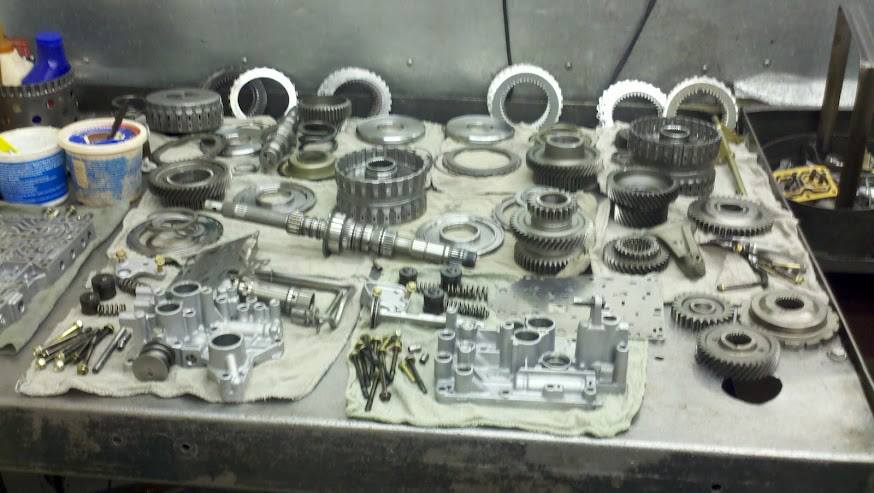
So, you're facing a transmission rebuild. That's a significant undertaking, but with the right knowledge and approach, you can navigate the process intelligently and avoid getting taken for a ride. Estimating the cost of a transmission rebuild isn't an exact science; it's more of an art informed by experience and careful evaluation. This article will break down the factors influencing the final price, from parts to labor, so you can make an informed decision.
Understanding the Scope of a Transmission Rebuild
First, let's define what we mean by a "rebuild." A rebuild isn't just a simple fix; it's a comprehensive overhaul of the transmission. It typically involves disassembling the entire unit, inspecting all components, replacing worn or damaged parts, and reassembling it to factory or better-than-factory specifications. This is different from a simple repair, which might only involve replacing a faulty sensor or solenoid.
A typical rebuild process includes:
- Complete disassembly: The transmission is taken apart piece by piece.
- Thorough cleaning: All parts are cleaned in a solvent tank to remove old fluid and debris.
- Inspection: Each component is inspected for wear, damage, or cracks. This includes gears, shafts, bearings, clutches, steels, and the valve body.
- Replacement of worn parts: Seals, gaskets, friction clutches, steel plates, filters, and sometimes bands are almost always replaced. Hard parts like gears, shafts, and the valve body may need replacement depending on their condition.
- Valve body refurbishment (if applicable): The valve body, which controls fluid flow through the transmission, is often cleaned, inspected, and rebuilt with new valves and solenoids if necessary.
- Reassembly: The transmission is reassembled with the new and refurbished parts, using proper torque specifications and procedures.
- Testing: The rebuilt transmission is often tested on a dynamometer or in a vehicle to ensure proper operation.
Factors Affecting Rebuild Cost
Several factors influence the overall cost of a transmission rebuild:
Vehicle Make and Model
This is a primary driver of cost. Transmissions in luxury vehicles or high-performance cars often require more specialized parts and labor. The complexity of the transmission design itself also plays a role. For example, a modern 8-speed automatic transmission with intricate electronic controls will generally cost more to rebuild than a simpler 4-speed automatic.
Transmission Type
Automatic transmissions generally cost more to rebuild than manual transmissions. Automatic transmissions have more complex internal components, including valve bodies, torque converters, and intricate hydraulic systems. Manual transmissions, while still requiring specialized knowledge, have fewer parts and are often less labor-intensive to rebuild.
Parts Costs
Parts constitute a significant portion of the rebuild cost. The quality and source of the parts also matter. You have several options:
- OEM (Original Equipment Manufacturer) parts: These are the parts made by the original manufacturer of the transmission. They are generally the most expensive but offer the best quality and fitment.
- Aftermarket parts: These are parts made by companies other than the original manufacturer. They can be cheaper than OEM parts but vary in quality. Reputable aftermarket brands often offer excellent quality, sometimes even exceeding OEM specifications.
- Used parts: Using used parts can save money, but it's a risky proposition. Unless you know the history and condition of the used parts, you could be introducing a future failure point. This option is generally not recommended for critical components like gears or shafts.
A master rebuild kit is a common starting point, containing all the essential wear items like seals, gaskets, friction clutches, and steel plates. However, you may also need to replace "hard parts" like gears, shafts, the valve body, or the torque converter, which will significantly increase the parts cost.
Labor Costs
Labor costs vary depending on the shop's hourly rate and the complexity of the rebuild. Factors that can increase labor time include:
- Accessibility of the transmission: Some vehicles have transmissions that are difficult to access, requiring more time to remove and reinstall.
- Condition of the transmission: If the transmission is heavily damaged or corroded, it may take longer to disassemble and clean.
- Complexity of the transmission: As mentioned earlier, more complex transmissions require more time to rebuild.
Additional Services
In addition to the rebuild itself, you may incur costs for:
- Transmission removal and installation: This is typically a separate charge.
- Torque converter replacement: The torque converter is a critical component of automatic transmissions and is often replaced during a rebuild.
- Fluid flush: After the rebuild, you'll need to flush the transmission cooler lines to remove any contaminants.
- Computer reprogramming: Some modern transmissions require reprogramming after a rebuild to ensure proper shifting and performance.
Ballpark Cost Estimates
Given all these variables, providing an exact cost estimate is impossible without a thorough inspection. However, here are some general ballpark figures to give you an idea:
- Simple manual transmission rebuild: $800 - $1,500 (parts and labor combined)
- Standard automatic transmission rebuild: $1,500 - $3,500 (parts and labor combined)
- Complex or high-performance automatic transmission rebuild: $3,000 - $6,000+ (parts and labor combined)
These figures are just estimates, and your actual cost could be higher or lower depending on the specific circumstances.
DIY vs. Professional Rebuild
If you're an experienced DIY mechanic, you might consider rebuilding the transmission yourself. This can save you a significant amount of money on labor costs. However, it's a complex and demanding task that requires specialized tools, knowledge, and patience.
Advantages of DIY:
- Cost savings on labor.
- Control over the quality of parts used.
- Personal satisfaction.
Disadvantages of DIY:
- Significant time commitment.
- Requirement for specialized tools and equipment.
- Risk of making mistakes that could damage the transmission.
- Lack of warranty.
If you choose to DIY, be sure to thoroughly research the specific transmission model, obtain a detailed repair manual, and invest in the necessary tools. Taking photos and videos during disassembly can be invaluable during reassembly.
Getting Quotes and Choosing a Shop
If you decide to have a professional rebuild your transmission, it's essential to get quotes from multiple shops. When getting quotes, be sure to ask:
- What is included in the rebuild? Does it include replacing the torque converter, flushing the cooler lines, and reprogramming the computer?
- What is the warranty? A reputable shop should offer a warranty on their work.
- What type of parts will be used? Are they OEM, aftermarket, or used?
- What is the hourly labor rate?
- Can I see a detailed breakdown of the costs?
Don't just choose the cheapest quote. Consider the shop's reputation, experience, and warranty. Read online reviews and ask for referrals from friends or family.
Preventing Future Transmission Problems
Once your transmission is rebuilt, you'll want to take steps to prevent future problems:
- Follow the manufacturer's recommended maintenance schedule: This includes changing the transmission fluid at the specified intervals.
- Avoid harsh driving habits: Excessive acceleration, hard shifting, and towing beyond the vehicle's capacity can all shorten the life of the transmission.
- Address any warning signs promptly: If you notice slipping, hard shifting, or unusual noises, take your vehicle to a mechanic for inspection.
By understanding the factors that influence transmission rebuild costs and taking preventative measures, you can keep your vehicle running smoothly for years to come.