
How Much Would It Cost To Fix A Fuel Pump
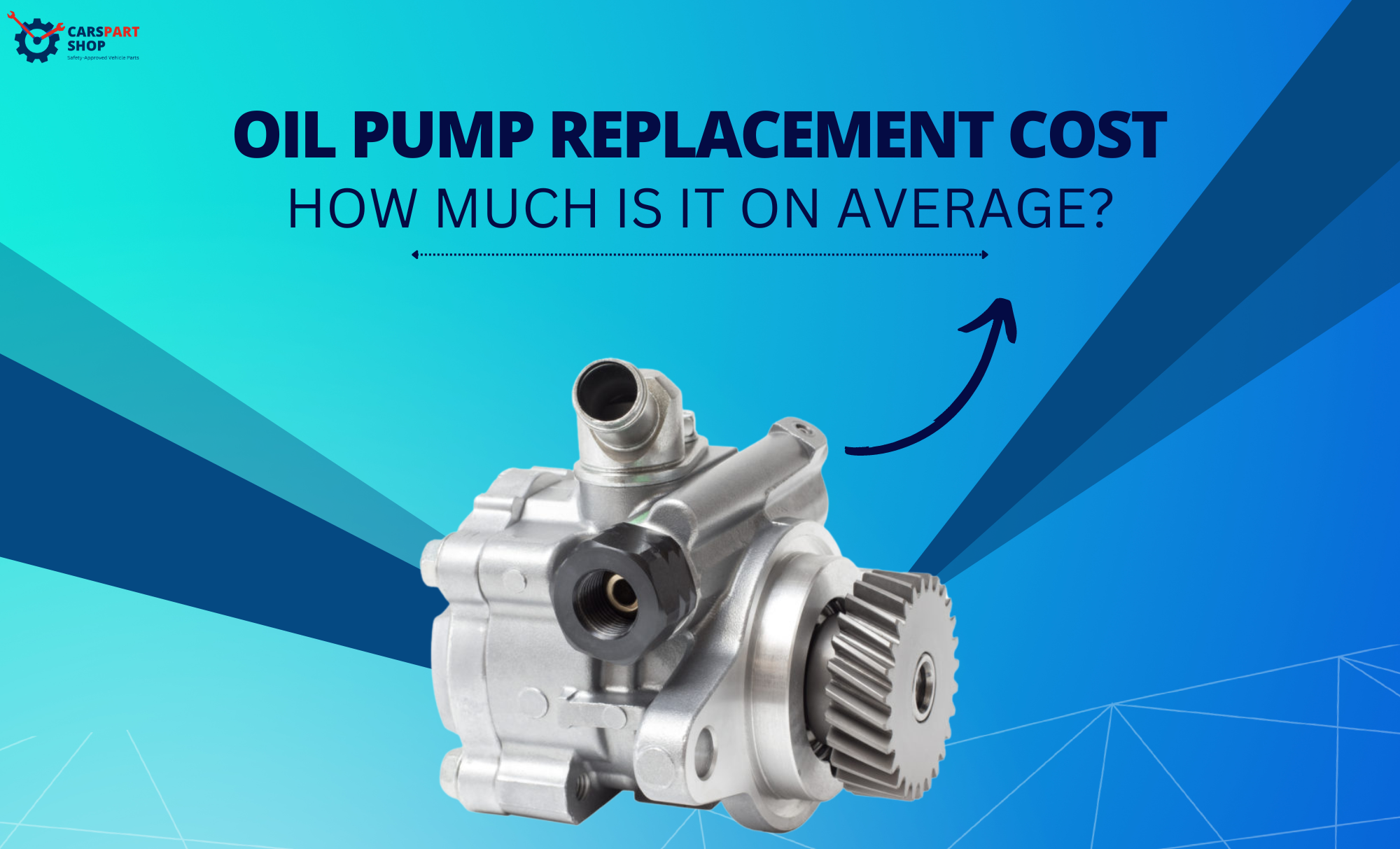
The dreaded fuel pump failure. It's a car owner's nightmare scenario – stranded on the side of the road, wallet suddenly feeling lighter than your gas tank. But how much lighter, exactly? The answer, as with most things automotive, is frustratingly…it depends. This isn't a one-size-fits-all repair, and the cost can swing wildly depending on your car's make, model, age, and even the engine under the hood. Let's dive into the factors that determine the cost of replacing a fuel pump, with a breakdown of popular vehicles and a look at the technologies that influence the final bill.
The Anatomy of a Fuel Pump Bill: Parts & Labor
A fuel pump replacement bill essentially boils down to two main components: the parts themselves (the pump, filter, potentially even the sending unit) and the labor involved in getting the old one out and the new one in. Here's a general overview:
- Fuel Pump Unit: The core of the issue. Aftermarket pumps can range from $50 for basic units to upwards of $500+ for high-performance or OEM-branded replacements.
- Fuel Filter: Often recommended to be replaced concurrently, adding $15-$50 to the bill. A clogged filter can strain the new pump.
- Fuel Sending Unit: Some fuel pumps are integrated with the fuel sending unit (the part that tells you how much fuel is in the tank). If this is the case and the sending unit is faulty, it may need replacement as well. This can add another $50-$200.
- Labor: This is where things get hairy. Labor costs vary significantly depending on the vehicle. Some fuel pumps are easily accessible, while others require dropping the fuel tank or even removing interior components. Labor rates typically range from $75 to $150+ per hour.
Model-Specific Examples: Cost Breakdown
To illustrate the cost differences, let's look at some popular vehicles:
| Vehicle | Engine | Fuel Pump Type | Estimated Parts Cost | Estimated Labor Hours | Estimated Total Cost |
|---|---|---|---|---|---|
| Honda Civic (2015) | 1.8L 4-cylinder | In-tank | $100 - $250 | 2-3 hours | $300 - $700 |
| Ford F-150 (2018) | 3.5L EcoBoost V6 | In-tank, high pressure | $200 - $400 | 3-5 hours | $425 - $1150 |
| BMW 3 Series (E46, 2003) | 3.0L Inline-6 | In-tank | $150 - $300 | 3-4 hours | $400 - $900 |
| Chevrolet Corvette (C6, 2010) | 6.2L LS3 V8 | In-tank | $250 - $500 | 4-6 hours | $550 - $1400 |
Disclaimer: These are estimates. Actual costs may vary based on location, shop rates, and specific parts chosen.
Technology and Cost: Carbureted vs. Fuel-Injected
Older carbureted engines generally have a simpler, mechanically-driven fuel pump, often located on the engine block. These are typically cheaper to replace than the in-tank electric fuel pumps found in modern fuel-injected vehicles. However, carbureted systems also lack the precision and efficiency of fuel injection.
Fuel-injected engines, on the other hand, rely on electric fuel pumps to deliver fuel under pressure to the fuel injectors. These pumps are often located inside the fuel tank, making replacement more labor-intensive. Also, newer cars with direct injection have high-pressure fuel pumps, which are even pricier due to their more complex design and the higher pressures they need to handle.
DIY vs. Professional Installation: Proceed with Caution!
While tackling a fuel pump replacement yourself can save on labor costs, it's not a job for the faint of heart. Here's a quick breakdown of the pros and cons:
- DIY Pros:
- Significant cost savings on labor.
- Personal satisfaction of completing the job.
- DIY Cons:
- Requires mechanical knowledge and specialized tools.
- Potential safety hazards (fuel is flammable!).
- Risk of damaging fuel lines or other components.
- Potential for improper installation leading to further problems.
Real-World Driving Impressions: A failing fuel pump can manifest in several ways: difficulty starting, sputtering or hesitation during acceleration, loss of power, or even stalling. If you experience any of these symptoms, it's crucial to get your car checked out by a qualified mechanic. Ignoring the problem can lead to further damage and potentially leave you stranded.
Finding the Right Shop: Key Considerations
When choosing a repair shop, consider these factors:
- Reputation: Check online reviews and ask for recommendations.
- Experience: Ensure the shop has experience working on your specific make and model.
- Warranty: Ask about the warranty on parts and labor.
- Transparency: Get a detailed estimate before authorizing any work.
Ultimately, the cost of fixing a fuel pump depends on a complex interplay of factors. Being informed about these factors can help you make the best decision for your vehicle and your wallet.
One final thought: Which is worse – a failing fuel pump on a vintage muscle car during a weekend cruise, or a modern hybrid's fuel pump giving out during rush hour traffic? Let the debate begin!