
How Much Would It Cost To Rebuild A Motor
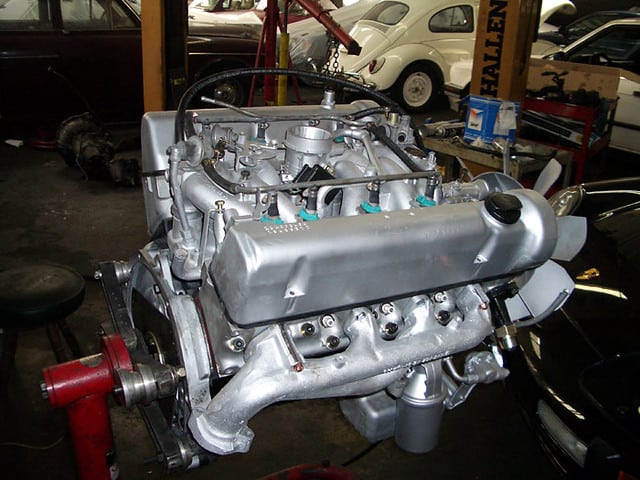
The question of how much it costs to rebuild a motor is one that haunts the dreams (and wallets) of car enthusiasts and mechanics alike. The simple answer? It depends. A lot. Unlike replacing a worn tire or swapping out brake pads, rebuilding an engine is a deeply complex process influenced by a multitude of factors. This article will delve into the core elements that dictate the final price tag of an engine rebuild, offering a detailed breakdown for those contemplating this significant undertaking.
Core Factors Influencing Rebuild Costs
Before diving into specifics, let’s establish the major players. The final cost is a delicate dance between these elements:
- Engine Type and Complexity: A simple inline-four from a vintage economy car will invariably cost less to rebuild than a modern, turbocharged V8 with complex electronic systems. The sheer number of parts, specialized tools required, and the intricacies of the design all contribute to this disparity.
- Desired Performance Level: Are you aiming for a stock rebuild, restoring the engine to its original specifications? Or are you seeking a performance upgrade? Upgrades like forged pistons, performance camshafts, and ported cylinder heads significantly increase the cost.
- Labor Costs: This is often the single biggest expense. Labor rates vary dramatically based on geographic location, the shop's expertise, and the complexity of the job. A reputable shop with experienced technicians will naturally charge more than a less established operation.
- Parts Availability and Sourcing: Some engines have readily available, affordable parts. Others, particularly those from older or rare vehicles, require extensive searching and potentially custom-fabricated components, driving up the price. The source of the parts – OEM (Original Equipment Manufacturer), aftermarket, or remanufactured – also plays a crucial role.
- Machine Shop Services: An engine rebuild almost always necessitates the use of a machine shop. Services like cylinder honing, crankshaft grinding, valve seat cutting, and head resurfacing are essential for ensuring proper engine operation and longevity.
- Unexpected Issues: This is the wildcard. During disassembly, hidden cracks, corrosion, or other unforeseen damage can be discovered, requiring additional parts and labor.
Breaking Down the Costs: A Hypothetical Example
Let’s consider a hypothetical scenario: rebuilding a 350 cubic inch (5.7L) small-block Chevrolet V8, a common and relatively straightforward engine. We'll assume a stock rebuild with no significant performance upgrades.
- Parts: Gasket sets (full engine), piston rings, bearings (main, rod, cam), oil pump, timing chain/belt, water pump, freeze plugs, and potentially new pistons if the old ones are excessively worn. This could range from $500 to $1,500 depending on the quality and brand of the parts.
- Machine Shop Services: Cylinder honing (or boring if necessary), crankshaft polishing, valve job (including new valves if needed), head resurfacing, and block cleaning. Expect to pay between $500 and $1,000.
- Labor: Disassembly, cleaning, inspection, reassembly, and installation. This is where the biggest variation occurs. Depending on the shop's hourly rate (ranging from $75 to $150+ per hour) and the estimated time (typically 30-50 hours), labor costs can range from $2,250 to $7,500.
Therefore, a conservative estimate for rebuilding a 350 Chevy V8, aiming for a stock rebuild, could fall between $3,250 and $10,000. Remember, this is just an example, and the actual cost can vary significantly.
DIY vs. Professional Rebuild
One crucial decision is whether to tackle the rebuild yourself or entrust it to a professional. A DIY rebuild can save on labor costs, but it requires significant mechanical knowledge, specialized tools, and a dedicated workspace. Mistakes can be costly, potentially leading to engine failure and even more expensive repairs. A professional rebuild offers the assurance of expertise and warranty coverage, but it comes at a premium. If you lack the necessary skills and experience, a professional rebuild is almost always the wiser choice.
Tips for Controlling Rebuild Costs
While rebuilding an engine is inherently expensive, there are ways to mitigate the costs:
- Shop Around: Get multiple quotes from reputable shops. Don't automatically go with the cheapest option, but compare estimates carefully.
- Be Realistic About Performance Goals: Resist the urge to add unnecessary performance upgrades that will inflate the price.
- Consider Remanufactured Parts: Remanufactured parts can be a cost-effective alternative to new OEM parts, provided they come with a warranty.
- Thoroughly Inspect the Engine Before Disassembly: A careful inspection can help identify potential problems early on, allowing you to budget accordingly.
- Don't Skimp on Quality: Using cheap, low-quality parts can lead to premature engine failure, ultimately costing more in the long run.
In conclusion, rebuilding an engine is a complex and costly undertaking. Careful planning, realistic expectations, and a thorough understanding of the factors involved are crucial for achieving a successful and financially viable rebuild. Remember to consult with experienced mechanics and machine shops to get accurate estimates and expert advice before embarking on this challenging but rewarding endeavor. The key is to balance your budget with the desired performance and longevity of your engine to ensure a rebuild that provides years of reliable service. Weighing the pros and cons of a full rebuild versus an engine swap is also a worthy consideration; sometimes, a crate engine offers a more economical and less time-consuming solution.