
How Often Do You Need Your Brakes Changed
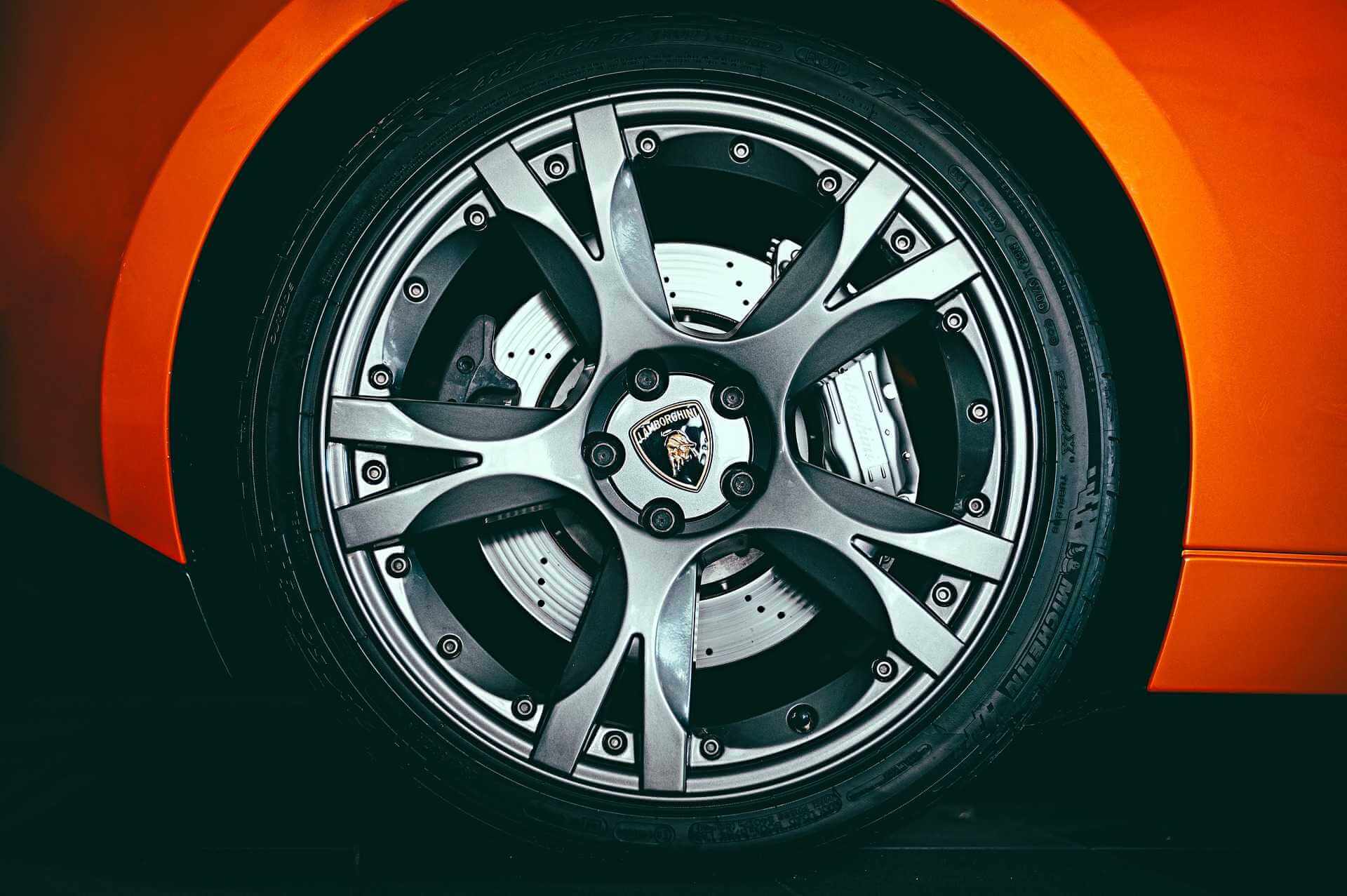
Brakes. The unsung heroes of automotive safety. We rely on them daily, often without a second thought, to bring tons of metal to a controlled stop. But just how often do these critical components need replacing? The answer, as with many things automotive, isn't a simple one-size-fits-all. Several factors influence brake pad and rotor lifespan, making regular inspection crucial.
Understanding the Variables
Several key elements dictate how frequently you'll need to shell out for new brake pads and potentially rotors (also known as brake discs). These include:
- Driving Habits: Aggressive driving, characterized by hard braking and rapid acceleration, drastically reduces brake life. Think stop-and-go city traffic versus gentle highway cruising. Drivers who anticipate traffic flow and use engine braking will see a significantly longer lifespan.
- Vehicle Type: A heavy SUV or pickup truck will naturally exert more force on the braking system than a lightweight sports car. Heavier vehicles require larger, more robust braking systems, but even those are subject to increased wear under similar driving conditions. The curb weight of your vehicle is a good indicator.
- Brake Pad Material: Brake pads come in various materials, each with its own pros and cons. Organic pads (also called Non-Asbestos Organic, or NAO) are quieter and produce less dust but wear down faster. Semi-metallic pads offer better stopping power and longer life but can be noisier and generate more brake dust. Ceramic pads represent a balance, offering good performance, low noise, and decent lifespan, but often at a higher price point.
- Rotor Quality: Just like brake pads, rotors come in different materials and designs. Standard cast iron rotors are common, while performance vehicles may use slotted or drilled rotors for improved heat dissipation. The quality of the metal and the manufacturing process influence wear.
- Environmental Conditions: Driving in dusty or sandy environments can accelerate brake wear as abrasive particles get trapped between the pads and rotors. Similarly, exposure to salt and road de-icing chemicals can corrode brake components.
General Guidelines and Inspection
As a very general guideline, brake pads typically last between 25,000 and 70,000 miles. However, that range is so broad that it's more useful to focus on regular inspections. A visual inspection can often reveal the amount of remaining brake pad material. Many brake pads have a wear indicator – a small metal tab that screeches against the rotor when the pad is nearing the end of its life. If you hear this sound, it's time for a brake inspection.
During an inspection, also check the rotors for signs of damage, such as scoring, pitting, or warping. Warped rotors can cause a pulsating sensation when braking. While rotors can sometimes be resurfaced (a process called turning), this isn't always possible or advisable, especially if the rotor is already thin. It's often more cost-effective to replace the rotors along with the brake pads. This is especially important for vehicles with ABS (Anti-lock Braking System) or ESC (Electronic Stability Control), as properly functioning brakes are crucial for these systems to operate effectively.
Cost Considerations
Brake jobs can range in cost depending on the vehicle, the quality of parts used, and the labor rates in your area. A typical brake pad replacement, including rotor resurfacing (if applicable), might cost between $150 and $400 per axle (front or rear). Replacing both pads and rotors will generally cost more. High-performance brake components, such as those found on sports cars or performance trucks, will naturally increase the price. Always get quotes from multiple shops and inquire about the warranty on parts and labor.
Beyond Pads and Rotors: The Brake System as a Whole
Don't forget that the brake pads and rotors are just part of the overall braking system. Other components, such as the brake calipers, brake lines, and master cylinder, also require attention. Brake fluid should be flushed and replaced periodically, typically every two to three years, as it absorbs moisture over time, which can reduce braking performance and corrode internal brake components. A spongy brake pedal can be a sign of air in the brake lines or a failing master cylinder. Ignoring these issues can lead to more costly repairs down the line and, more importantly, compromise your safety.
In conclusion, while there's no magic number for brake replacement intervals, regular inspections and proactive maintenance are key to ensuring safe and reliable braking performance. Listen to your car, pay attention to any unusual noises or vibrations, and consult with a qualified mechanic to address any concerns. Staying on top of your brake maintenance is an investment in your safety and the longevity of your vehicle.