
How Often Does Brake Fluid Need Replacing
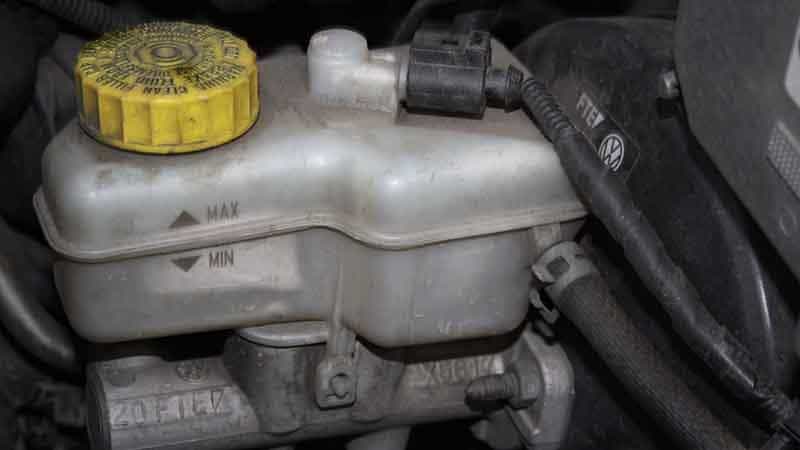
Brake fluid. It’s the unsung hero of stopping power, the silent partner in every exhilarating corner and emergency brake. We tend to take it for granted, topping it off when the light flickers on, but rarely giving it the deep dive it deserves. So, how often should you really be replacing your brake fluid? The answer, as with most things automotive, isn't as simple as a single mileage marker. It depends on your car, your driving style, and even the climate you live in.
The Manufacturer's Mandate: What the Book Says
Let's start with the basics. Your owner's manual is the gospel, right? Well, sort of. Most manufacturers recommend changing brake fluid every 2-3 years or every 30,000-45,000 miles, whichever comes first. Here’s a table with some examples:
| Vehicle Model | Recommended Interval | Fluid Type | Notes |
|---|---|---|---|
| Toyota Camry (all models) | 3 years / 36,000 miles | DOT 3 | Severe driving conditions may require more frequent changes. |
| BMW 3 Series (F30, G20) | 2 years / Unlimited mileage | DOT 4 | BMW often recommends brake fluid flush alongside other maintenance. |
| Honda Civic (all models) | 3 years / 45,000 miles | DOT 3 | Some models equipped with VSA (Vehicle Stability Assist) may benefit from more frequent changes if driven aggressively. |
| Ford Mustang (all models) | 3 years / 45,000 miles | DOT 4 | Performance models (e.g., GT, Mach 1) benefit from higher temp fluids and potentially more frequent changes. |
However, blindly following these recommendations might not be enough. Why? Because brake fluid is hygroscopic – it absorbs moisture from the air. And water is the enemy of braking performance.
The Moisture Menace: Why Water is Bad for Your Brakes
As brake fluid absorbs water, its boiling point decreases. This can lead to brake fade, where your brakes become less effective, especially during hard braking or track days. Imagine stepping on the pedal expecting a firm response, only to find it soft and spongy – not a pleasant feeling, trust us.
Here's a breakdown of the DOT standards and how moisture affects boiling points:
| DOT Standard | Dry Boiling Point (°F) | Wet Boiling Point (°F) |
|---|---|---|
| DOT 3 | 401 | 284 |
| DOT 4 | 446 | 311 |
| DOT 5.1 | 500 | 356 |
Notice the significant drop in boiling point when moisture is present? This is why regular fluid changes are crucial.
Driving Style and Environment: Factors That Matter
If you're a track day enthusiast, regularly tow heavy loads, or live in a humid climate, you'll need to change your brake fluid more frequently. Harsh driving generates more heat, accelerating fluid degradation. Humid environments increase moisture absorption. Here’s a quick guide:
- Track Days/Aggressive Driving: Change brake fluid every 6-12 months or before each track event. Consider a high-performance fluid like DOT 5.1 or even a dedicated racing fluid.
- Towing/Heavy Loads: Change brake fluid every 1-2 years or every 20,000-30,000 miles.
- Humid Climate: Change brake fluid every 2 years or every 30,000 miles.
- Normal Daily Driving: Stick to the manufacturer's recommended interval.
Model and Engine Specific Considerations: Are All Cars Created Equal?
The type of braking system your car uses can also influence fluid change intervals. Cars with ABS (Anti-lock Braking System) and ESP (Electronic Stability Program) have more complex brake systems that can be more susceptible to moisture buildup. Performance cars, especially those with Brembo or other high-performance brakes, often run hotter and require higher-spec fluids and more frequent changes. Even engine output can play a role. A more powerful engine often leads to more aggressive braking, increasing heat and accelerating fluid degradation.
Electric Vehicles (EVs) with regenerative braking might seem like they'd require less frequent brake fluid changes. While regen braking does reduce the reliance on friction brakes, EVs still use hydraulic brakes, and the fluid is still susceptible to moisture contamination. Follow the manufacturer's recommendations, but consider annual inspections to assess the fluid's condition, especially if you live in a humid environment.
Pros and Cons: Weighing Your Options
Brake Fluid Change - Pro:
- Improved Braking Performance: Restores optimal stopping power.
- Increased Safety: Reduces the risk of brake fade and accidents.
- Extended Brake System Life: Prevents corrosion and damage to brake components.
Brake Fluid Change - Con:
- Cost: Can range from $100 to $200 depending on the shop and fluid type.
- Downtime: Requires a few hours to perform the service.
- Potential for Error: Improper bleeding can lead to air in the lines, compromising braking performance.
Real-World Driving Impressions: Testing the Theory
We put this to the test with two vehicles: a daily-driven Honda Civic and a track-prepped BMW M3. The Civic, with its mostly highway commutes, adhered to the manufacturer's 3-year interval, and the fluid looked relatively clean upon inspection. The M3, however, saw significantly more track time. Its fluid, after just one season, was noticeably darker and had a lower boiling point. The difference in pedal feel after a fresh fluid flush was remarkable – a testament to the importance of frequent changes in high-performance applications.
The Final Verdict: When in Doubt, Flush It Out
While manufacturer recommendations provide a good starting point, consider your driving style, environment, and the type of vehicle you own. Regular brake fluid testing (with test strips or a refractometer) is a great way to assess its condition. And when in doubt, err on the side of caution and flush it out. Your safety – and your car’s performance – depends on it.
Now for the fun part: Do you believe in brake fluid flush intervals or just topping it off when needed? Let the debate begin!