
How Often Does Rotors Need To Be Replaced
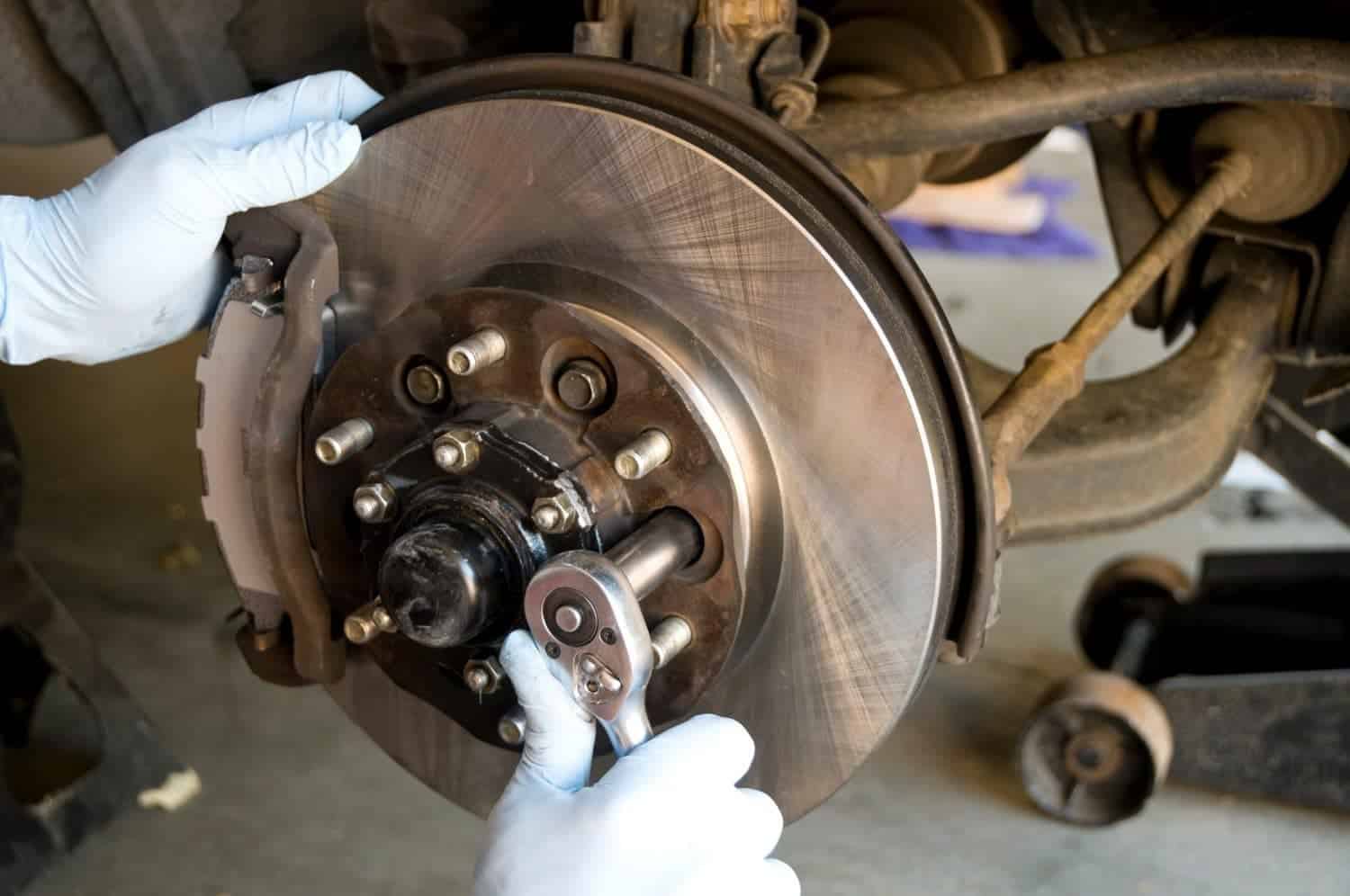
Knowing when to replace your car's brake rotors is a crucial part of vehicle maintenance. While there's no one-size-fits-all answer, understanding the factors influencing rotor wear and knowing the signs of damage can help you keep your car safe and performing optimally. This article will explore how often rotors typically need replacing, what affects their lifespan, and how to recognize when it's time for a change.
Factors Affecting Rotor Lifespan
Several factors determine how long your brake rotors will last. These include driving habits, the quality of the rotors themselves, the type of brake pads used, and the environment in which you drive.
Driving Habits
Aggressive driving, characterized by hard braking and frequent stops, puts significant stress on your rotors. This leads to faster wear and tear compared to gentle, gradual braking. If you frequently drive in stop-and-go traffic, or on steep hills requiring constant braking, you can expect to replace your rotors more often. Conversely, highway driving with fewer stops can extend rotor lifespan.
Rotor Quality
The quality of the rotors plays a significant role in their longevity. Higher-quality rotors are often made from better materials and manufactured to tighter tolerances. They are generally more resistant to warping, cracking, and wear. Choosing a reputable brand known for producing durable rotors can be a worthwhile investment in the long run. Cheap rotors might save you money upfront but could end up costing you more in replacements and potential safety hazards.
Brake Pad Type
The type of brake pads you use also influences rotor wear. Aggressive brake pads, such as metallic or semi-metallic pads, can wear down rotors faster than softer, organic pads. While metallic pads offer excellent stopping power, their abrasive nature contributes to increased rotor wear. Organic pads are gentler on rotors but may not provide the same level of performance under heavy braking conditions. Choosing the right pad type for your driving style and vehicle is essential for both braking performance and rotor lifespan.
Environmental Conditions
The environment in which you drive also affects rotor lifespan. Driving in areas with harsh weather conditions, such as snow, ice, and salt, can accelerate corrosion and wear on rotors. Salt, in particular, is highly corrosive and can cause rotors to rust prematurely. Driving on dirt roads or gravel roads can also lead to increased wear and tear due to the abrasive particles coming into contact with the rotors. Regularly cleaning your brakes and rotors can help mitigate these effects.
General Guidelines for Rotor Replacement
While the factors above play a crucial role, a general guideline is that rotors often need replacing every 50,000 to 70,000 miles. However, this is just an estimate. Some rotors may last longer, while others may need replacing sooner. Many mechanics recommend replacing rotors every other time you replace your brake pads. Since brake pads typically need replacing every 25,000 to 70,000 miles depending on driving conditions, this recommendation lines up pretty well with the estimated rotor lifespan mileage.
It's always best to consult your vehicle's owner's manual for specific recommendations for your make and model. The manufacturer may provide specific guidelines for rotor replacement based on their engineering and testing.
Signs That Your Rotors Need Replacing
Beyond mileage, there are several telltale signs that your brake rotors may need replacing. Recognizing these signs early can help you prevent more serious problems and ensure your safety on the road.
Squealing or Grinding Noises
One of the most common signs of worn rotors is a squealing or grinding noise when you apply the brakes. This noise can indicate that the brake pads are worn down and are rubbing directly against the rotor surface. It can also indicate that the rotors themselves are damaged or worn.
Vibrations or Pulsations When Braking
If you feel vibrations or pulsations in the steering wheel or brake pedal when you apply the brakes, it could be a sign that your rotors are warped. Warping can occur due to excessive heat buildup, uneven wear, or manufacturing defects. Ignoring warped rotors can lead to reduced braking performance and increased wear on other brake components.
Reduced Braking Performance
If you notice that your car takes longer to stop or that you have to apply more pressure to the brake pedal than usual, it could be a sign that your rotors are worn or damaged. Reduced braking performance can be a serious safety hazard and should be addressed immediately.
Visible Damage
Visually inspect your rotors for signs of damage, such as cracks, grooves, or excessive rust. Cracks can weaken the rotor and compromise its ability to stop the car safely. Deep grooves can also reduce braking performance. Excessive rust can indicate that the rotor is deteriorating and may need replacing.
Blue Discoloration
Blue discoloration on the rotor surface is a sign of extreme heat buildup. This can occur due to aggressive braking or prolonged downhill driving. Overheating can damage the rotor's structure and reduce its lifespan.
Checking Rotor Thickness
Mechanics use a special tool to measure the thickness of your brake rotors. Each rotor has a minimum thickness specification. If the rotor is thinner than this specification, it needs to be replaced. Ignoring this measurement can result in brake failure. Even if your rotors don't show obvious signs of damage, having them checked for thickness during routine maintenance is a good preventative measure.
Rotor Resurfacing (Turning)
In some cases, it may be possible to resurface or "turn" your brake rotors instead of replacing them. Resurfacing involves removing a thin layer of material from the rotor surface to restore a smooth, even finish. However, this is only possible if the rotors are thick enough to withstand the material removal and still meet the minimum thickness specification. Many modern rotors are designed to be used only once and are not suitable for resurfacing. Your mechanic can advise you on whether resurfacing is a viable option for your vehicle.
When to Seek Professional Help
If you suspect that your brake rotors need replacing, it's best to consult a qualified mechanic. A mechanic can properly diagnose the problem, inspect the rotors for damage, and recommend the appropriate course of action. Replacing brake rotors can be a complex and potentially dangerous task, so it's generally best left to the professionals.
Regular brake inspections are essential for maintaining your vehicle's safety and performance. Schedule regular check-ups with your mechanic to ensure that your brakes are in good working order and to address any potential problems before they become serious.
By understanding the factors that affect rotor lifespan and knowing the signs of damage, you can proactively maintain your brake system and ensure your safety on the road. Remember to prioritize regular maintenance and seek professional help when needed.