
How Often Should Brake Rotors Be Replaced
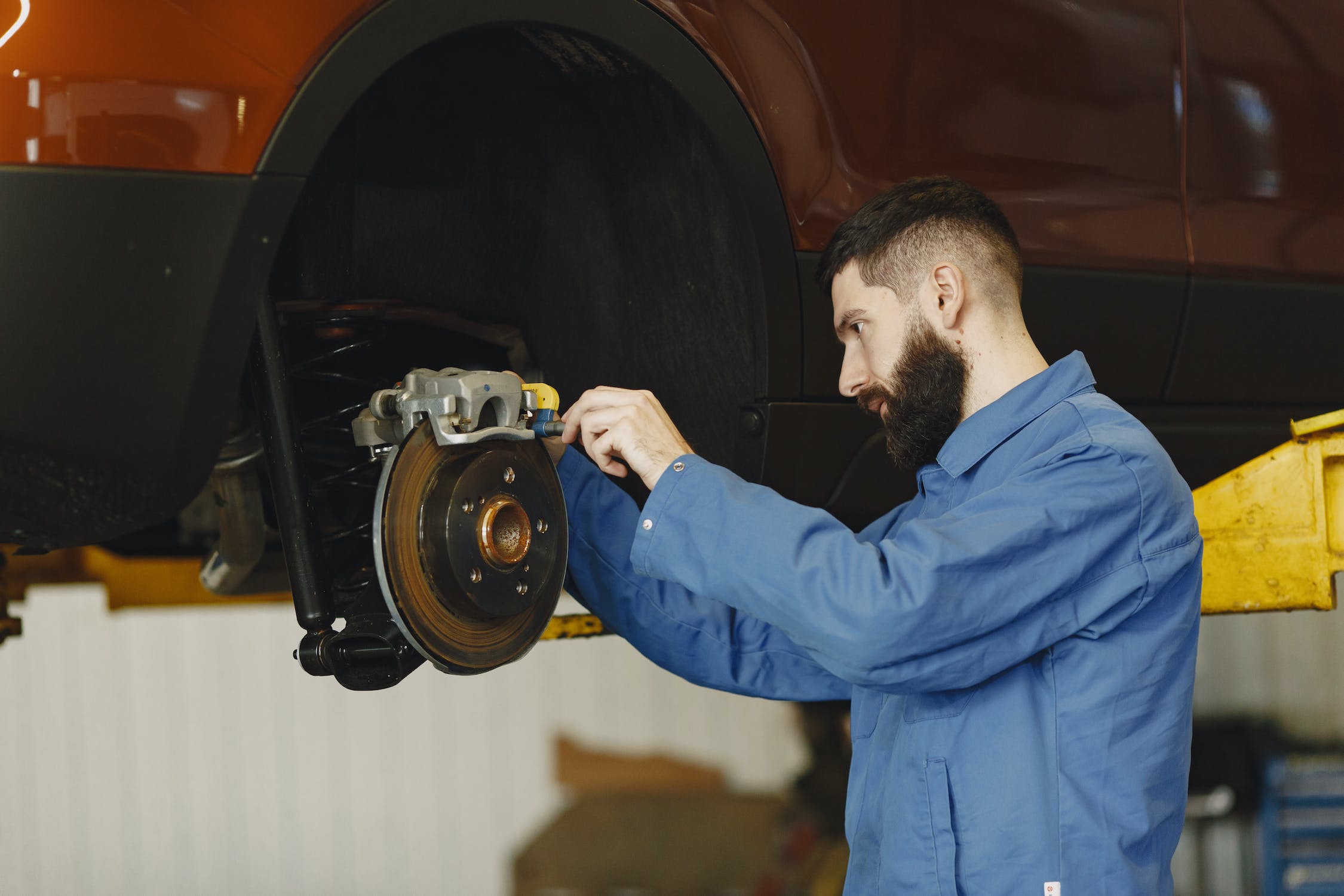
Brake rotors, also known as brake discs, are a crucial component of your vehicle's braking system. They work in tandem with the brake pads to slow or stop your car. Understanding how often to replace them is essential for maintaining vehicle safety and optimal performance. There's no one-size-fits-all answer, as rotor lifespan depends on several factors, including driving habits, vehicle type, and rotor quality.
Understanding Brake Rotor Function and Wear
Let's break down how rotors work. When you press the brake pedal, hydraulic pressure forces the brake calipers to clamp the brake pads against the rotors. This friction generates heat, slowing the vehicle. Over time, this constant friction wears down both the brake pads and the rotors. The rate of wear depends on how aggressively you brake, the weight of your vehicle, and the materials used in the rotors and pads.
Think of it like this: imagine rubbing sandpaper against a block of wood. The sandpaper (brake pads) and the wood (rotors) both wear down. The harder you press and the more you rub, the faster they wear.
Different types of rotors exhibit varying wear characteristics. Solid rotors, commonly found on smaller, lighter vehicles like a Honda Civic or Toyota Corolla, tend to wear slower than vented rotors. Vented rotors, often used on larger or performance vehicles like a Ford Mustang or BMW 3 Series, are designed to dissipate heat more effectively, but their more complex structure can sometimes make them more susceptible to warping or cracking under extreme conditions. Performance rotors, like those found on a Porsche 911 or Audi R8, might use special materials like carbon ceramic, which offer exceptional performance and longevity, but also come with a significantly higher price tag.
Factors Affecting Rotor Lifespan
Several key factors influence how long your brake rotors will last:
1. Driving Habits
Aggressive driving, characterized by hard braking and frequent stops, puts more stress on the rotors, leading to faster wear. City driving, with its constant stop-and-go traffic, is generally harder on brakes than highway driving. Avoiding tailgating and anticipating traffic flow can significantly extend rotor life.
For example, someone who frequently drives in rush hour traffic in Los Angeles will likely need to replace their rotors more often than someone who primarily drives on open highways in Montana.
2. Vehicle Type and Weight
Heavier vehicles, such as SUVs and trucks, require more braking force to stop, placing greater stress on the rotors. A Ford F-150, for example, will generally require rotor replacement more frequently than a lighter sedan like a Mazda 3, given similar driving conditions.
3. Rotor and Pad Material Quality
The quality of the rotors and brake pads directly affects their lifespan. High-quality rotors made from durable materials will last longer than cheaper, lower-quality alternatives. Similarly, premium brake pads designed for optimal rotor compatibility can minimize wear. Choosing reputable brands like Brembo, EBC Brakes, or Akebono can contribute to longer rotor life and better overall braking performance.
Using cheap, metallic brake pads with soft rotors, for instance, will significantly accelerate rotor wear.
4. Environmental Conditions
Exposure to harsh environmental conditions, such as salt and road debris, can accelerate rotor corrosion and wear. Vehicles driven in areas with heavy snowfall or coastal environments are particularly susceptible.
5. Maintenance and Brake Pad Replacement
Regular brake inspections and timely brake pad replacements are crucial for maintaining rotor health. Worn brake pads can damage the rotors, leading to premature replacement. Ignoring squealing brakes, a common indicator of worn pads, can lead to costly rotor damage. Replacing brake pads before they completely wear down prevents the metal backing plate of the pad from grinding against the rotor surface, which can severely score and damage the rotor.
Signs You Need to Replace Your Rotors
Knowing the signs of worn rotors is essential for proactive maintenance:
- Vibrations or Pulsations When Braking: This is a common symptom of warped or unevenly worn rotors. You'll feel a noticeable vibration in the steering wheel or brake pedal when you apply the brakes.
- Squealing or Grinding Noises: While squealing can sometimes indicate worn brake pads, grinding noises often suggest rotor damage or excessive wear.
- Visible Scoring or Grooves on the Rotor Surface: Deep grooves or scoring on the rotor surface indicate significant wear and can compromise braking performance.
- Increased Stopping Distance: If your car takes longer to stop than usual, it could be a sign of worn rotors or other brake system issues.
- Brake Pad Wear Indicator Light: While this primarily indicates worn brake pads, ignoring it can lead to rotor damage if the pads are allowed to wear down completely.
- Minimum Thickness Exceeded: Every rotor has a minimum thickness specification stamped on it. You can use a micrometer to measure the rotor's thickness. If it's below the minimum, it must be replaced.
How Often Should You Replace Them? A General Guideline
While there's no magic number, a general guideline is to replace brake rotors every 50,000 to 70,000 miles. However, this is just an estimate, and actual lifespan can vary significantly based on the factors mentioned above. Some high-performance vehicles or those driven aggressively may require rotor replacement as frequently as every 30,000 miles, while vehicles driven conservatively in mild conditions may see rotors last over 80,000 miles. Many mechanics recommend replacing rotors every other brake pad replacement. However, it's crucial to inspect your rotors regularly and replace them when necessary, regardless of mileage.
In practice, this means checking the rotors during every brake pad replacement. A qualified mechanic can assess the rotor's condition and advise on whether replacement or resurfacing is necessary. Resurfacing (or "turning") rotors involves machining the rotor surface to remove minor imperfections and restore a smooth, flat surface. However, resurfacing removes material, reducing the rotor's thickness. Rotors can only be resurfaced if they still meet the minimum thickness specification after the procedure.
Practical Takeaways
- Regular Inspection is Key: Inspect your brake rotors during every oil change or brake pad replacement. Look for signs of wear, scoring, or damage.
- Listen to Your Brakes: Pay attention to any unusual noises or vibrations when braking. Address any issues promptly to prevent further damage.
- Choose Quality Components: Invest in high-quality rotors and brake pads from reputable brands. This can improve braking performance and extend rotor lifespan.
- Maintain Proper Braking Habits: Avoid aggressive braking and tailgating. Smooth, gradual braking is easier on your brakes and extends their life.
- Follow Manufacturer Recommendations: Consult your vehicle's owner's manual for specific recommendations on brake system maintenance and rotor replacement intervals.
- Consult a Qualified Mechanic: If you're unsure about the condition of your brake rotors or have any concerns, consult a qualified mechanic for a professional inspection and diagnosis. They can accurately assess the rotors and advise on the best course of action.
By understanding how brake rotors work, the factors that affect their lifespan, and the signs of wear, you can make informed decisions about brake system maintenance and ensure the safety and performance of your vehicle. Proactive maintenance is always more cost-effective than reactive repairs.