
How Often Should I Check My Oil In My Car
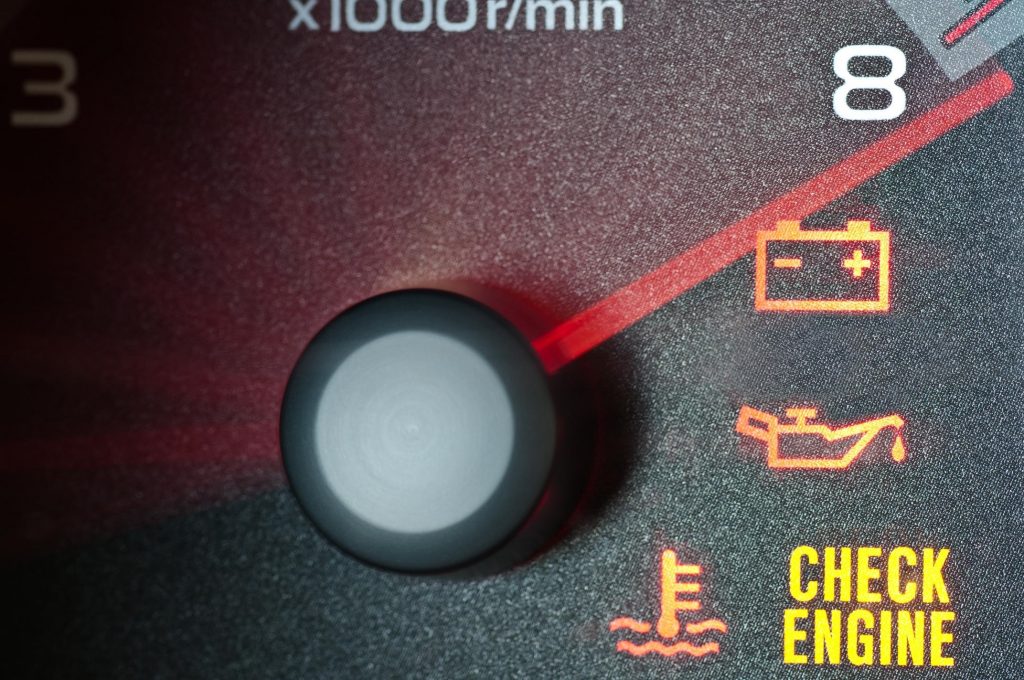
Hey there! As a service advisor, I talk to folks about their car's oil all the time. It's one of those maintenance items that's easy to overlook, but vitally important for your engine's health and longevity. You might be wondering, "How often should I be checking my oil?" The answer, like most things in car maintenance, depends, but let's break it down so you have a clear understanding.
Why Checking Your Oil is Crucial
First off, let's quickly cover why oil checks are so important. Your engine oil has several critical functions:
- Lubrication: It reduces friction between moving parts, preventing wear and tear.
- Cooling: It helps dissipate heat away from hot engine components.
- Cleaning: It carries away dirt, debris, and combustion byproducts, keeping the engine clean.
- Sealing: It helps seal the piston rings against the cylinder walls, maintaining compression.
When your oil level is low or the oil is old and degraded, these functions are compromised. This can lead to:
- Increased engine wear and tear
- Reduced fuel efficiency
- Overheating
- Engine knocking or pinging
- Catastrophic engine failure (the most expensive and preventable outcome!)
The Recommended Frequency: The "Once a Month" Rule (and When to Break It)
The general recommendation, and what I tell most of my customers, is to check your oil level at least once a month. This is a good baseline for most modern vehicles with no known oil consumption issues. Mark it on your calendar! It takes less than five minutes and can save you thousands of dollars in the long run.
However, the "once a month" rule isn't a one-size-fits-all solution. You might need to check more frequently if:
1. Your Car is Older (or Has High Mileage)
Older vehicles, especially those with higher mileage (over 75,000 miles, roughly), tend to develop leaks or burn oil more readily. Seals and gaskets degrade over time, and piston rings can wear down, allowing oil to seep into the combustion chamber. If your car falls into this category, I recommend checking your oil every two weeks, or even weekly, depending on your driving habits.
Problem: Oil consumption increases significantly with age and wear.
Solution: More frequent oil level checks. Consider using a high-mileage oil, which contains additives that can help seal leaks and reduce oil consumption. In severe cases, you might need to address the underlying leak or wear with repairs, which could range from replacing valve cover gaskets (around $150-$300) to more extensive engine work (thousands of dollars).
2. You Notice an Oil Leak
This one's obvious, but worth mentioning. If you see oil spots on your driveway or garage floor, or smell burning oil, you almost certainly have an oil leak. You need to find the leak and get it fixed as soon as possible. In the meantime, check your oil level daily. Keep a quart of oil in your trunk so you can top it off as needed.
Problem: External oil leak.
Solution: Identify and repair the leak. Common leak points include the valve cover gasket, oil pan gasket, rear main seal, and oil filter housing. Repair costs vary widely depending on the location and severity of the leak, ranging from a few hundred dollars to over a thousand for more complex repairs.
3. You Do a Lot of Hard Driving
Do you frequently tow trailers, haul heavy loads, drive aggressively (lots of hard acceleration and braking), or participate in track days? These activities put extra stress on your engine and can increase oil consumption. In these situations, check your oil level every few days or before and after each event.
Problem: Increased oil consumption due to demanding driving conditions.
Solution: More frequent oil level checks. Consider using a heavier-weight oil that's better suited for high-stress driving. You might also want to shorten your oil change intervals.
4. Your Car Has a History of Oil Consumption
Some car models are known to have higher-than-average oil consumption, even when they're relatively new. Research your specific make and model online. If you find that your car is prone to burning oil, be extra vigilant and check your oil level more frequently.
Problem: Inherent oil consumption issues with a specific make/model.
Solution: More frequent oil level checks. Monitor oil consumption closely. Consider using a specific oil brand or type recommended by other owners of the same car. In some cases, a mechanical repair may be necessary, but it's important to determine the root cause first.
How to Check Your Oil Level: A Step-by-Step Guide
Checking your oil is a simple process. Here's what you need:
- A clean rag or paper towel
- Your car's owner's manual (for reference)
- Optional: Gloves (to keep your hands clean)
Here's how to do it:
- Park your car on a level surface and turn off the engine. Let the engine cool down for at least 10-15 minutes to allow the oil to drain back into the oil pan.
- Locate the dipstick. It's usually brightly colored (yellow, orange, or red) and has a loop or handle on top. Consult your owner's manual if you're unsure where it is.
- Pull the dipstick out completely and wipe it clean with the rag or paper towel.
- Reinsert the dipstick fully into its tube. Make sure it's seated properly.
- Pull the dipstick out again and observe the oil level. The dipstick will have markings indicating the "full" and "low" levels (sometimes labeled as "MIN" and "MAX").
- Check the oil level. If the oil level is between the "full" and "low" marks, you're good to go. If it's at or below the "low" mark, you need to add oil.
- Note the oil's appearance. Clean oil should be amber or light brown. Dark, sludgy oil indicates that it's time for an oil change. If the oil looks milky or foamy, it could indicate a coolant leak, which is a serious problem that needs immediate attention.
- Add oil if necessary. Use the type of oil specified in your owner's manual. Add oil gradually, checking the level frequently until it reaches the "full" mark. Do not overfill!
- Wipe the dipstick clean and reinsert it into its tube.
Final Thoughts
Checking your oil regularly is a small investment of time that can pay off big in the long run. By staying on top of your oil level and addressing any issues promptly, you can help keep your engine running smoothly and avoid costly repairs. If you're ever unsure about anything, don't hesitate to consult with a qualified mechanic. We're here to help!