
How Often Should Wiper Blades Be Replaced
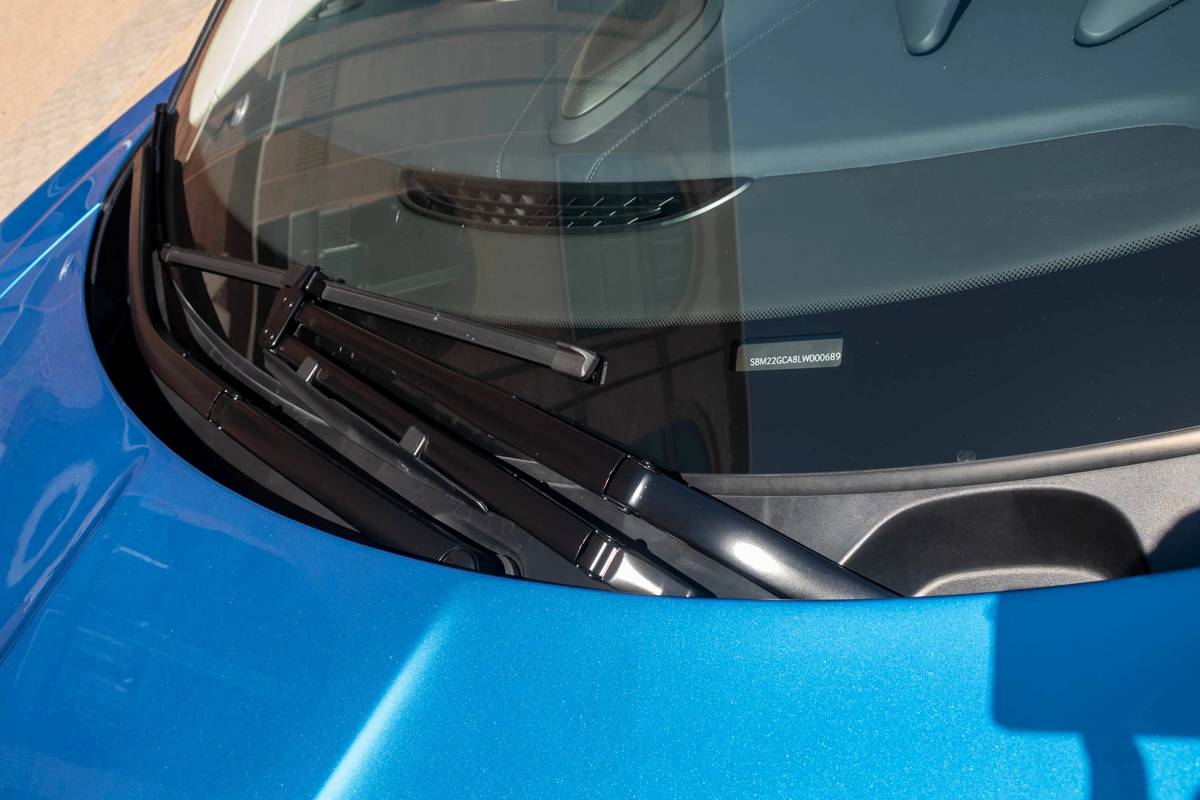
Visibility is paramount when driving. Rain, snow, sleet, and even dust can severely impair your ability to see the road, making properly functioning wiper blades crucial for your safety. But how often should you replace these essential components? The answer isn't always straightforward, but understanding the factors involved can help you keep your windshield clear and your driving safe.
Understanding Wiper Blade Lifespan
There isn't a universal replacement schedule for wiper blades. Their lifespan depends on a variety of factors, ranging from the climate you live in to the quality of the blades themselves. However, a good rule of thumb is to replace your wiper blades every 6 to 12 months. Some manufacturers may recommend different intervals, so always refer to your vehicle's owner's manual or the specific instructions that came with your wiper blades.
Key Factors Affecting Wiper Blade Longevity
Several elements can significantly impact how long your wiper blades last:
- Climate: Extreme temperatures, whether scorching sun or freezing cold, can degrade the rubber compound of the blades. Constant exposure to UV rays from the sun dries out the rubber, causing it to crack and become less effective. Freezing temperatures can make the rubber brittle, leading to tearing and reduced flexibility.
- Usage: Frequent use, especially in harsh conditions, will wear down your wiper blades more quickly. If you live in an area with frequent rain or snow, you'll likely need to replace your blades more often than someone who lives in a drier climate.
- Blade Quality: Higher-quality wiper blades, often made with more durable rubber compounds and better construction, tend to last longer than cheaper alternatives. Investing in quality blades can save you money in the long run by reducing the frequency of replacements.
- Windshield Condition: A dirty or pitted windshield can accelerate the wear and tear on your wiper blades. Debris and imperfections on the glass surface can create friction and cause the blades to deteriorate more rapidly.
- Parking Habits: Parking your car in direct sunlight can expose your wiper blades to harmful UV rays, shortening their lifespan. Parking in a garage or under cover can help protect your blades from the elements.
- Contaminants: Road salt, tree sap, bird droppings, and other contaminants can damage the rubber of your wiper blades. Regularly cleaning your windshield and wiper blades can help prevent these contaminants from causing premature wear.
Signs It's Time for a Wiper Blade Replacement
Even if it hasn't been 6-12 months, you should inspect your wiper blades regularly for signs of wear. Here are some common indicators that it's time for a replacement:
- Streaking: Streaks of water left behind on the windshield after wiping are a clear sign that the blades are no longer making consistent contact with the glass.
- Skipping: If your wiper blades are skipping or chattering across the windshield, it indicates that the rubber edge is damaged or warped.
- Smearing: Smearing, or a hazy film left on the windshield, suggests that the blades are distributing water unevenly due to wear or damage.
- Squeaking or Screeching: These noises often indicate that the rubber is dry, cracked, or torn, and the blades are not moving smoothly across the glass.
- Visible Damage: Inspect the blades for any visible signs of damage, such as cracks, tears, or missing pieces of rubber. Even small imperfections can significantly reduce their effectiveness.
- Uneven Wiping: If some areas of the windshield are clean while others remain wet or smeared, it means the blades are not applying consistent pressure across the entire surface.
If you notice any of these signs, don't delay in replacing your wiper blades. Driving with worn-out blades can significantly reduce your visibility, especially in adverse weather conditions.
Choosing the Right Wiper Blades
When selecting replacement wiper blades, consider the following factors:
- Vehicle Compatibility: Ensure the blades are the correct size and type for your specific vehicle make and model. Refer to your owner's manual or use an online compatibility tool.
- Blade Type: There are several types of wiper blades available, including conventional blades, beam blades, and hybrid blades. Beam blades often provide better performance and last longer than conventional blades.
- Material: Look for blades made with high-quality rubber compounds that are resistant to cracking and tearing. Silicone blades are also available and offer excellent durability and performance.
- Reviews and Ratings: Read online reviews and ratings to get an idea of the performance and longevity of different wiper blade brands and models.
Pro Tip: Consider purchasing premium wiper blades that are specifically designed for your climate. Some blades are formulated to withstand extreme heat or cold, while others are designed for heavy rain or snow.
Installing New Wiper Blades
Replacing wiper blades is typically a simple process that can be done in a few minutes. Most wiper blades come with clear instructions. However, if you're unsure about how to install them yourself, you can take your car to a mechanic or auto parts store for assistance.
Here's a general overview of the steps involved:
- Lift the wiper arm: Carefully lift the wiper arm away from the windshield until it locks into the upright position.
- Detach the old blade: Locate the release mechanism on the old wiper blade and detach it from the wiper arm. The release mechanism may vary depending on the type of blade.
- Attach the new blade: Align the new wiper blade with the wiper arm and attach it securely. Make sure the blade clicks into place.
- Lower the wiper arm: Gently lower the wiper arm back onto the windshield.
- Repeat on the other side: Repeat the process for the other wiper blade.
After installing the new blades, test them by spraying the windshield with washer fluid and activating the wipers. Ensure they are cleaning the windshield effectively without any streaks, skipping, or smearing.
Maintaining Your Wiper Blades
To extend the life of your wiper blades, consider these maintenance tips:
- Clean your windshield regularly: Remove dirt, debris, and bugs from your windshield to prevent them from damaging the blades.
- Clean your wiper blades: Wipe the rubber edges of your wiper blades with a damp cloth or paper towel every few weeks to remove dirt and grime.
- Use wiper fluid: Always use windshield washer fluid when operating your wipers. Avoid using plain water, as it can damage the rubber and reduce its effectiveness.
- Store your car properly: Park your car in a garage or under cover whenever possible to protect your wiper blades from the elements.
Conclusion
Replacing your wiper blades is a simple but important maintenance task that can significantly improve your driving safety. By understanding the factors that affect wiper blade lifespan and recognizing the signs of wear, you can ensure that your windshield remains clear and your visibility is optimal. While the average replacement timeframe is 6-12 months, it's best to inspect your wiper blades regularly and replace them as needed. Investing in quality blades and practicing proper maintenance will help you get the most out of your wiper blades and keep you safe on the road.