
How Often Should You Change Oil In A Diesel
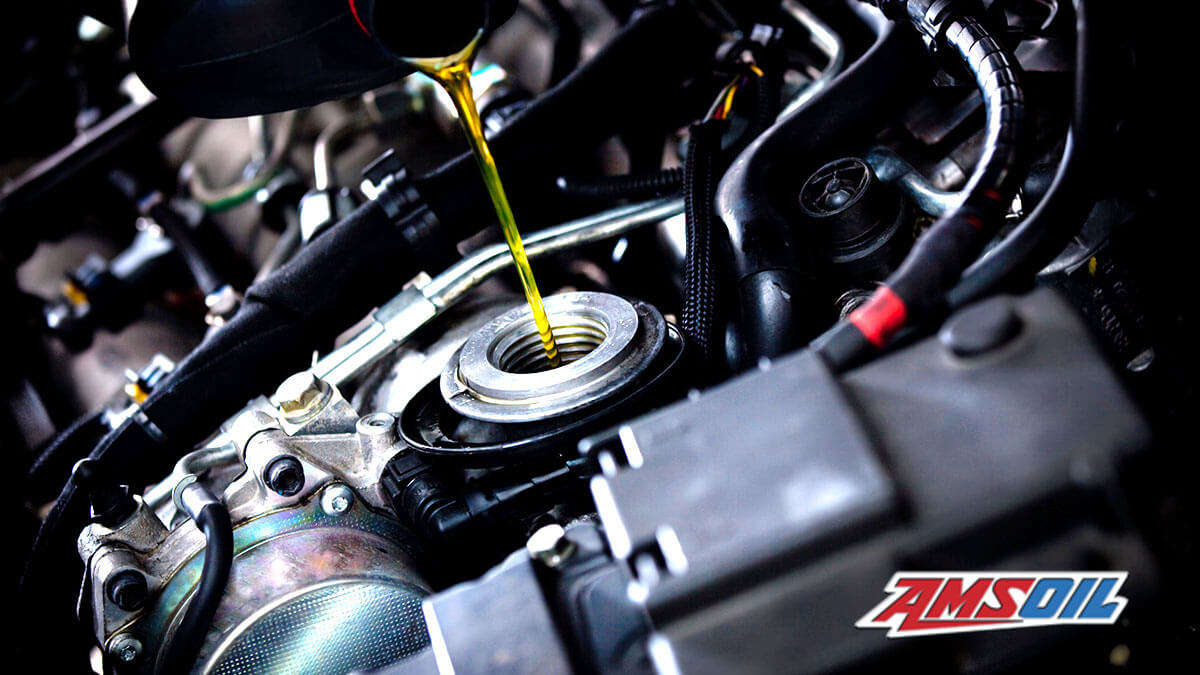
Determining the optimal oil change interval for a diesel engine is a complex equation, far removed from the simplistic "every 3,000 miles" mantra often associated with gasoline vehicles. Several factors interplay to dictate the appropriate schedule, including engine design, operating conditions, oil type, and fuel quality. This article delves into the technical aspects influencing diesel engine oil change intervals, providing a comprehensive guide for automotive professionals.
Understanding Diesel Engine Oil Degradation
Diesel engines, by nature, subject their oil to harsher conditions than gasoline engines. Higher compression ratios and combustion temperatures lead to increased soot formation, a byproduct of incomplete combustion. This soot contaminates the oil, increasing its viscosity and reducing its lubricating capabilities. Additionally, diesel fuel often contains higher sulfur content, which, upon combustion, forms corrosive acids that attack engine components. Therefore, understanding the mechanisms of oil degradation is paramount.
Key factors contributing to oil degradation include:
- Soot Loading: This is arguably the most critical factor. Excessive soot causes abrasive wear and can clog oil filters. The amount of soot generated depends on engine design, fuel quality, and driving conditions (e.g., frequent stop-and-go driving increases soot production).
- Oxidation: High temperatures accelerate oil oxidation, leading to sludge formation and a decrease in oil's ability to neutralize acids.
- Fuel Dilution: Unburnt fuel can seep into the oil, reducing its viscosity and lubricating properties. This is more prevalent in older engines or those with faulty fuel injectors.
- Acid Formation: Sulfur in diesel fuel reacts during combustion to form sulfuric acid and sulfurous acid, corroding bearings and other engine parts. Oil additives are designed to neutralize these acids, but their effectiveness diminishes over time.
- Additive Depletion: Oil contains various additives, such as detergents, dispersants, and anti-wear agents, which are consumed during operation. Once these additives are depleted, the oil's protective capabilities are significantly reduced.
OEM Recommendations and Oil Analysis
Original Equipment Manufacturers (OEMs) provide recommended oil change intervals based on extensive testing and engineering considerations. These recommendations are typically found in the vehicle's owner's manual. However, these intervals are often based on *ideal* operating conditions. For vehicles subjected to heavy use, towing, or extreme temperatures, adhering strictly to the OEM recommendation may not be sufficient.
Oil analysis offers a more precise method for determining oil change intervals. By analyzing a sample of used oil, technicians can assess its condition, including:
- Viscosity: Indicates oil's thickness and lubricating properties.
- Total Base Number (TBN): Measures the oil's ability to neutralize acids. A declining TBN indicates the oil's neutralizing capacity is diminishing.
- Total Acid Number (TAN): Measures the acidity of the oil. An increasing TAN indicates acid buildup and potential corrosion.
- Soot Content: Indicates the amount of soot in the oil.
- Wear Metals: The presence of wear metals (e.g., iron, copper, aluminum) indicates engine wear and can help identify potential problems.
- Coolant or Fuel Contamination: Detects leaks or fuel dilution.
Based on the oil analysis results, technicians can determine the optimal oil change interval for a specific vehicle and operating conditions. This data-driven approach offers a more accurate and cost-effective solution compared to relying solely on OEM recommendations.
Oil Types and Their Impact on Change Intervals
The type of oil used significantly impacts the oil change interval. Diesel-specific oils are formulated with additives designed to combat the unique challenges of diesel engines. These oils typically meet or exceed the requirements of the American Petroleum Institute (API) CJ-4 or CK-4 standards, which specify performance requirements for diesel engine oils. Consider using full synthetic oil which generally provides better resistance to high temperatures and oxidation, potentially allowing for extended drain intervals, provided oil analysis confirms its suitability. However, always adhere to the OEM's specifications for viscosity and API rating.
Pros of Synthetic Oil:
- Improved high-temperature performance
- Enhanced oxidation resistance
- Better cold-weather flow
- Potentially longer drain intervals
Cons of Synthetic Oil:
- Higher cost compared to conventional oil
- May not be necessary for all applications
Alternatives to Traditional Oil Changes
Besides traditional oil changes, alternative methods exist, though their suitability varies:
- Bypass Filtration Systems: These systems continuously filter the oil, removing smaller particles than the standard oil filter. They can significantly extend oil life, but require careful monitoring and periodic filter changes.
- Oil Refiners: Some systems continuously refine the oil while the engine is running, removing contaminants and replenishing additives. These systems are complex and expensive, but can potentially eliminate the need for traditional oil changes. Their reliability is crucial.
Maintenance Tips for Extending Oil Life
Several maintenance practices can help extend oil life and reduce the frequency of oil changes:
- Use High-Quality Fuel: Clean fuel reduces soot formation and minimizes fuel dilution.
- Maintain Proper Engine Cooling: Overheating accelerates oil oxidation.
- Ensure Proper Air Filtration: Clean air filters prevent abrasive particles from entering the engine and contaminating the oil.
- Address Engine Problems Promptly: Issues like leaking injectors or worn piston rings can significantly increase oil contamination.
Reliability Aspects and Future Trends
Neglecting oil changes can lead to severe engine damage, including bearing failure, piston scuffing, and premature wear of engine components. Regular oil changes, based on oil analysis and OEM recommendations, are crucial for ensuring engine reliability and longevity.
Looking ahead, the automotive industry is moving towards more sophisticated engine management systems and advanced oil formulations. Future trends include:
- Intelligent Oil Life Monitoring Systems: Utilizing sensors to monitor oil condition and predict oil change intervals based on real-time data.
- Biodiesel Blends: The increasing use of biodiesel can impact oil life due to its different combustion characteristics and potential for fuel dilution.
- Electrification: As diesel engines are gradually replaced by electric powertrains, the demand for diesel engine oil will decrease.
In conclusion, determining the optimal oil change interval for a diesel engine requires a comprehensive understanding of engine design, operating conditions, and oil characteristics. By combining OEM recommendations with oil analysis and implementing proactive maintenance practices, automotive professionals can ensure optimal engine performance and longevity. The industry's evolution towards more sophisticated monitoring systems and alternative fuels will further refine oil change practices in the future.