
How Often Should You Change Synthetic Oil
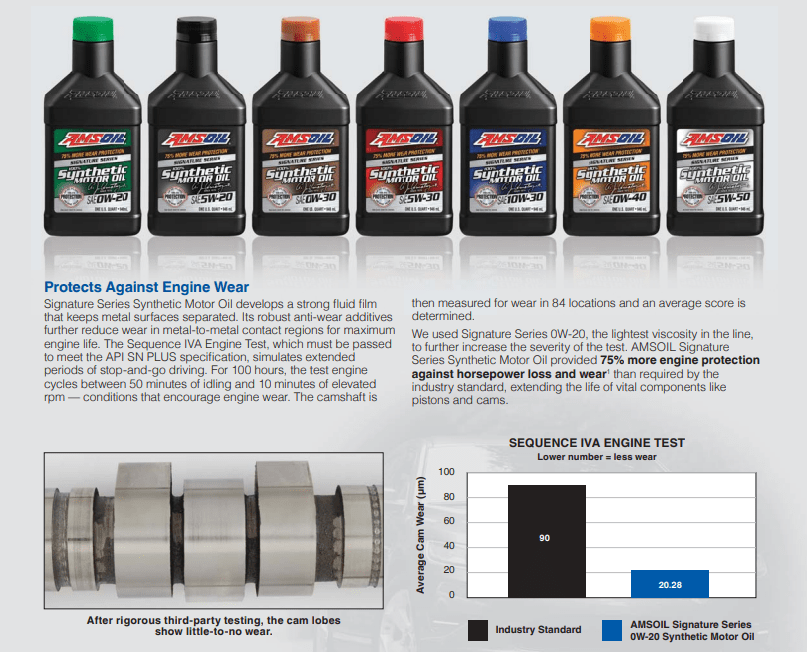
So, you're wondering how often you really need to change that synthetic oil, huh? It's a common question, and honestly, the answer isn't always straightforward. It's not a one-size-fits-all situation like the old "every 3,000 miles" rule for conventional oil. Let's break down the factors that influence your synthetic oil change intervals and help you figure out what's best for your vehicle and driving habits.
Understanding Synthetic Oil and Its Advantages
First, a quick refresher. Synthetic oil is engineered from chemically modified petroleum components, offering several advantages over conventional oil. These benefits include:
- Improved lubrication: Synthetic oil flows better, especially at extreme temperatures (both hot and cold).
- Enhanced engine protection: It resists breakdown and sludge formation more effectively, protecting engine components from wear.
- Better fuel economy: The reduced friction can translate to slightly improved MPG.
- Longer service intervals: This is the big one! Because of its superior properties, synthetic oil *can* last longer between changes.
However, just because it can last longer doesn't automatically mean you can double or triple your oil change intervals. Several factors come into play.
Factors Influencing Your Synthetic Oil Change Interval
Here’s a rundown of the key elements to consider:
1. Your Vehicle Manufacturer's Recommendation
This is always the starting point. Consult your vehicle's owner's manual. It will specify the recommended oil type (synthetic or conventional) and the recommended oil change interval. This interval is usually expressed in miles or months (e.g., "every 7,500 miles or 6 months, whichever comes first"). Ignoring this recommendation can potentially void your warranty.
Many modern vehicles have an oil life monitoring system (OLMS). This system doesn't just count miles; it analyzes your driving conditions and estimates the oil's actual condition, alerting you when a change is needed. While these systems are generally reliable, it's still wise to check your oil level and condition periodically.
2. Your Driving Habits
How you drive significantly impacts your oil's lifespan. "Severe" driving conditions, which warrant more frequent oil changes, include:
- Frequent short trips: The engine doesn't fully warm up, leading to condensation buildup.
- Stop-and-go traffic: Constant acceleration and deceleration put stress on the engine and oil.
- Towing or hauling heavy loads: Increased engine workload generates more heat.
- Extreme temperatures (hot or cold): These conditions can degrade oil more quickly.
- Dusty or dirty environments: Contaminants can infiltrate the engine.
- Aggressive driving (frequent hard acceleration and braking): Creates higher engine stress.
If you regularly experience any of these conditions, you should shorten your oil change interval, even with synthetic oil. A good rule of thumb is to reduce the interval by 25% to 50% if you consistently drive under severe conditions. For example, if your manufacturer recommends 7,500 miles, consider changing the oil every 3,750 to 5,625 miles.
3. The Quality of the Synthetic Oil
Not all synthetic oils are created equal. Some are formulated with higher-quality base oils and additives, offering better protection and longer drain intervals. Look for oils that meet or exceed the standards set by organizations like the American Petroleum Institute (API) and the International Lubricant Standardization and Approval Committee (ILSAC). Choosing a reputable brand is also a good idea.
4. The Condition of Your Engine
An older engine, or one with existing problems like leaks or excessive oil consumption, may require more frequent oil changes. Contaminants can build up faster, and the oil's ability to lubricate and protect the engine might be compromised. Consider a slightly shorter interval if you suspect your engine isn't in top condition.
Determining the Right Oil Change Interval for You
So, how do you put all this together? Here's a practical approach:
- Start with your owner's manual recommendation. This is your baseline.
- Assess your driving habits. Are they primarily "severe" or "normal"?
- Consider the quality of the oil you're using. Opt for a reputable brand and check for API and ILSAC certifications.
- Monitor your oil level and condition regularly. Check the dipstick every few weeks. Dark, sludgy oil indicates it's time for a change, even if you haven't reached the mileage interval.
If you're still unsure, a used oil analysis (UOA) can provide valuable insights. You send a sample of your used oil to a lab, and they analyze it for contaminants, wear metals, and oil degradation. The results will tell you whether your current oil change interval is appropriate or needs adjustment. Several companies offer UOA services, typically costing between $25 and $50.
The Cost of Synthetic Oil Changes
Synthetic oil changes are typically more expensive than conventional oil changes. The cost of the oil itself is higher, and some shops may charge a premium for the service. Expect to pay anywhere from $75 to $150 for a synthetic oil change, depending on the vehicle, the type of oil used, and the labor rates in your area. Doing it yourself can save money, but remember to properly dispose of the used oil.
Tools and Tips for DIY Synthetic Oil Changes
If you're comfortable changing your own oil, here's what you'll need:
- The correct type and quantity of synthetic oil: Check your owner's manual.
- A new oil filter: Again, consult your owner's manual for the correct part number.
- An oil filter wrench: To remove and install the filter.
- A wrench for the oil drain plug: Make sure you have the right size.
- A drain pan: To catch the old oil.
- A funnel: To pour in the new oil.
- Gloves: To protect your hands.
- Rags or paper towels: For cleaning up spills.
- Wheel chocks (optional but recommended): For added safety.
- Jack and jack stands (if needed): To access the oil drain plug.
Important safety tips: Always use jack stands when working under a vehicle. Never rely solely on a jack. Dispose of used oil properly at a recycling center or auto parts store. Follow the manufacturer's instructions for your specific vehicle and oil filter.
What Happens if You Don't Change Your Oil Often Enough?
Neglecting oil changes can lead to serious engine problems, including:
- Sludge buildup: Thick, gummy deposits that restrict oil flow and reduce lubrication.
- Increased wear and tear: Inadequate lubrication accelerates wear on engine components.
- Overheating: Restricted oil flow can lead to higher engine temperatures.
- Engine damage: In severe cases, neglecting oil changes can cause engine failure.
These problems can result in expensive repairs, so it's always better to err on the side of caution when it comes to oil changes.
In Conclusion
The ideal synthetic oil change interval depends on a variety of factors. While synthetic oil offers superior performance and can last longer than conventional oil, it's crucial to consider your vehicle manufacturer's recommendations, your driving habits, the quality of the oil, and the condition of your engine. By carefully evaluating these factors and monitoring your oil level and condition, you can determine the right oil change interval for your vehicle and keep your engine running smoothly for years to come. When in doubt, consult a trusted mechanic for advice tailored to your specific situation. Don't hesitate to reach out if you have any further questions!