
How Often To Change Rear Differential Fluid
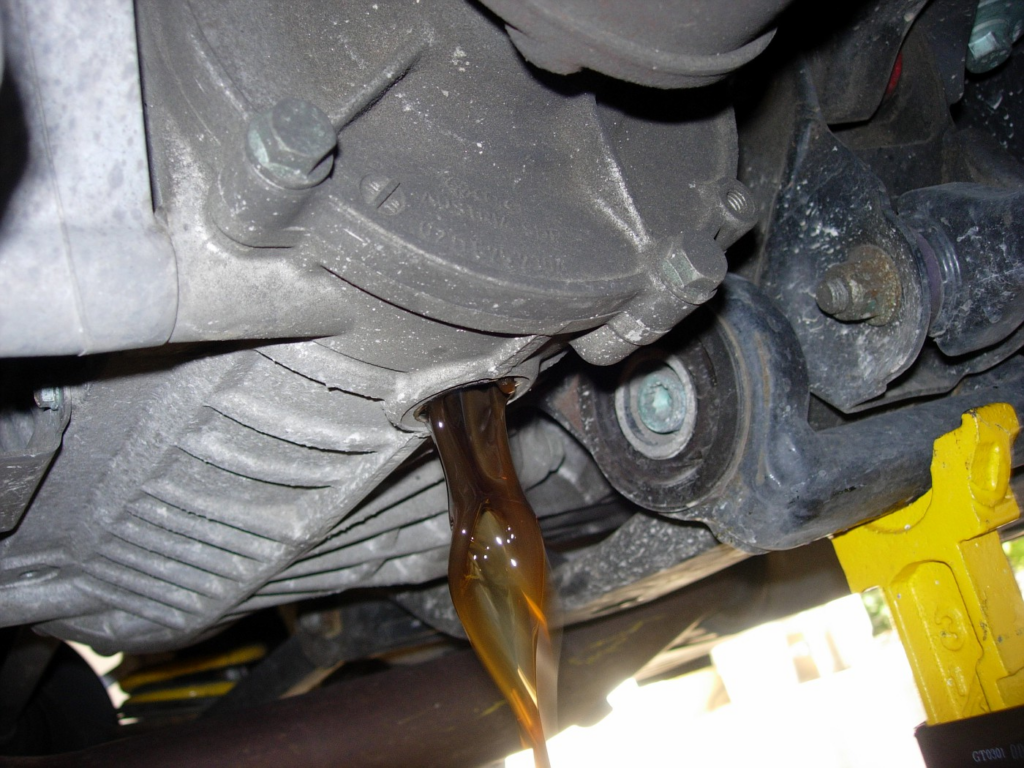
Let's talk about rear differential fluid – a topic often overlooked but crucial for the longevity and performance of your vehicle, especially if you're a seasoned DIYer or someone who enjoys modifying their ride. Understanding when and why to change this fluid is essential for preventing costly repairs and keeping your drivetrain in top shape. This isn't just about maintenance; it's about proactively managing the health of a vital component.
Understanding the Rear Differential
Before diving into fluid change intervals, let's briefly cover what the rear differential does. The differential is a mechanical device that allows each wheel on an axle to rotate at different speeds. This is crucial when cornering because the outside wheel travels a greater distance than the inside wheel. Without a differential, one or both wheels would have to slip, causing instability and tire wear. The rear differential, specifically, is located in the rear axle housing of rear-wheel-drive (RWD) and all-wheel-drive (AWD) vehicles.
Inside the differential, you'll find a complex arrangement of gears: the pinion gear, ring gear, and side gears, all working in unison. These gears are constantly bathed in differential fluid, also sometimes referred to as gear oil, which serves several vital functions:
- Lubrication: Minimizes friction between the gears, preventing wear and tear.
- Cooling: Dissipates heat generated by the gears due to friction.
- Cleaning: Carries away metal particles and other contaminants that can damage the gears.
- Corrosion Prevention: Protects the gears from rust and corrosion.
Over time, the differential fluid degrades. Its lubricating properties diminish, it becomes contaminated with metal particles from gear wear, and its ability to dissipate heat decreases. This is why regular fluid changes are essential.
Factors Affecting Fluid Change Intervals
The recommended interval for changing rear differential fluid varies depending on several factors. Here's a breakdown:
Driving Conditions
This is perhaps the most significant factor. Vehicles subjected to severe driving conditions require more frequent fluid changes. Severe conditions include:
- Towing or hauling heavy loads: This places increased stress on the differential, generating more heat and accelerating fluid degradation.
- Off-roading: Exposure to water, mud, and sand can contaminate the fluid. Plus, the demanding terrain increases gear load.
- Frequent stop-and-go driving: This can lead to increased heat buildup.
- High-performance driving (e.g., track days): Extreme loads and temperatures rapidly degrade the fluid.
If you regularly operate your vehicle under any of these conditions, you should consider shortening the recommended fluid change interval – sometimes by as much as half.
Vehicle Type and Usage
Different vehicles have different differential designs and operating characteristics. A heavy-duty pickup truck used for towing will have different requirements than a passenger car used primarily for commuting. Consult your owner's manual for the manufacturer's specific recommendations. This is the most important place to start.
Fluid Type
The type of differential fluid used also plays a role. Synthetic fluids generally offer superior performance and longevity compared to conventional fluids. They are more resistant to heat and oxidation and provide better lubrication, allowing for longer change intervals. However, always use the correct fluid viscosity specified in your owner's manual. Using the wrong viscosity can damage the differential.
Furthermore, if you have a limited-slip differential (LSD), you'll need to use a fluid specifically designed for LSDs. These fluids contain friction modifiers that allow the clutch packs in the LSD to operate smoothly and prevent chatter. Using the wrong fluid in an LSD can lead to poor performance and premature wear. Limited slip differentials are often found on performance vehicles or trucks with off-road packages.
Modifications
If you've modified your vehicle, particularly if those modifications relate to the drivetrain (e.g., larger tires, lift kits, performance upgrades), you'll likely need to adjust your fluid change intervals. Larger tires increase the load on the differential, while performance upgrades can generate more heat. Consult with a qualified mechanic or performance specialist to determine the appropriate interval based on your specific modifications. Be especially careful with vehicles using positraction or locker modifications.
General Recommendations for Fluid Change Intervals
While the specific interval depends on the factors mentioned above, here are some general guidelines:
- Normal Driving Conditions: Every 30,000 to 60,000 miles.
- Severe Driving Conditions: Every 15,000 to 30,000 miles.
- Vehicles with Limited-Slip Differentials (LSD): Refer to the owner's manual, but typically every 15,000 to 30,000 miles, especially with heavy use.
Always err on the side of caution. It's better to change the fluid too often than not often enough. Regular fluid changes are a relatively inexpensive way to protect your investment and prevent costly repairs.
Checking Your Differential Fluid
In addition to following a regular fluid change schedule, it's a good idea to periodically check the fluid level and condition. Most differentials have a fill plug that can be removed to check the fluid level. The fluid should be level with the bottom of the fill plug hole. Also, inspect the fluid's color and consistency. Dark, sludgy fluid or fluid containing metal particles indicates that it's time for a change. You can also smell the fluid. A burnt smell is a strong indicator of degradation and overheating. Some rear differentials do not have an accessible fill plug, and the cover must be removed to inspect the fluid.
If you're unsure about checking or changing your differential fluid, it's always best to consult with a qualified mechanic. They can inspect your differential, assess the fluid's condition, and recommend the appropriate service interval. Remember, a healthy differential is essential for the safe and reliable operation of your vehicle. Ignoring it can lead to premature wear, expensive repairs, and even potential safety hazards. By understanding the factors that affect fluid degradation and following a regular maintenance schedule, you can keep your differential in top condition for years to come.
Tips for DIY Fluid Change
If you're tackling this job yourself, here are a few tips:
Safety First: Always use jack stands when working under a vehicle. Never rely solely on a jack.
Use the Right Tools: You'll need a wrench or socket to remove the drain and fill plugs, a drain pan to catch the old fluid, a fluid pump to refill the differential, and gloves to protect your hands.
Proper Fluid: Double-check your owner's manual or a reliable parts catalog to ensure you're using the correct type and viscosity of fluid.
Torque Specifications: Tighten the drain and fill plugs to the manufacturer's specified torque. Overtightening can damage the housing.
Proper Disposal: Dispose of the used fluid properly. Take it to a recycling center or auto parts store that accepts used oil.