
How To Bleed Abs Brake Module
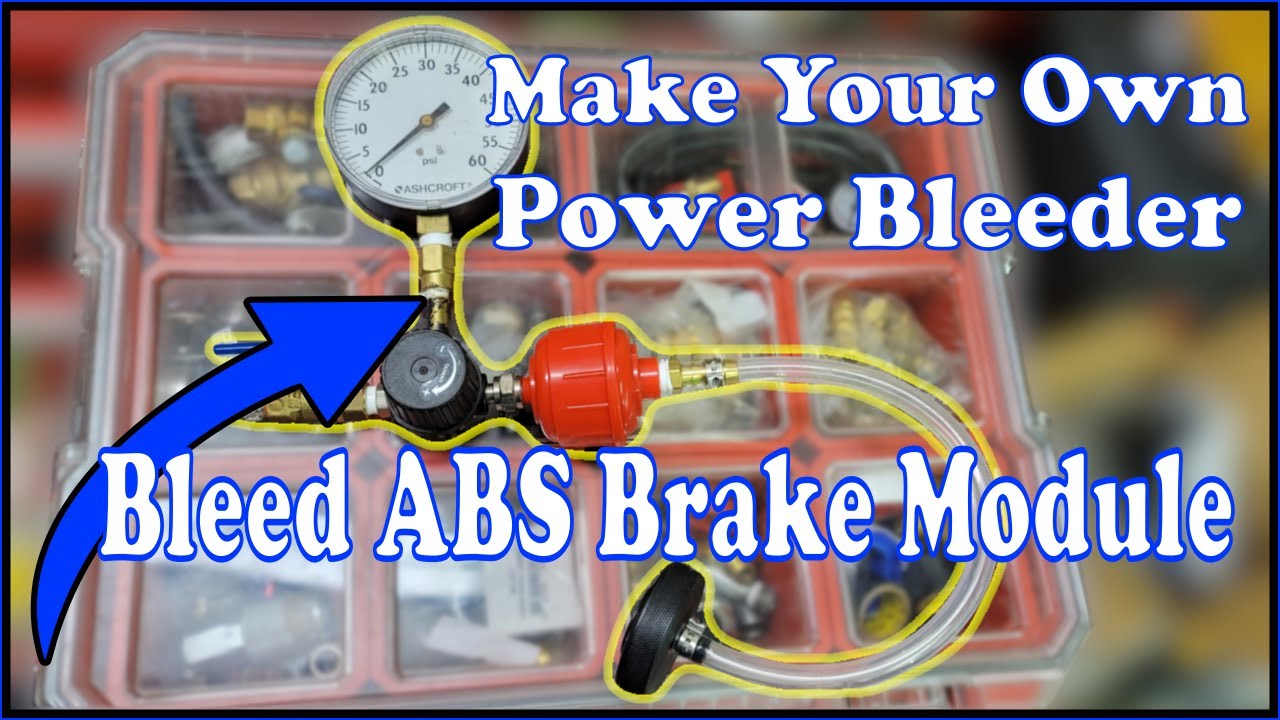
ABS, or Anti-lock Braking System, is a vital safety feature in modern vehicles. It prevents wheel lockup during braking, allowing you to maintain steering control during emergency stops. However, the ABS module, the heart of the system, can sometimes accumulate air, requiring bleeding to restore optimal performance. This article will guide you through the process of how to bleed an ABS brake module, providing you with a clear, step-by-step approach. While this guide offers general advice, always consult your vehicle's repair manual for specific instructions and safety precautions related to your make and model. Working with brake systems requires precision and care, and if you're not comfortable with the process, it's best to seek professional help.
Why Bleed an ABS Brake Module?
Understanding why you need to bleed the ABS module is the first step. Air can enter the ABS module for several reasons, including:
- Low Brake Fluid Levels: Allowing the brake fluid reservoir to run dry can introduce air into the entire braking system, including the ABS module.
- Opening Brake Lines: Whenever you disconnect a brake line, such as when replacing a caliper or brake hose, air can enter the system.
- ABS Module Replacement: Replacing the ABS module itself will almost always require bleeding the system afterward.
- Master Cylinder Issues: Problems with the master cylinder can sometimes cause air to enter the brake lines.
Air in the ABS module compromises the system's effectiveness. It can lead to:
- Spongy Brake Pedal: Air is compressible, while brake fluid is not. This compressibility creates a soft or spongy feel when you press the brake pedal.
- Reduced Braking Performance: The presence of air reduces the braking force applied to the wheels, increasing stopping distances.
- ABS Malfunctions: Air can interfere with the ABS module's ability to accurately regulate brake pressure, leading to ABS errors or failures.
Safety Precautions
Before you begin, safety is paramount. Observe the following precautions:
- Wear Safety Glasses: Brake fluid is corrosive and can cause serious eye irritation. Always wear safety glasses to protect your eyes.
- Wear Gloves: Brake fluid can also irritate the skin. Wear gloves to protect your hands.
- Use the Correct Brake Fluid: Refer to your vehicle's owner's manual to determine the correct type of brake fluid for your vehicle (e.g., DOT 3, DOT 4, DOT 5.1). Using the wrong type can damage the braking system.
- Cleanliness is Key: Prevent dirt and debris from entering the brake system. Keep all tools and work surfaces clean.
- Work in a Well-Ventilated Area: Brake fluid fumes can be harmful. Work in a well-ventilated area.
- Dispose of Brake Fluid Properly: Brake fluid is hazardous waste. Dispose of it properly according to local regulations. Do not pour it down the drain.
Tools and Materials You'll Need
To successfully bleed your ABS brake module, you'll need the following tools and materials:
- New Brake Fluid: Ensure you have enough of the correct type of brake fluid.
- Brake Bleeder Wrench: A wrench that fits the bleeder screws on your brake calipers. A flare nut wrench is preferred to prevent rounding off the bleeder screw.
- Clear Tubing: A length of clear tubing to connect to the bleeder screw. This allows you to see the fluid and any air bubbles.
- Catch Container: A container to collect the old brake fluid.
- Jack and Jack Stands: To safely lift your vehicle.
- Wheel Chocks: To secure the wheels that are not being lifted.
- Shop Rags: To clean up any spills.
- Scan Tool (Optional but Recommended): Some vehicles require a scan tool to activate the ABS module during the bleeding process. Check your vehicle's service manual to see if this is necessary.
- Assistant (Recommended): Having an assistant to pump the brake pedal can make the process easier.
- Vehicle Service Manual: Your vehicle's specific service manual will offer detailed instructions and diagrams.
Methods for Bleeding an ABS Brake Module
There are several methods for bleeding an ABS brake module. The best method for you will depend on your vehicle and the tools you have available.
1. Standard Brake Bleeding (Manual Bleeding)
This method is the most common and relies on manually pumping the brake pedal to force fluid through the system.
- Prepare the Vehicle: Park the vehicle on a level surface, engage the parking brake, and chock the rear wheels. Loosen the lug nuts on the wheels you'll be working on.
- Lift the Vehicle: Use a jack to lift the vehicle and securely support it with jack stands. Never work under a vehicle supported only by a jack. Remove the wheels.
- Locate the Bleeder Screws: Locate the bleeder screws on each brake caliper. They are usually covered with a small rubber cap. Remove the cap.
- Attach the Tubing: Attach one end of the clear tubing to the bleeder screw. Place the other end of the tubing in the catch container, ensuring the end of the tubing is submerged in brake fluid. This prevents air from being sucked back into the system.
- Open the Bleeder Screw: Have your assistant slowly pump the brake pedal several times and hold it down. While your assistant is holding the pedal down, open the bleeder screw. You should see fluid and possibly air bubbles flow into the tubing.
- Close the Bleeder Screw: Before your assistant releases the brake pedal, close the bleeder screw.
- Repeat the Process: Repeat steps 5 and 6 until no more air bubbles are visible in the tubing.
- Tighten the Bleeder Screw: Once you're confident that all the air is out, tighten the bleeder screw to the manufacturer's specified torque. Do not overtighten, as this can damage the bleeder screw.
- Repeat for Each Wheel: Repeat the process for each wheel, following the correct bleeding sequence (usually starting with the wheel furthest from the master cylinder). The standard sequence is right rear, left rear, right front, left front, but always consult your vehicle's service manual for the correct sequence.
- Check Brake Fluid Level: Regularly check the brake fluid reservoir and add fluid as needed to prevent it from running dry.
- Final Check: After bleeding all the wheels, ensure the brake pedal feels firm and responsive.
- Reinstall Wheels: Reinstall the wheels, torque the lug nuts to the correct specification, and lower the vehicle.
2. Pressure Bleeding
Pressure bleeding uses a device to apply pressure to the brake fluid reservoir, forcing fluid through the system. This method is often considered more efficient and less likely to introduce air into the system.
- Follow Steps 1-4 from the Standard Bleeding Method.
- Connect the Pressure Bleeder: Connect the pressure bleeder to the brake fluid reservoir, following the manufacturer's instructions.
- Pressurize the System: Pressurize the system to the recommended pressure (typically around 10-15 psi). Do not exceed the recommended pressure, as this can damage the brake system.
- Open the Bleeder Screw: Open the bleeder screw on one of the calipers. Fluid will flow out, and any air bubbles will be visible in the tubing.
- Close the Bleeder Screw: Once the fluid runs clear and free of air bubbles, close the bleeder screw.
- Repeat for Each Wheel: Repeat the process for each wheel, following the correct bleeding sequence.
- Monitor Brake Fluid Level: Monitor the brake fluid level in the pressure bleeder's reservoir.
- Release Pressure: After bleeding all the wheels, release the pressure in the system.
- Disconnect the Pressure Bleeder: Disconnect the pressure bleeder from the brake fluid reservoir.
- Check Brake Fluid Level: Check and top off the brake fluid level in the master cylinder reservoir.
- Follow Steps 11-12 from the Standard Bleeding Method.
3. Using a Scan Tool to Activate the ABS Module
Some vehicles require a scan tool to activate the ABS module during the bleeding process. This allows the scan tool to cycle the ABS pump and valves to remove trapped air.
- Follow Steps 1-4 from the Standard Bleeding Method.
- Connect the Scan Tool: Connect the scan tool to the vehicle's OBD-II port.
- Select ABS Bleeding Function: Navigate to the ABS bleeding function in the scan tool's menu.
- Follow Scan Tool Instructions: The scan tool will provide step-by-step instructions for bleeding the ABS module. These instructions may involve opening and closing the bleeder screws while the scan tool cycles the ABS pump.
- Bleed Each Wheel: Follow the scan tool's instructions for bleeding each wheel, following the correct bleeding sequence.
- Monitor Brake Fluid Level: Regularly check the brake fluid reservoir and add fluid as needed.
- Disconnect the Scan Tool: Once the ABS bleeding procedure is complete, disconnect the scan tool.
- Follow Steps 11-12 from the Standard Bleeding Method.
Troubleshooting Common Issues
Here are some common issues you may encounter while bleeding your ABS brake module and how to address them:
- Bleeder Screw Stuck: If the bleeder screw is stuck, try applying penetrating oil and letting it soak for a while. If it still won't budge, you may need to use a bleeder screw extractor. Be careful not to break the bleeder screw off inside the caliper.
- Rounded Bleeder Screw: If you round off the bleeder screw, use a bleeder screw extractor or a set of locking pliers to remove it. You'll need to replace the bleeder screw with a new one.
- Air Continues to Come Out: If you continue to see air bubbles after repeated bleeding, check for leaks in the brake lines and fittings. Also, ensure that the bleeder screw is properly tightened. If bleeding manually, ensure the hose is always submerged in fluid to prevent air from being sucked back into the system.
- Spongy Brake Pedal Persists: If the brake pedal still feels spongy after bleeding, there may be other issues with the braking system, such as a faulty master cylinder or worn brake pads.
When to Seek Professional Help
While this guide provides a comprehensive overview of how to bleed an ABS brake module, some situations warrant professional assistance. Consider seeking professional help if:
- You're uncomfortable working on your vehicle's braking system.
- You're unable to resolve persistent issues after attempting to bleed the brakes.
- Your vehicle requires specialized tools or procedures, such as using a high-end scan tool for advanced ABS functions.
- You suspect there may be underlying problems with the braking system, such as a faulty master cylinder or ABS module.
Properly functioning brakes are essential for your safety. Don't hesitate to seek professional help if you're unsure about any aspect of the ABS bleeding process.