
How To Bleed Brakes Without Bleeder Valve
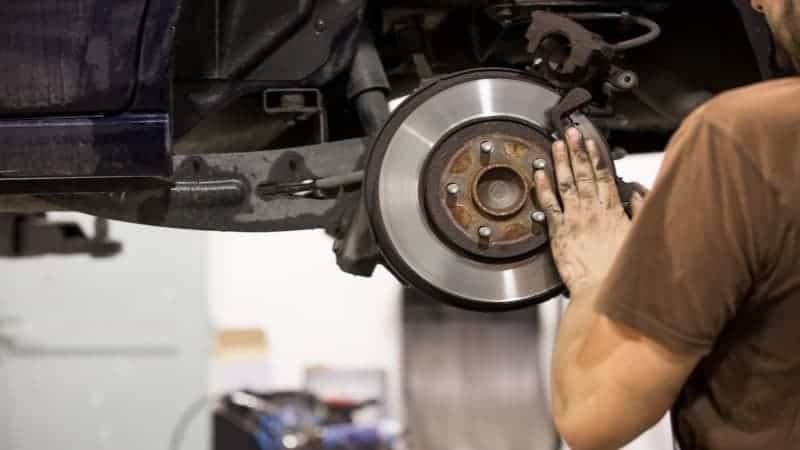
Bleeding your brakes is a crucial maintenance task, vital for ensuring optimal stopping power and overall vehicle safety. Typically, this process involves using bleeder valves located on each brake caliper or wheel cylinder. These valves allow air trapped in the hydraulic system to be purged, restoring firm pedal feel and effective braking. But what happens when these valves are damaged, seized, or missing entirely? While not ideal, bleeding brakes without bleeder valves is possible, though it requires a deeper understanding of the braking system and a more nuanced approach. This article explores the underlying principles and techniques involved in such a scenario, offering a detailed technical explanation for curious minds and amateur engineers.
Understanding the Hydraulic System and Air Entrapment
To effectively bleed brakes without bleeder valves, one must first grasp the fundamental principles of a hydraulic braking system. When you depress the brake pedal, the master cylinder pushes brake fluid through the lines, creating pressure that forces the calipers to clamp down on the rotors (or, in drum brake systems, the wheel cylinders to press the shoes against the drums). This friction slows or stops the vehicle. Brake fluid is essentially incompressible, making it an ideal medium for transmitting force. However, air is compressible. Even a small amount of air trapped within the system can significantly reduce braking effectiveness, leading to a spongy pedal and increased stopping distances.
Air can enter the system in several ways: opening the hydraulic lines during repairs, running the master cylinder dry, corrosion causing leaks, or even microscopic porosity in old brake hoses. Regardless of the entry point, removing this air is paramount for safe and reliable braking.
The Challenges of Bleeding Without Bleeder Valves
The primary purpose of a bleeder valve is to provide a controlled exit point for air and fluid while preventing air from re-entering the system. Its one-way valve design allows fluid and air to escape when the pedal is depressed, but seals shut when the pedal is released, preventing backflow. Without this dedicated exit, the process becomes significantly more complicated. The main challenge is finding an alternative point in the system to introduce a controlled release of fluid and air, while also mitigating the risk of introducing more air. This often involves disconnecting a brake line fitting, performing the bleed, and then quickly re-tightening the fitting – a delicate maneuver requiring precision and careful attention.
Methods for Bleeding Brakes Without Bleeder Valves
Several methods can be employed, each with its own advantages and disadvantages. It's crucial to choose the method best suited to your skills, tools, and the specific vehicle in question.
1. The Brake Line Cracking Method
This is arguably the most common approach, albeit one that demands caution and a thorough understanding of the procedure. It involves slightly loosening a brake line fitting at the caliper or wheel cylinder – typically the fitting connecting the brake line to the flexible brake hose. It's critical to emphasize the word 'slightly'. Loosening it too much will lead to significant fluid loss and potentially damage the fitting. Here's a step-by-step guide:
- Preparation: Gather your tools: a wrench that fits the brake line fitting, a clear hose, a container to collect fluid, and clean brake fluid. Ensure the master cylinder is full of fluid.
- Locate the Fitting: Identify the brake line fitting at the caliper or wheel cylinder you want to bleed.
- Loosening the Fitting: With the wrench securely on the fitting, have a helper slowly depress the brake pedal. While the pedal is depressed (and pressure is built in the system), carefully loosen the fitting just enough to allow fluid and air to escape. You should see fluid and potentially bubbles flowing through the hose into the container.
- Tightening the Fitting: Before your helper releases the brake pedal, immediately and firmly tighten the fitting. This prevents air from being drawn back into the system as the pedal is released.
- Repeat: Repeat steps 3 and 4 until you see a steady stream of fluid without any air bubbles. Continuously check the master cylinder fluid level and replenish as needed to prevent it from running dry.
- Test: After bleeding each wheel, test the brake pedal feel. It should be firm and consistent.
Important Considerations: The success of this method hinges on the speed and precision of tightening the fitting before the brake pedal is released. Using a line wrench is highly recommended as it grips the fitting on more sides, reducing the risk of rounding it off. Also, ensure the helper depressing the brake pedal does so slowly and deliberately to avoid creating excessive pressure or cavitation in the system.
2. Utilizing Diagnostic Scan Tools with ABS Modulation
Modern vehicles equipped with Anti-lock Braking Systems (ABS) often require specialized procedures to properly bleed the brakes. The ABS module contains valves and solenoids that can trap air, even after traditional bleeding methods are employed. Some advanced diagnostic scan tools have the capability to activate these valves and solenoids, allowing the trapped air to be purged. This method is not strictly "bleeding without bleeder valves," but it addresses a related challenge where standard bleeding techniques are insufficient. The process typically involves connecting the scan tool to the vehicle's OBD-II port and following the manufacturer's instructions for ABS brake bleeding. The scan tool will cycle the ABS pump and valves, allowing you to bleed each wheel cylinder or caliper in sequence, usually using the crack-the-line technique described above.
3. Vacuum Bleeding with Modifications
Vacuum bleeding uses a vacuum pump to draw fluid and air out of the brake system. While vacuum bleeders typically attach to bleeder valves, they can be adapted to work with the brake line cracking method. The key is to create a tight seal around the brake line fitting while it's slightly loosened, allowing the vacuum to draw fluid and air without drawing in external air. This can be achieved with careful application of sealing grease or by fabricating a custom adapter. The process involves attaching the vacuum bleeder hose to the modified fitting, applying vacuum, and then slightly loosening the fitting until fluid and air begin to flow. As with the other methods, it's crucial to monitor the master cylinder fluid level and prevent it from running dry.
Safety Precautions and Best Practices
Bleeding brakes, especially without bleeder valves, can be messy and potentially hazardous if not performed correctly. Here are some essential safety precautions and best practices:
- Use Proper Tools: Always use the correct size and type of wrench for the brake line fittings. Line wrenches are highly recommended to prevent rounding off the fittings.
- Wear Safety Glasses: Brake fluid can irritate the eyes.
- Avoid Spilling Brake Fluid: Brake fluid can damage paint. Clean up any spills immediately with water.
- Dispose of Used Brake Fluid Properly: Brake fluid is hazardous waste and should not be disposed of down the drain. Contact your local recycling center or auto parts store for proper disposal methods.
- Check for Leaks: After bleeding the brakes, thoroughly inspect all fittings and connections for leaks.
- Test Brakes Thoroughly: Before driving the vehicle, test the brakes in a safe area to ensure they are functioning properly.
- Consult a Professional: If you are uncomfortable performing any of these procedures, consult a qualified mechanic.
Conclusion
Bleeding brakes without bleeder valves is a challenging but potentially necessary skill. While it requires a deeper understanding of the hydraulic system and careful execution, it can be accomplished with the right tools, knowledge, and a healthy dose of caution. The crack-the-line method, combined with the use of diagnostic scan tools or modified vacuum bleeding techniques, offers viable solutions for restoring proper braking performance when bleeder valves are compromised. However, it's crucial to prioritize safety and seek professional assistance when in doubt. Remember, the integrity of your braking system is paramount for your safety and the safety of others on the road. Therefore, if standard bleeding procedure is not possible, it is always better to seek professional help from certified mechanics.