
How To Break In New Brake Rotors And Pads
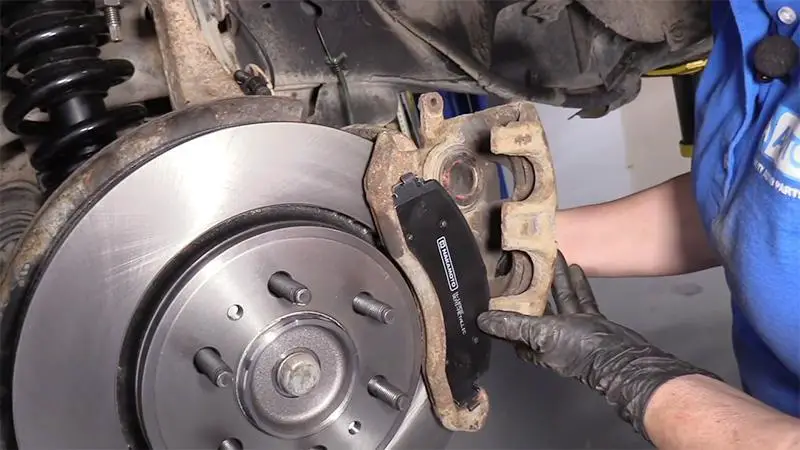
Proper break-in of new brake rotors and pads is crucial for optimal braking performance, longevity, and overall safety. This process, also known as bedding-in, allows the friction materials of the pads to transfer evenly onto the rotor surface, creating a consistent and high-friction interface. Neglecting this step can lead to premature wear, reduced braking power, increased noise, and even rotor warping. This article delves into the technical aspects of brake break-in, comparing different methodologies and discussing their implications for automotive professionals.
The Science Behind Brake Break-In
New brake pads and rotors have surfaces that are not perfectly matched. The break-in process involves controlled heating and cooling cycles to achieve several key objectives:
- Material Transfer: The primary goal is to deposit a thin, uniform layer of brake pad material onto the rotor surface. This layer, often referred to as the "transfer layer," is the actual contact point during braking. Without a proper transfer layer, the pads and rotors rub directly against each other, leading to uneven wear and potential damage.
- Resin Burn-Off: Brake pads contain resins that bind the friction materials together. These resins need to be burned off during the break-in process. Excessive heat during initial hard braking can cause glazing, where the resins melt and create a smooth, hard surface on the pad, reducing its coefficient of friction.
- Surface Hardening: The heat generated during break-in helps to harden the rotor surface, improving its resistance to wear and warping.
Break-In Procedures: A Comparative Analysis
Several break-in procedures exist, but a common and effective method involves a series of moderate to aggressive braking cycles followed by a cool-down period. Here's a breakdown of a typical procedure:
- Initial Low-Speed Bedding: Perform 6-8 moderate stops from approximately 30 mph (48 km/h) down to 10 mph (16 km/h). Allow for sufficient cooling between each stop. The goal here is to gently introduce the pad material to the rotor.
- Aggressive Bedding: Perform 2-3 aggressive stops from approximately 50 mph (80 km/h) down to 20 mph (32 km/h). These stops should be firmer than the previous ones but avoid locking up the brakes.
- Cool-Down Phase: Drive at a moderate speed (around 40 mph or 64 km/h) for at least 5-10 minutes without using the brakes. This allows the rotors and pads to cool down evenly, preventing heat spots and potential warping.
Alternatives and Considerations:
- Manufacturer's Recommendations: Always consult the brake pad and rotor manufacturer's instructions for specific break-in procedures. These instructions may vary depending on the material composition of the pads and rotors. Some manufacturers recommend a different number of stops or speed ranges. Adhering to the manufacturer's guidelines is crucial for warranty considerations.
- Track Day Break-In: For high-performance applications, a more aggressive break-in procedure may be necessary, often involving track-day sessions with controlled braking exercises. This method requires specialized expertise and should only be performed by experienced individuals.
- "No Break-In" Pads: Some manufacturers market "no break-in" pads, claiming they do not require a specific bedding-in process. While these pads may offer reduced noise and dust, they still benefit from a gentle initial bedding to ensure optimal material transfer and long-term performance. Even with these pads, avoid hard stops immediately after installation.
Pros and Cons of Different Break-In Methods
Standard Procedure (as described above):
- Pros: Relatively easy to perform, effective for most street applications, minimizes risk of overheating.
- Cons: Requires a dedicated space to perform the braking cycles safely, may not be sufficient for high-performance applications.
Aggressive/Track Day Break-In:
- Pros: Suitable for high-performance brake systems, ensures optimal material transfer under demanding conditions.
- Cons: Requires significant expertise, risk of overheating and damaging components, may not be suitable for street use.
"No Break-In" Pads:
- Pros: Reduced break-in time, potentially less noise and dust.
- Cons: May not offer the same level of performance as properly bedded-in pads, still benefit from a gentle initial bedding, can be more expensive.
Reliability and Maintenance
A properly executed break-in procedure significantly impacts the long-term reliability of the braking system. Improper break-in can lead to:
- Premature Pad and Rotor Wear: Uneven material transfer and glazing can accelerate wear.
- Brake Fade: Overheating and glazing reduce the coefficient of friction, leading to reduced braking power.
- Rotor Warping: Uneven heating and cooling can cause rotors to warp, resulting in vibrations and noise.
- Brake Noise: Improper material transfer can lead to squealing or grinding noises.
Maintenance Tips:
- Regularly inspect brake pads and rotors for wear.
- Clean brake components to remove debris and dust.
- Monitor brake fluid levels and condition.
- Replace brake pads and rotors as needed, following the manufacturer's recommendations.
Future Trends in Brake Technology
The automotive industry is constantly evolving, and brake technology is no exception. Future trends include:
- Advanced Friction Materials: Development of new materials with improved friction characteristics, wear resistance, and heat dissipation.
- Electromechanical Brakes (EMB): Replacing hydraulic systems with electronically controlled actuators for faster response and improved precision.
- Regenerative Braking: Utilizing electric motors to recover energy during braking in hybrid and electric vehicles.
- AI-Powered Brake Control Systems: Using artificial intelligence to optimize braking performance based on driving conditions and driver behavior.
Conclusion
The brake system is a critical safety component of any vehicle, and proper break-in of new rotors and pads is paramount. By understanding the technical principles behind the bedding-in process, automotive professionals can ensure optimal braking performance, longevity, and safety for their customers. As the automotive industry continues to innovate, staying informed about emerging brake technologies and best practices will be essential for maintaining a high level of expertise and delivering exceptional service.