
How To Bypass 3 Wire Ac Pressure Switch
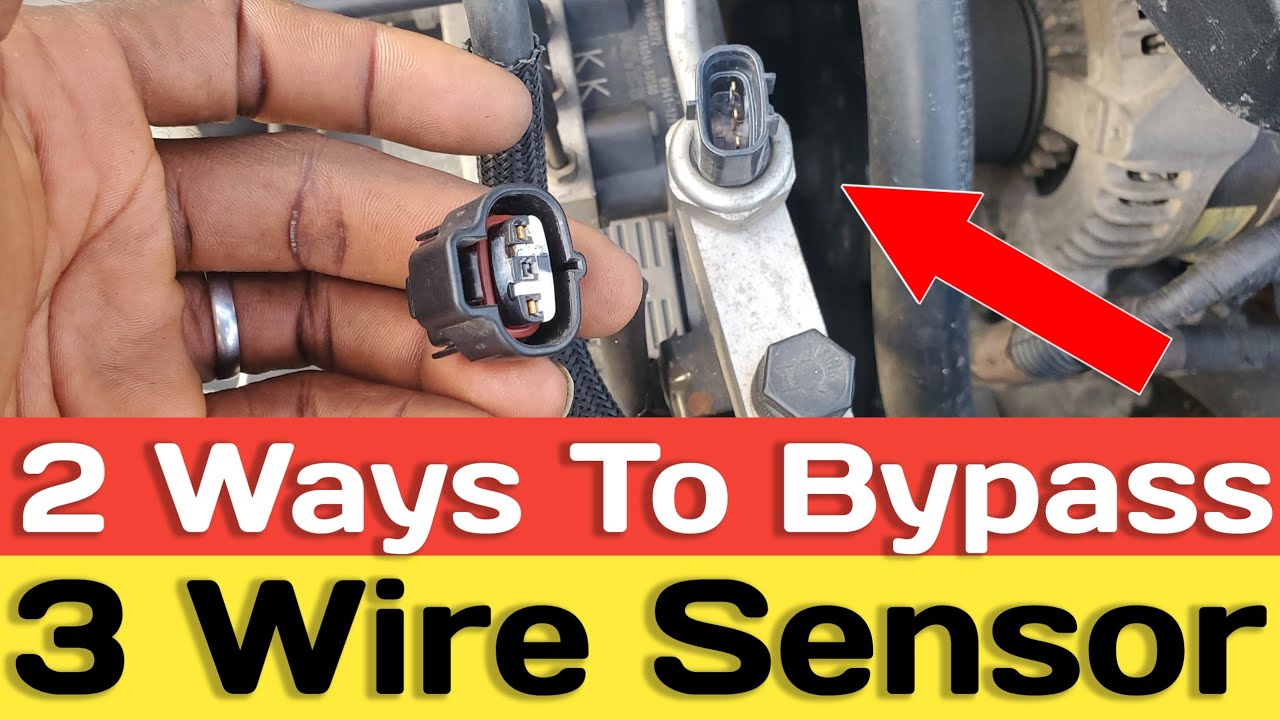
The AC pressure switch is a crucial component of your vehicle's air conditioning system. Its primary function is to protect the compressor from damage by monitoring the refrigerant pressure. If the pressure is too high or too low, the switch will prevent the compressor from engaging, safeguarding it from potential failures. However, in certain diagnostic or emergency situations, you might need to bypass a 3-wire AC pressure switch. This article provides a detailed guide for understanding and safely bypassing these switches, aimed at automotive enthusiasts, mechanics, and car owners with a keen interest in technical knowledge.
Understanding the 3-Wire AC Pressure Switch
Unlike 2-wire pressure switches that simply open or close a circuit, a 3-wire switch often incorporates more sophisticated functionality. It typically uses a 5-volt reference signal from the vehicle's Powertrain Control Module (PCM), a ground, and a signal wire that returns a voltage proportional to the refrigerant pressure. The PCM then uses this voltage to determine if the AC system is operating within acceptable parameters. These switches are commonly found in modern vehicles with more advanced climate control systems.
Before attempting any bypass, it's crucial to understand the wiring diagram specific to your vehicle. Consult your car's repair manual or an online database like Alldata or Mitchell OnDemand to identify the function of each wire. Generally, the wires are:
- Reference Voltage (5V): Provides a stable voltage source for the sensor.
- Ground: Completes the circuit for the sensor.
- Signal Wire: Transmits the pressure reading back to the PCM as a varying voltage.
Why Bypass an AC Pressure Switch?
There are several reasons why you might consider bypassing the AC pressure switch, but it is essential to remember that bypassing is primarily for diagnostic purposes and should not be a long-term solution:
- Diagnosis: To isolate the AC pressure switch as the source of a problem. If the AC system functions correctly when the switch is bypassed, it indicates a faulty switch.
- Refrigerant Charging: During the initial stages of refrigerant charging, especially after replacing components like the compressor or condenser, bypassing the switch can allow the system to run and circulate the refrigerant.
- Emergency Situations: In rare cases where immediate cooling is critical and the switch is suspected to be malfunctioning (though this should be addressed professionally ASAP).
How to Safely Bypass a 3-Wire AC Pressure Switch
Warning: Bypassing the AC pressure switch can potentially damage the compressor if the refrigerant pressure is outside safe limits. Proceed with caution and only for brief diagnostic tests. Always use appropriate personal protective equipment (PPE) such as safety glasses and gloves.
- Identify the Wires: As mentioned earlier, locate the wiring diagram for your vehicle. Accurately identify the 5V reference, ground, and signal wires.
- Measure Voltage: Use a multimeter to verify the presence of 5V on the reference wire with the ignition on. Also, confirm that the ground wire provides a good ground connection.
- Simulate a Valid Pressure Signal: This is where it gets tricky. A direct short circuit is generally *not* the correct way to bypass a 3-wire switch. Instead, you need to simulate a valid pressure reading voltage back to the PCM. This can be done using a variable resistor (potentiometer) between the 5V reference and the signal wire.
- Adjust the Potentiometer: Start with the potentiometer at its highest resistance setting. Slowly decrease the resistance, which will increase the voltage on the signal wire. Monitor the system's behavior. You are aiming for a voltage that the PCM interprets as acceptable refrigerant pressure (typically in the 1-4V range, but refer to your vehicle's specific specifications).
- Observe the AC System: With the simulated signal in place, attempt to engage the AC system. If the compressor engages and the system begins to cool, the original pressure switch is likely faulty.
Important Considerations:
- Avoid Direct Shorting: Never directly short the 5V reference to the signal or ground wire. This can damage the PCM or other electrical components.
- Monitor Pressure: Use AC gauges to monitor the high and low-side pressures while the system is running in bypass mode. This will help you avoid over-pressurizing the system.
- Replace the Switch: Bypassing the switch is not a repair. Once you have confirmed that the switch is faulty, replace it with a new, OEM-quality component.
Real-World Example
Imagine you're working on a 2015 Honda Civic with intermittent AC operation. You suspect a faulty AC pressure switch. Using the steps above, you bypass the switch and simulate a valid pressure signal. The AC compressor now engages reliably. This confirms the switch is indeed the problem, allowing you to confidently order a replacement.
Conclusion
Bypassing a 3-wire AC pressure switch is a valuable diagnostic technique. However, it's crucial to understand the underlying principles and potential risks. Always prioritize safety, use appropriate tools, and consult your vehicle's service manual. Remember, bypassing is a temporary measure; a faulty pressure switch should be replaced promptly to ensure the proper functioning and protection of your vehicle's AC system.