
How To Bypass An Oxygen Sensor
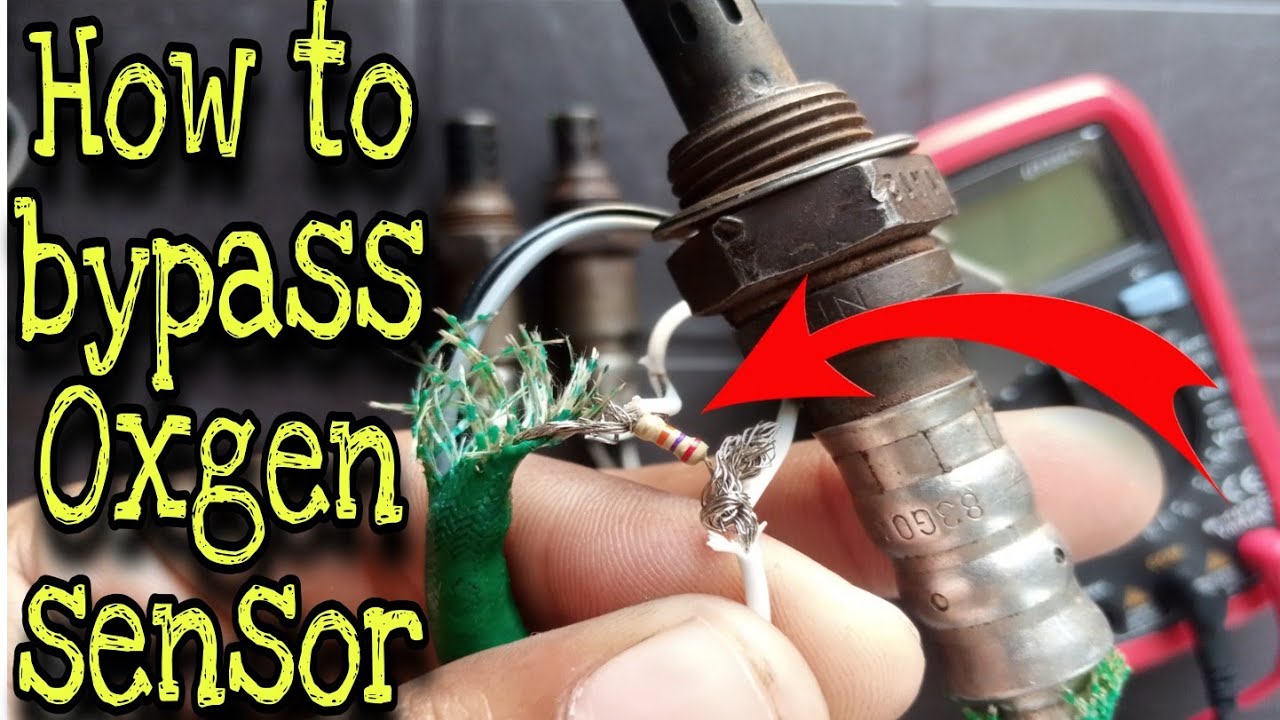
The oxygen sensor, often abbreviated as O2 sensor, is a critical component in a modern vehicle's exhaust system. Its primary function is to measure the amount of oxygen present in the exhaust gases after combustion. This information is relayed to the engine control unit (ECU), which then adjusts the air-fuel mixture to optimize engine performance, fuel efficiency, and minimize harmful emissions. While bypassing an O2 sensor might seem like a shortcut, it's crucial to understand the potential ramifications and the underlying technology before attempting any such modification. This guide will delve into the technical aspects of O2 sensor operation and explore theoretical bypass methods, emphasizing the associated risks and ethical considerations.
Understanding Oxygen Sensor Operation
Modern vehicles typically employ two types of O2 sensors: upstream (pre-catalytic converter) and downstream (post-catalytic converter) sensors. Each sensor plays a distinct role in the engine management system.
Upstream O2 Sensor
The upstream sensor, positioned before the catalytic converter, is primarily responsible for providing feedback on the air-fuel ratio. It's typically a wideband or narrowband sensor. Narrowband sensors generate a voltage signal that switches abruptly around the stoichiometric point (14.7:1 air-fuel ratio), indicating whether the mixture is lean (excess oxygen) or rich (insufficient oxygen). Wideband sensors, on the other hand, provide a more precise and continuous voltage signal proportional to the air-fuel ratio, allowing the ECU to make finer adjustments. These sensors are crucial for closed-loop fuel control.
The sensing element itself is usually made of zirconia (ZrO2) or titania (TiO2). Zirconia sensors, the more common type, generate a voltage based on the difference in oxygen concentration between the exhaust gas and the ambient air. Titania sensors, conversely, change their electrical resistance depending on the oxygen concentration. Both types require a high operating temperature (typically around 600°F or 315°C) to function correctly, which is why they incorporate a heating element.
Downstream O2 Sensor
The downstream sensor, located after the catalytic converter, primarily monitors the efficiency of the catalytic converter. It measures the oxygen content of the exhaust gases after they've passed through the converter. A properly functioning catalytic converter should significantly reduce the oxygen content. The ECU compares the signals from the upstream and downstream sensors. If the downstream sensor detects a similar level of oxygen as the upstream sensor, it indicates that the catalytic converter is not functioning correctly, triggering a fault code (e.g., P0420 - Catalyst System Efficiency Below Threshold).
Reasons for Considering a Bypass (and Why They're Generally Ill-Advised)
While attempting to bypass an O2 sensor is generally discouraged, there are a few (usually misguided) reasons why someone might consider it:
- Faulty Sensor: If an O2 sensor fails, it can trigger a check engine light and negatively impact engine performance. Some might attempt a bypass instead of replacing the sensor.
- Catalytic Converter Removal: In some regions, people remove catalytic converters for performance gains or due to cost. This almost always necessitates disabling or tricking the downstream O2 sensor to avoid a fault code.
- Performance Modifications: Some modifications, such as aftermarket headers, can alter exhaust flow and potentially affect O2 sensor readings. A bypass might be attempted to compensate.
It is crucial to understand that bypassing an O2 sensor is often illegal and can have severe environmental consequences. Tampering with emissions control systems can result in fines and failed inspections. Furthermore, it can negatively impact engine performance and fuel economy in the long run.
Methods of Bypassing an Oxygen Sensor (Theoretically)
It's important to reiterate that these methods are presented for informational purposes only. Implementing them is highly discouraged and potentially illegal.
1. The "O2 Simulator" or "Mini-Cat"
This is perhaps the most common "bypass" method. A mini-catalytic converter, often referred to as an O2 simulator, is a small, secondary catalytic converter installed between the downstream O2 sensor and the exhaust pipe. It aims to clean the exhaust gases immediately before they reach the sensor, effectively mimicking the function of a properly working catalytic converter. This tricks the ECU into thinking the catalytic converter is functioning within acceptable parameters. The effectiveness of this method varies depending on the vehicle and the severity of the actual catalytic converter issue. It is essentially a cheating device.
2. Electronic O2 Sensor Simulator
An electronic O2 sensor simulator generates a synthetic voltage signal that mimics the output of a functioning O2 sensor. These devices allow you to adjust the voltage output, effectively telling the ECU whatever you want it to hear. They are more complex than mini-cats and require some knowledge of electronics and engine management systems to install and configure correctly. They are also significantly more expensive.
These simulators typically have potentiometers or other adjustment mechanisms to fine-tune the signal to the desired range. The effectiveness depends on the sophistication of the ECU and its ability to detect inconsistencies in the signal. A poorly configured simulator can easily be detected and trigger other fault codes.
3. ECU Remapping (Tuning)
This is the most sophisticated and potentially the most effective method, but also the most complex and risky. It involves modifying the ECU software to ignore the signal from the O2 sensor entirely or to adjust the parameters used to diagnose catalytic converter efficiency. This requires specialized software, hardware, and a deep understanding of engine management systems.
ECU remapping can be used to completely disable the downstream O2 sensor, preventing it from triggering a fault code even if the catalytic converter is removed. However, it can also mask other underlying engine problems and make it more difficult to diagnose issues in the future. Furthermore, altering the ECU's calibration can have unintended consequences, such as reduced engine reliability or increased emissions.
4. Resistor/Capacitor "Trick" (Generally Ineffective)
Some older, less sophisticated vehicles could be fooled by simply adding a resistor or capacitor in series with the O2 sensor signal wire. This changes the voltage output, but modern ECUs are far more sophisticated and can easily detect this manipulation. This method is highly unlikely to work on any vehicle manufactured in the last 20 years.
Potential Risks and Consequences
Attempting to bypass an O2 sensor carries several risks:
- Check Engine Light: Even with a bypass, the check engine light may still illuminate if the ECU detects other discrepancies or inconsistencies in the system.
- Reduced Fuel Economy: The O2 sensor plays a crucial role in optimizing the air-fuel ratio. Bypassing it can lead to a richer or leaner mixture than ideal, resulting in reduced fuel economy.
- Increased Emissions: Tampering with emissions control systems directly leads to increased emissions of harmful pollutants.
- Engine Damage: An improperly configured air-fuel ratio can lead to engine damage, such as overheating or detonation.
- Failed Inspections: Most jurisdictions require vehicles to pass emissions inspections. Bypassing an O2 sensor will almost certainly result in a failed inspection.
- Legal Consequences: Tampering with emissions control systems is often illegal and can result in fines and other penalties.
Ethical Considerations
Beyond the legal and technical aspects, there are ethical considerations associated with bypassing an O2 sensor. Emissions control systems are designed to protect the environment and public health. Tampering with these systems contributes to air pollution and degrades air quality. While individual actions may seem insignificant, the cumulative effect of many people bypassing emissions controls can have a substantial impact.
Conclusion
While various methods exist to theoretically bypass an O2 sensor, doing so is generally ill-advised due to the potential risks, consequences, and ethical considerations. The benefits, if any, are often outweighed by the potential negative impacts on engine performance, fuel economy, emissions, and the environment. Instead of attempting a bypass, it is always recommended to properly diagnose and repair any issues with the O2 sensor or catalytic converter. Consulting with a qualified mechanic is the best course of action to ensure that your vehicle is operating safely and efficiently while complying with all applicable regulations. Bypassing an O2 sensor is a short-term solution with potentially long-term detrimental effects.