
How To Check A Air Conditioner Compressor
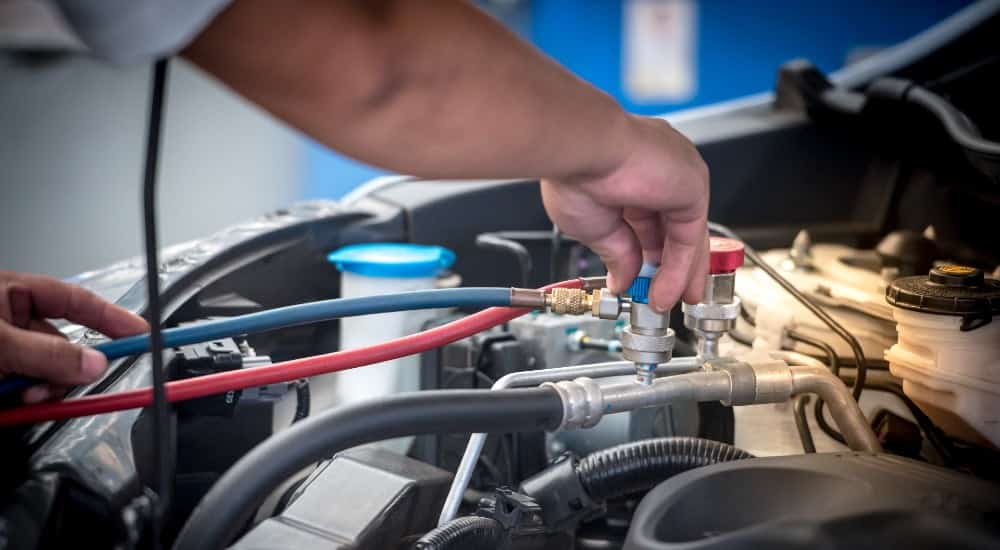
Diagnosing air conditioning (A/C) system issues often leads to inspecting the heart of the system: the compressor. This component is responsible for circulating refrigerant, increasing its pressure and temperature, allowing the system to effectively cool the vehicle's cabin. A failing compressor can manifest in various ways, from a complete lack of cooling to intermittent performance or unusual noises. This article delves into the intricacies of compressor checks, exploring different methods, comparing compressor types, and addressing reliability and maintenance, all with an eye towards future trends.
Initial Assessment: Symptoms and Preliminary Checks
Before diving into intricate testing, a thorough initial assessment is crucial. Begin by listening for unusual noises – squealing, grinding, or knocking sounds emanating from the compressor area. These can indicate internal wear, bearing failure, or clutch problems. Check the A/C clutch for proper engagement when the A/C system is activated. A properly functioning clutch should audibly click and visibly engage. If the clutch isn't engaging, investigate the following:
- Electrical Power: Ensure the compressor is receiving power. Use a multimeter to check for voltage at the compressor's electrical connector when the A/C is switched on.
- A/C Relay: A faulty relay can prevent power from reaching the compressor. Test the relay using a multimeter or by swapping it with a known good relay of the same type.
- Pressure Switches: High- and low-pressure switches protect the compressor from damage. If the refrigerant pressure is outside the acceptable range, these switches will prevent the compressor from engaging. Use a scan tool to check the refrigerant pressure readings.
- Fuse: Check the A/C compressor fuse for a blown filament.
If the clutch engages, but cooling is still poor, the issue might lie within the compressor itself or elsewhere in the system (e.g., refrigerant leaks, clogged orifice tube, expansion valve issues). Proceed to the next level of diagnostics.
Compressor Performance Testing: High and Low-Side Pressures
A primary method for assessing compressor performance involves measuring the high-side and low-side pressures of the A/C system using manifold gauges. This test provides valuable insights into the compressor's ability to pump refrigerant and maintain pressure differentials.
- Connect Manifold Gauges: Properly connect the manifold gauges to the high- and low-side service ports on the A/C system.
- Run the Engine: Start the engine and turn on the A/C system to maximum cooling.
- Analyze Pressure Readings: Compare the pressure readings to the vehicle manufacturer's specifications. Typical readings vary depending on ambient temperature and humidity. However, a significantly low high-side pressure or a high low-side pressure often indicates a weak or failing compressor.
Technical Note: Understanding the relationship between pressure and temperature is critical. Use a pressure-temperature (P-T) chart to correlate refrigerant pressure to its saturation temperature. Discrepancies between the expected saturation temperature and the actual temperature can indicate refrigerant contamination or compressor inefficiency.
Compressor Types: Swash Plate vs. Scroll
Automotive A/C compressors generally fall into two main categories: swash plate compressors and scroll compressors. Each type utilizes a different mechanism to compress refrigerant.
- Swash Plate Compressors: These compressors use a rotating swash plate to reciprocate pistons within cylinders, drawing in and compressing refrigerant. They are typically more robust and easier to service, but can be noisier than scroll compressors.
- Scroll Compressors: Scroll compressors use two interleaved spiral-shaped scrolls, one fixed and one orbiting, to compress refrigerant. They offer smoother, quieter operation and generally higher efficiency, but are more complex and potentially more expensive to repair.
The choice between these types often depends on factors such as vehicle cost, performance requirements, and packaging constraints. Newer vehicles increasingly favor scroll compressors due to their efficiency advantages.
Alternative Diagnostics and Specialized Tools
While pressure testing provides a good overview, other diagnostic methods can pinpoint specific compressor issues:
- Compressor Efficiency Test: Some diagnostic tools can calculate compressor efficiency based on pressure readings and refrigerant flow rates, providing a more precise assessment of performance.
- Refrigerant Analysis: Analyzing the refrigerant for contamination (e.g., moisture, air, non-condensable gases) can reveal underlying system issues that may be affecting compressor performance.
- Borescope Inspection: In some cases, a borescope can be used to visually inspect the internal components of the compressor for damage or wear.
Reliability, Maintenance, and Best Practices
Compressor longevity depends heavily on proper maintenance. Regularly checking and maintaining the A/C system, including refrigerant levels and belt tension, can significantly extend compressor life. Avoiding system overcharges and ensuring proper lubrication with the correct type of refrigerant oil are also crucial. When replacing a compressor, always flush the entire A/C system to remove contaminants and debris that could damage the new compressor. Replace the receiver drier/accumulator, orifice tube or expansion valve as recommended.
Future Trends in A/C Compressors
The automotive industry is rapidly evolving, and A/C compressors are no exception. Expect to see further advancements in efficiency, with electrically driven compressors becoming increasingly common in hybrid and electric vehicles. These compressors offer greater control and efficiency, allowing for optimized cooling performance and reduced energy consumption. Furthermore, the transition to new refrigerants with lower global warming potential (GWP) will necessitate compressor designs optimized for these alternative fluids. Expect to see innovations in compressor materials and coatings to enhance durability and compatibility with new refrigerants.
Pros and Cons Comparison:
| Feature | Swash Plate Compressor | Scroll Compressor |
|---|---|---|
| Efficiency | Lower | Higher |
| Noise | Noisier | Quieter |
| Complexity | Less Complex | More Complex |
| Cost | Generally Lower | Generally Higher |
| Reliability | Potentially Higher (Depending on Design) | Potentially Lower (Depending on Design) |
Conclusion
Diagnosing A/C compressor issues requires a systematic approach, combining visual inspection, pressure testing, and specialized tools. Understanding the different compressor types and their operating principles is essential for accurate diagnosis and effective repair. As the automotive industry continues to embrace electrification and alternative refrigerants, automotive professionals must stay informed about the latest advancements in A/C compressor technology to provide optimal service and maintenance for their customers. The future of automotive A/C systems is geared towards greater efficiency, sustainability, and integration with vehicle electronics, requiring ongoing adaptation and learning for all involved in the field.