
How To Check The Blower Motor
So, you're cruising down the road, windows up, AC cranked… but nothing. Just the faint hum of the engine and the unsettling silence of a ventilation system gone rogue. Chances are, your blower motor has decided to call it quits. Before you resign yourself to a sweaty commute or a defogger-less winter, let's dive into the art and science of diagnosing a dead (or dying) blower motor. This isn't just about finding a broken part; it's about understanding how these systems vary and equipping you with the knowledge to tackle the issue, regardless of your ride.
Understanding the Blower Motor Circuit
At its core, the blower motor circuit is surprisingly simple: battery power flows through a fuse, then to a blower motor resistor (or a blower motor control module in newer cars), then to the blower motor itself, and finally to ground. The blower motor resistor (or module) controls the fan speed by varying the voltage supplied to the motor. A failing component anywhere in this circuit can cause a dead or malfunctioning blower.
Where Things Get Tricky: Model-Specific Variations
While the fundamental principle remains the same, the implementation can vary drastically between vehicles. Let's look at some key differences:
- Location: The blower motor is typically located under the dashboard on the passenger side, but some vehicles (especially older ones or certain trucks) might hide it behind the glove box or even under the hood. Consult your owner's manual or a repair database for the specific location on your car.
- Resistor vs. Module: Older vehicles traditionally used a blower motor resistor to control fan speed. These resistors are relatively inexpensive and straightforward. Newer vehicles are increasingly using blower motor control modules. These modules are more sophisticated and offer finer control over fan speed, but they're also more expensive and can be more complex to diagnose.
- Access: Some blower motors are easily accessible with just a few screws. Others require contortionist-level flexibility and the removal of multiple trim pieces.
- Climate Control Systems: Vehicles with automatic climate control systems introduce additional complexity. The system will communicate with the blower motor control module, adjusting the fan speed based on sensor readings and driver preferences. This means a problem could lie with a sensor, the control module, or the blower motor itself.
The Diagnostic Process: A Step-by-Step Guide
Here's a general approach to diagnosing a blower motor issue. Remember to always disconnect the negative battery terminal before working on electrical components!
- Check the Fuse: This is the simplest and often overlooked step. Locate the fuse for the blower motor (refer to your owner's manual) and inspect it. If it's blown, replace it with a fuse of the same amperage. If the fuse blows again immediately, there's likely a short circuit somewhere in the system.
- Test the Blower Motor Resistor/Module:
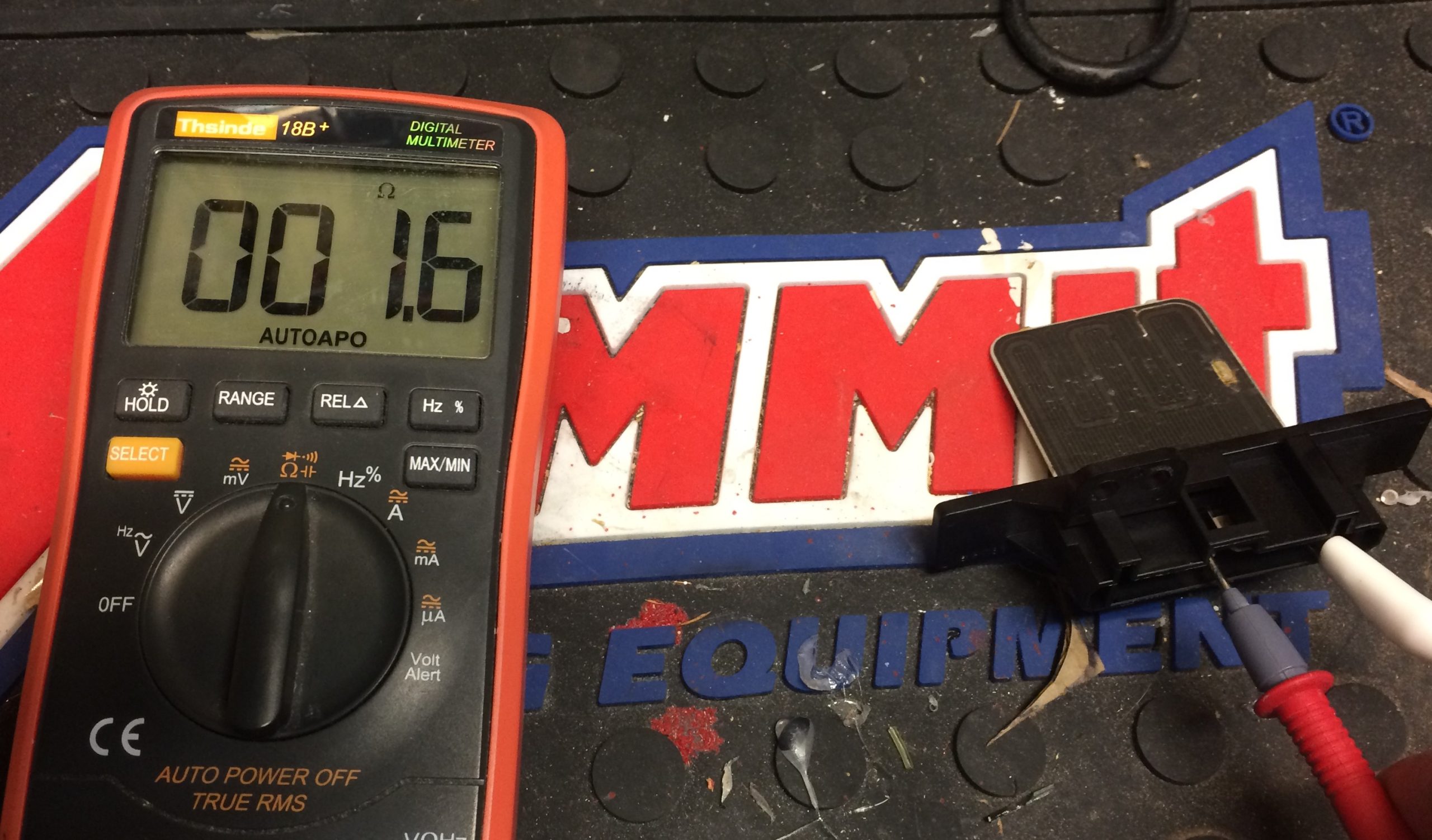
- Resistor: If your car has a blower motor resistor, you can test it with a multimeter. Check for continuity between the terminals. If there's no continuity, the resistor is bad. Also, look for signs of damage, such as burnt or broken coils.
- Module: Testing a blower motor control module is more complex and often requires a scan tool that can read diagnostic trouble codes (DTCs). However, you can often visually inspect the module for signs of damage, such as burnt connectors or cracked housings.
- Test the Blower Motor Directly: Disconnect the blower motor connector and use jumper wires to connect the motor directly to the battery (positive to positive, negative to negative). Be careful! The motor should spin at full speed. If it doesn't, the motor is likely bad. If it spins slowly or erratically, it's also likely bad. If the motor spins perfectly when directly connected to the battery, the problem lies elsewhere in the circuit (fuse, resistor/module, wiring).
- Check the Wiring and Connectors: Inspect the wiring harness and connectors leading to the blower motor, resistor/module, and fuse box. Look for signs of corrosion, damage, or loose connections. Clean any corroded connections with electrical contact cleaner.
Spec Table: Resistor vs. Module
| Feature | Blower Motor Resistor | Blower Motor Control Module |
|---|---|---|
| Complexity | Simple | Complex |
| Cost | Low | High |
| Control | Limited (discrete fan speeds) | Precise (variable fan speeds) |
| Reliability | Generally reliable | Can be prone to failure due to heat and complexity |
| Diagnostics | Easy to test with a multimeter | Requires a scan tool for comprehensive diagnostics |
Pros and Cons: Blower Motor Resistor
- Pros:
- Inexpensive to replace
- Simple to diagnose
- Generally reliable
- Cons:
- Limited fan speed control
- Wasteful of energy (dissipates excess voltage as heat)
Pros and Cons: Blower Motor Control Module
- Pros:
- Precise fan speed control
- More energy-efficient
- Often integrated with automatic climate control systems
- Cons:
- Expensive to replace
- More complex to diagnose
- Can be prone to failure due to heat and complexity
Real-World Driving Impressions
I recently encountered a failing blower motor in my project car, a 1998 BMW 328i (E36). It had the classic resistor setup. The first sign was that only the highest fan speed worked. This is a telltale sign of a failing resistor. The lower speeds rely on the resistor to drop the voltage, and when it fails, only the full 12V makes it to the motor. Replacement was straightforward – a few screws and a new resistor from my local parts store. Total cost: around $30 and about 30 minutes of my time.
On the other hand, a friend of mine was dealing with a blower motor issue on his 2015 Audi A4 (B8). This car has a blower motor control module. In his case, the fan would intermittently cut out, and sometimes blow at full speed regardless of the setting. He initially suspected the motor, but a scan tool revealed a fault code related to the control module. Replacing the module was a more involved process, requiring access under the dash and careful coding of the new module to integrate it with the car's computer system. The cost was significantly higher, too – several hundred dollars for the module and labor.
The experience highlights the differences. With the older BMW, the issue was relatively simple and inexpensive to resolve. The Audi, with its more advanced system, required more specialized knowledge and equipment, and the cost was significantly higher.
When to Call a Pro
While many blower motor issues can be tackled by the DIY enthusiast, there are times when it's best to call in a professional:
- Complex Diagnostic Codes: If your scan tool is throwing complex diagnostic codes that you don't understand, it's best to consult a qualified technician.
- Wiring Problems: If you suspect a wiring problem or short circuit, it's best to leave it to a professional. Electrical repairs can be dangerous if not performed correctly.
- Automatic Climate Control Issues: Diagnosing issues with automatic climate control systems can be complex and often requires specialized equipment.
- You're Just Not Comfortable: If you're not comfortable working on your car's electrical system, it's always best to err on the side of caution and take it to a professional.
Final Thoughts
Checking and diagnosing your blower motor can be a surprisingly rewarding experience. It allows you to understand a crucial part of your car's comfort system, and in many cases, save a significant amount of money by doing the repair yourself. Remember to always prioritize safety, consult your vehicle's repair manual, and don't be afraid to ask for help when needed.
Now, for the fun part: which is better, the simplicity of a resistor-based system or the advanced control of a module-based system? Let the debate begin!