
How To Check Tire Pressure On Honda Civic
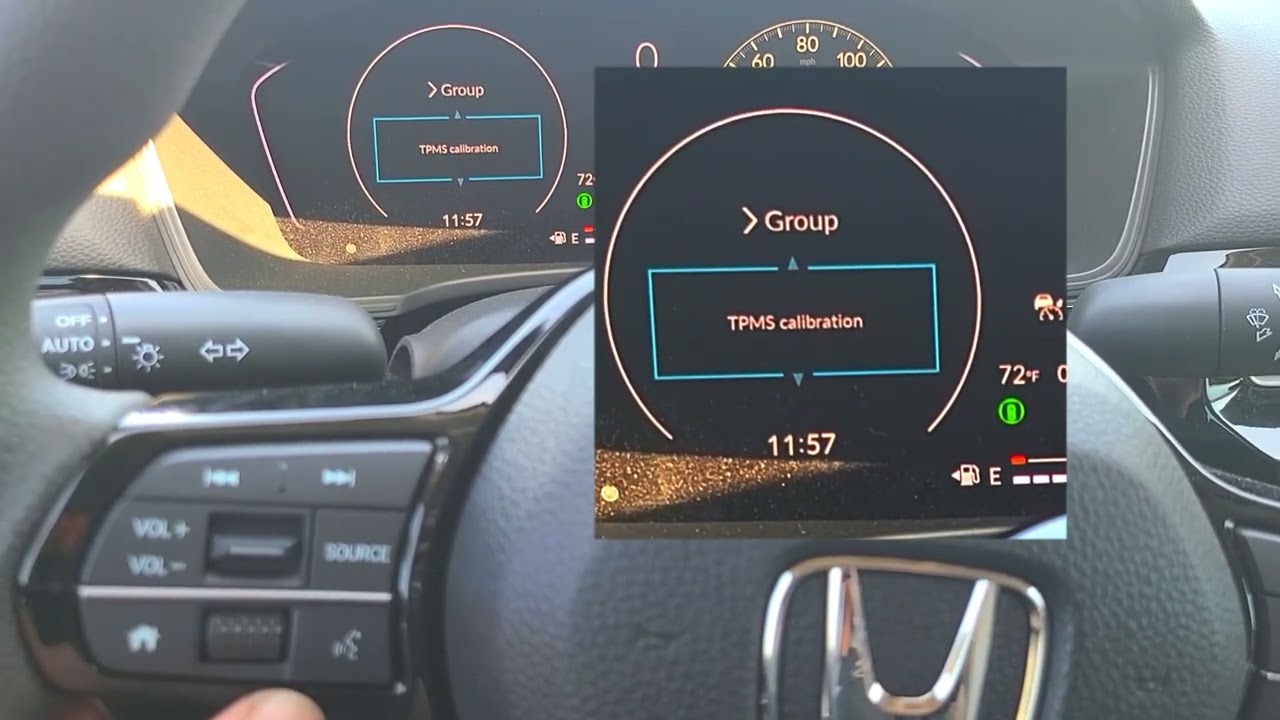
Ensuring your Honda Civic's tires are properly inflated is paramount for safe driving, fuel efficiency, and tire longevity. It's a simple task, but understanding the why and how of tire pressure checks can significantly improve your driving experience and save you money in the long run. This guide will walk you through the process, providing not just instructions, but also the technical rationale behind each step.
Understanding Tire Pressure: The Fundamentals
Tire pressure, typically measured in pounds per square inch (PSI) or kilopascals (kPa), represents the amount of air compressed inside your tire. This pressure is critical for maintaining the tire's shape, providing adequate load-carrying capacity, and ensuring optimal contact with the road surface. Think of it like this: a properly inflated tire is like a supportive, well-built bridge, distributing weight evenly and allowing for efficient movement. An underinflated tire is like a sagging bridge, straining under the load and wasting energy. An overinflated tire is like a rigid bridge, transmitting every bump and jolt to the vehicle and reducing contact area.
Why is proper tire pressure so important? There are several key reasons:
- Safety: Underinflated tires can overheat due to increased flexing of the sidewalls. This overheating can lead to a tire blowout, a dangerous situation, especially at high speeds. Overinflated tires, on the other hand, reduce the contact patch between the tire and the road, diminishing grip and increasing the risk of skidding, especially in wet or icy conditions.
- Fuel Efficiency: Underinflated tires increase rolling resistance, meaning your engine has to work harder to move the car forward. This translates directly into lower fuel economy. Studies have shown that even slightly underinflated tires can reduce fuel efficiency by as much as 3%. Overinflated tires can slightly improve fuel efficiency, but at the expense of ride comfort and tire wear.
- Tire Wear: Improper inflation leads to uneven tire wear. Underinflation causes wear on the outer edges of the tire, while overinflation causes wear in the center of the tire. Maintaining the correct pressure ensures that the tire wears evenly across its tread, maximizing its lifespan.
- Handling: Tire pressure directly affects the vehicle's handling characteristics. Underinflated tires can make the steering feel sluggish and unresponsive, while overinflated tires can make the ride harsh and bouncy, reducing stability and control.
Locating the Recommended Tire Pressure for Your Honda Civic
The first crucial step is to determine the recommended tire pressure for your specific Honda Civic model. Do not rely on the maximum pressure stamped on the tire sidewall! This number indicates the maximum pressure the tire can handle, not the optimal pressure for your vehicle.
The recommended tire pressure for your Civic is typically found in one of two places:
- The Driver's Side Doorjamb: Look for a sticker on the driver's side doorjamb, often near the latch. This sticker will display the recommended tire pressure for both the front and rear tires.
- The Owner's Manual: The owner's manual contains a wealth of information about your vehicle, including the recommended tire pressure. Consult the index or table of contents to find the relevant section.
The sticker or owner's manual may list different pressures for different driving conditions (e.g., normal load vs. maximum load). Pay close attention to these distinctions and choose the pressure that best suits your typical driving scenario.
It's also important to note that the recommended tire pressure is often listed in both PSI and kPa. Be sure to use the correct unit when inflating your tires.
Gathering the Necessary Tools
You'll need a few simple tools to check and adjust your tire pressure:
- Tire Pressure Gauge: A reliable tire pressure gauge is essential. There are two main types:
- Digital Gauges: Digital gauges provide a precise digital readout, making them easy to read. They are generally more accurate than analog gauges.
- Analog Gauges (Stick Gauges): Analog gauges are less expensive and don't require batteries. They use a sliding stick to indicate the pressure. While less precise, they are still perfectly adequate for most users.
- Air Compressor: An air compressor is needed to inflate your tires if the pressure is low. You can use a portable air compressor that plugs into your car's 12V outlet, or you can visit a gas station that offers air compressor services.
Step-by-Step Guide to Checking and Adjusting Tire Pressure
- Park on a Level Surface: Park your Honda Civic on a level surface and engage the parking brake. This ensures accurate pressure readings.
- Remove the Valve Cap: Locate the valve stem on each tire and remove the valve cap. Store the cap in a safe place so you don't lose it.
- Apply the Tire Pressure Gauge: Press the tire pressure gauge firmly onto the valve stem. Ensure a tight seal to prevent air from escaping. You should hear a slight hissing sound if the seal isn't perfect.
- Read the Pressure: For digital gauges, the pressure will be displayed on the screen. For analog gauges, the stick will extend, indicating the pressure on the scale.
- Compare to the Recommended Pressure: Compare the measured pressure to the recommended pressure listed on the doorjamb sticker or in the owner's manual.
- Adjust the Pressure (If Necessary):
- If the pressure is too high: Gently press the center pin inside the valve stem with a small tool (or the back of the tire pressure gauge) to release air. Check the pressure again after releasing a small amount of air. Repeat until the pressure is correct. Be careful not to release too much air at once!
- If the pressure is too low: Connect the air compressor hose to the valve stem and inflate the tire to the recommended pressure. Check the pressure frequently during inflation to avoid overfilling.
- Replace the Valve Cap: Once the pressure is correct, replace the valve cap tightly. The valve cap helps to prevent dirt and moisture from entering the valve stem.
- Repeat for All Tires: Repeat the process for all four tires (and the spare tire, if applicable).
Important Considerations and Best Practices
- Check Tire Pressure When Tires Are Cold: For the most accurate readings, check your tire pressure when the tires are cold, meaning they haven't been driven on for at least three hours. Driving heats up the tires, which increases the air pressure inside.
- Check Tire Pressure Regularly: It's a good idea to check your tire pressure at least once a month and before any long trips. Tires naturally lose pressure over time due to permeation (air escaping through the tire walls) and temperature fluctuations.
- Visual Inspection: While checking the pressure, also visually inspect your tires for any signs of damage, such as cuts, bulges, or uneven wear. Address any issues promptly.
- Nitrogen Inflation: Some people opt to inflate their tires with nitrogen instead of regular air. Nitrogen is a larger molecule than oxygen, so it escapes the tire more slowly, leading to more stable tire pressure over time. While nitrogen inflation can be beneficial, it's not strictly necessary for most drivers.
- TPMS (Tire Pressure Monitoring System): Modern Honda Civics are equipped with a Tire Pressure Monitoring System (TPMS). This system alerts you when the tire pressure is significantly low. However, it's still important to manually check your tire pressure regularly, as the TPMS typically only activates when the pressure drops below a certain threshold.
- After Inflation: Drive slowly and cautiously for the first few miles after inflating your tires, especially if you had to add a significant amount of air. This allows the tire to equilibrate and the sensors in the TPMS to recalibrate if needed.
By following these steps and understanding the principles behind tire pressure management, you can ensure the safety, efficiency, and longevity of your Honda Civic and its tires. Consistent monitoring and maintenance are key to a smooth and worry-free driving experience.