
How To Clean A K&n Air Filter Without Kit
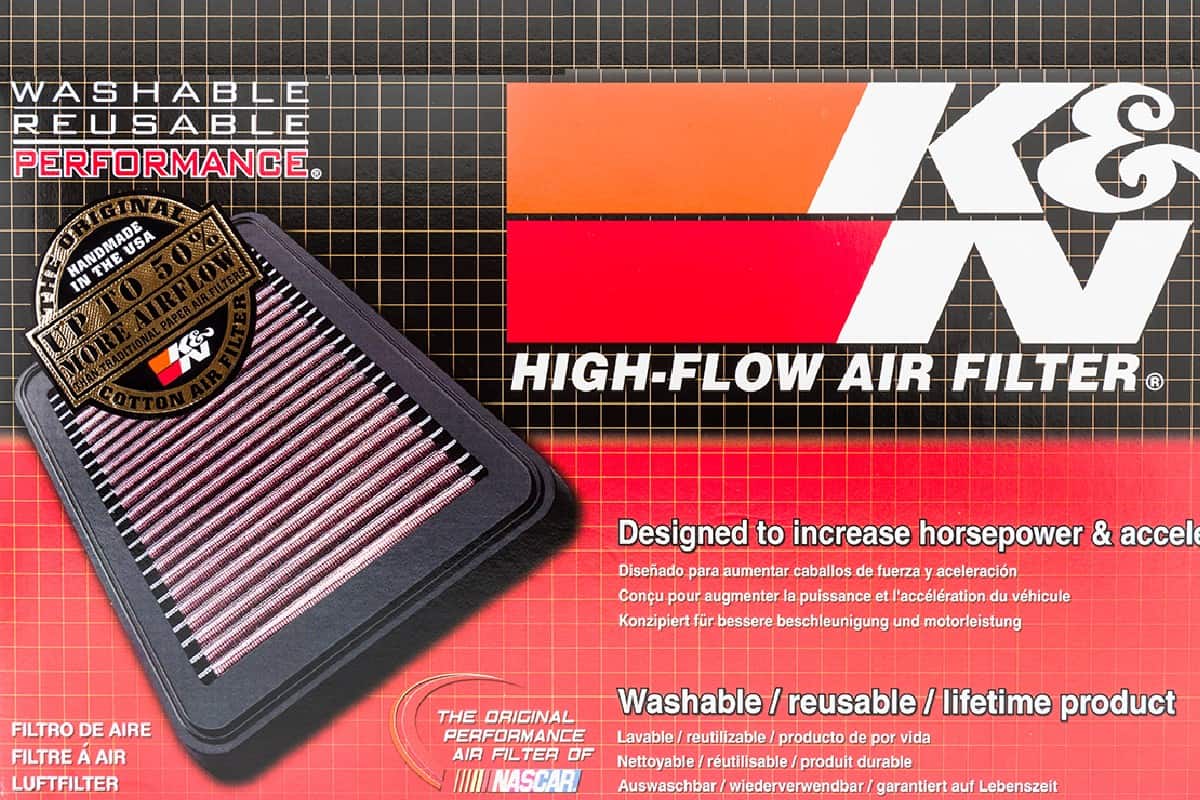
For automotive professionals, maintaining peak engine performance is paramount. A crucial component in achieving this is the air filter. K&N air filters, known for their reusable design and purported performance gains, require periodic cleaning. While K&N sells dedicated cleaning kits, cleaning can be accomplished effectively without them. This article delves into the process, technical specifications, performance considerations, and long-term implications of cleaning a K&N air filter without a specialized kit.
Understanding K&N Filter Technology
K&N filters utilize a multi-layered, oiled cotton gauze design. This design offers a lower restriction to airflow compared to traditional paper filters. The oil acts as a tackifier, trapping dirt and debris that would otherwise pass through the cotton layers. This reduced restriction, theoretically, allows the engine to breathe easier, leading to increased horsepower and fuel efficiency. However, the effectiveness of this design hinges on proper maintenance. An improperly cleaned or over-oiled filter can negatively impact engine performance and potentially cause sensor damage.
Cleaning Process: A Step-by-Step Guide (Without the Kit)
While K&N advocates using their cleaning kit, a suitable cleaning process can be achieved with readily available materials. Crucially, avoid using harsh solvents or degreasers, as these can damage the cotton fibers. Here's a detailed approach:
- Preparation: Remove the filter from the airbox. Note the filter's orientation for proper reinstallation. Gently tap the filter to remove loose debris. Use a soft brush to remove stubborn surface dirt.
- Washing: Mix a solution of warm water and a mild, pH-neutral detergent (dish soap can be used sparingly). Submerge the filter in the solution and gently agitate it. Avoid excessive scrubbing, which can damage the cotton gauze. A small, soft-bristled brush can be used to gently dislodge stubborn dirt.
- Rinsing: Thoroughly rinse the filter with clean, warm water until all traces of detergent are removed. This is critical, as residual detergent can interfere with the oiling process and potentially damage sensors.
- Drying: Allow the filter to air dry completely. This is perhaps the most important step. Do NOT use compressed air or a heat gun, as these can damage the filter media. Place the filter in a well-ventilated area, preferably in direct sunlight. This process may take 24-48 hours. Ensure the filter is completely dry before oiling.
- Oiling: Apply a thin, even coat of K&N air filter oil (or a comparable air filter oil specifically designed for oiled cotton gauze filters) to the filter media. Do not over-oil. Follow the oil manufacturer's instructions. Apply the oil to the clean side of the filter. Allow the oil to saturate the cotton gauze for approximately 20 minutes. Inspect the filter for any dry spots and apply additional oil as needed. The goal is a uniform, light coating of oil, not a saturated mess.
- Reinstallation: Once the oil has saturated the filter, carefully reinstall it in the airbox, ensuring it is properly seated and sealed.
Alternatives and Comparisons
The primary alternative to K&N filters is the standard paper air filter. Paper filters offer excellent filtration capabilities and are generally less expensive upfront. However, they are not reusable and require periodic replacement. Foam filters are another option, often used in off-road applications. They offer good filtration and are reusable, but may require more frequent cleaning than K&N filters. Another alternative is dry synthetic filters, that offer higher filtration than oiled cotton but often at a cost of lower airflow.
| Filter Type | Pros | Cons |
|---|---|---|
| K&N (Oiled Cotton) | Reusable, Potentially increased airflow, Long lifespan (if maintained) | Requires regular cleaning and oiling, Risk of over-oiling, Can be more expensive upfront |
| Paper | Inexpensive, Good filtration, No maintenance required (until replacement) | Not reusable, More restrictive airflow compared to K&N, Requires periodic replacement |
| Foam | Reusable, Good filtration, Durable | Requires frequent cleaning, Can be messy to clean and oil, Can degrade with age |
| Dry Synthetic | Reusable, Easy to clean (washable), higher filtration compared to oiled cotton filters | Lower airflow, Generally more expensive upfront. |
Reliability and Maintenance
The reliability of a K&N filter hinges on proper maintenance. Over-oiling is a common mistake that can lead to MAF sensor contamination, resulting in poor engine performance and potential damage. Under-oiling compromises the filter's ability to trap contaminants. Regular inspection of the filter is crucial. The cleaning interval depends on driving conditions. In dusty environments, more frequent cleaning is necessary. Documenting the cleaning schedule and oiling amounts is recommended for consistent maintenance.
Real-World Performance
The performance gains from a K&N filter are often debated. While dyno tests may show a slight increase in horsepower, the real-world impact is often subtle. The primary benefit is often improved throttle response, particularly in vehicles with restrictive factory air intake systems. Fuel economy improvements are often minimal and difficult to quantify. The perceived performance gains are often influenced by the placebo effect. Proper engine tuning and other performance modifications are generally more effective at achieving significant power increases.
Future Trends
The automotive industry is rapidly evolving, with a focus on electric vehicles (EVs) and hybrid technologies. As EVs do not have internal combustion engines and therefore, no traditional air filters, the demand for traditional air filters will decrease. However, hybrid vehicles still utilize internal combustion engines, ensuring a continued, albeit reduced, demand for air filters. Furthermore, advancements in filtration technology are likely to lead to more efficient and durable air filters, potentially reducing the need for frequent cleaning. The rise of synthetic filter materials may also offer improved filtration and airflow characteristics compared to traditional cotton gauze filters.
Conclusion
Cleaning a K&N air filter without a kit is a viable option for automotive professionals and enthusiasts. While the dedicated kit offers convenience, understanding the underlying principles of the filter's design and employing a careful cleaning process can yield comparable results. The key is to use mild detergents, thoroughly rinse the filter, allow it to dry completely, and apply a thin, even coat of air filter oil. By adhering to these guidelines, you can maintain the performance and longevity of your K&N air filter. The future of air filtration is intertwined with the evolution of the automotive industry, but with proper maintenance and an understanding of available technologies, we can continue to optimize engine performance and protect our vehicles.