
How To Clean Out Your Catalytic Converter
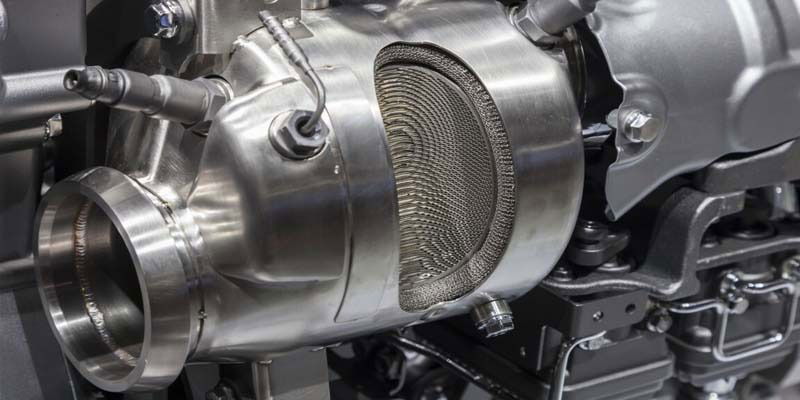
The catalytic converter, a critical component in your car's exhaust system, plays a vital role in reducing harmful emissions. Over time, however, it can become clogged with carbon deposits, oil residue, and other contaminants, leading to reduced engine performance, poor fuel economy, and even failing emissions tests. While a severely damaged or completely clogged converter often requires replacement, sometimes cleaning it can restore its functionality and save you a significant expense. This article will delve into the 'how-to' of cleaning your catalytic converter, covering both DIY methods and professional solutions.
Understanding Catalytic Converter Function and Problems
Before diving into cleaning methods, it's crucial to understand what a catalytic converter does. It's essentially a chamber containing a ceramic honeycomb coated with precious metals like platinum, palladium, and rhodium. These metals act as catalysts, speeding up chemical reactions that convert harmful pollutants – such as hydrocarbons (HC), carbon monoxide (CO), and nitrogen oxides (NOx) – into less harmful substances like carbon dioxide, water, and nitrogen. A healthy converter contributes significantly to cleaner air.
Several factors can lead to a clogged or inefficient catalytic converter:
- Carbon buildup: Incomplete combustion in the engine can lead to excessive carbon deposits accumulating within the converter.
- Oil contamination: Leaks or excessive oil consumption can introduce oil into the exhaust stream, which coats the catalyst and reduces its effectiveness.
- Coolant leaks: A leaking head gasket or other coolant system issues can allow coolant to enter the cylinders and subsequently the exhaust, damaging the converter.
- Rich fuel mixture: Running a rich fuel mixture (too much fuel, not enough air) overwhelms the converter and can lead to premature failure.
DIY Catalytic Converter Cleaning Methods
Several DIY methods can help clean a mildly clogged catalytic converter. These are often best suited for preventative maintenance or for addressing very early signs of clogging. Remember to always wear appropriate safety gear, including eye protection and gloves, when working on your car's exhaust system.
Fuel Additives:
Many fuel additives are marketed as catalytic converter cleaners. These products are designed to be added to your fuel tank and work by introducing detergents and solvents into the combustion process. As the exhaust gases pass through the converter, these additives help to break down and remove deposits. While the effectiveness varies, some additives can provide a noticeable improvement. Look for additives specifically formulated for catalytic converters and follow the manufacturer's instructions carefully. Some well-regarded brands include Sea Foam and Cataclean.
Forced Regeneration (Italian Tune-Up):
This method involves driving your car at high speeds (safely and legally, of course!) for an extended period. The increased exhaust gas temperature can help burn off some of the accumulated carbon deposits. This is more of a preventative measure than a cure for severe clogging. Find a long stretch of highway where you can maintain a speed of 60-70 mph for 20-30 minutes. Be mindful of your engine temperature and avoid overheating.
Professional Catalytic Converter Cleaning
When DIY methods fail or the converter is severely clogged, professional cleaning or replacement might be necessary. Automotive shops use specialized equipment and chemicals to clean catalytic converters effectively. One common method involves removing the converter and soaking it in a powerful cleaning solution. Another involves using a specialized machine that forces a cleaning solution through the converter under pressure.
The cost of professional cleaning varies depending on the vehicle and the extent of the cleaning required, but it's generally less expensive than replacing the converter. Replacement costs can range from a few hundred to over a thousand dollars, depending on the vehicle model and converter type. Furthermore, some states have strict regulations regarding the replacement of catalytic converters, requiring OEM (Original Equipment Manufacturer) parts, which are significantly more expensive than aftermarket alternatives.
When to Replace vs. Clean
Cleaning a catalytic converter is not always the answer. Here are some scenarios where replacement is the better option:
- Physical damage: If the converter is cracked, broken, or internally damaged, it needs to be replaced.
- Severe contamination: Heavy oil or coolant contamination can render the converter unusable, even after cleaning.
- Catalyst degradation: Over time, the precious metals within the converter can lose their effectiveness. This is a natural consequence of aging and cannot be reversed by cleaning.
A mechanic can perform diagnostic tests to determine the condition of your catalytic converter and recommend the best course of action. These tests might include checking the exhaust backpressure, analyzing the oxygen sensor readings, or using a scan tool to monitor the converter's efficiency. Proper diagnosis is key to avoiding unnecessary repairs or replacements.
In conclusion, cleaning your catalytic converter can be a viable option for restoring its functionality and improving your car's performance. However, it's crucial to understand the limitations of cleaning and to consider the severity of the problem before proceeding. Whether you choose to try a DIY method or seek professional help, remember to prioritize safety and consult with a qualified mechanic if you're unsure about any aspect of the process.