
How To Compress Brake Piston Without Tool
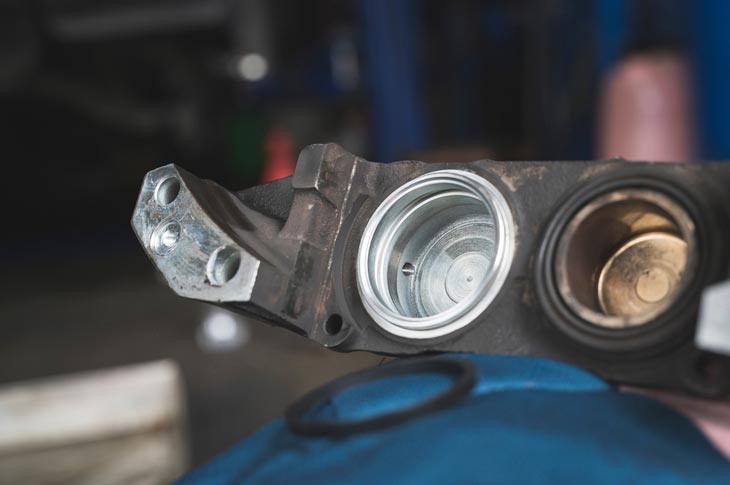
Brake jobs are a common part of vehicle maintenance. One of the trickier aspects, especially for DIY enthusiasts, is compressing the brake piston back into the caliper. While a dedicated brake piston compression tool is ideal, there are situations where you might find yourself without one. Fortunately, there are alternative methods you can use to get the job done, though caution and careful execution are paramount.
Understanding Brake Piston Compression
Before diving into tool-less methods, it's crucial to understand why brake pistons need to be compressed. As your brake pads wear down, the brake piston extends further out of the caliper to maintain contact with the rotor. When installing new, thicker brake pads, you need to push the piston back into the caliper housing to create enough space. Neglecting this step will prevent you from fitting the new pads and reassembling the brake system.
It’s also important to understand the type of braking system you’re working with. Some rear brakes, particularly those with integrated parking brakes, require a twisting motion in addition to compression. Attempting to simply push these pistons back without rotating them can damage the caliper. Always consult your vehicle's repair manual to determine the correct procedure for your specific make and model. This article primarily addresses compressing pistons that only require inward pressure.
Safety First!
Safety is paramount when working on brakes. Brakes are a critical safety system, and improper repairs can have serious consequences. Before attempting any of these methods, ensure you:
- Wear appropriate safety glasses to protect your eyes from brake dust and debris.
- Wear gloves to protect your hands from brake fluid and sharp edges.
- Use jack stands to securely support the vehicle after lifting it with a jack. Never work under a vehicle supported only by a jack.
- Work in a well-lit and ventilated area.
- Clean the area around the brake caliper before starting.
Methods to Compress Brake Piston Without a Tool
While a dedicated tool provides the most controlled and efficient compression, these alternative methods can work in a pinch. Proceed with extreme caution and only if you feel comfortable with the process. If you have any doubts, consult a professional mechanic.
Using a C-Clamp (with Caution)
A C-clamp is perhaps the most common alternative, but it requires a very delicate touch. Here's how to attempt it:
- Protect the Piston Face: Place a small, flat piece of metal (like a socket slightly larger than the piston) or a discarded brake pad against the piston face. This will prevent damage to the piston.
- Position the C-Clamp: Position the C-clamp so that one end rests against the back of the caliper and the other end presses against the protective metal/pad on the piston.
- Slow and Steady Pressure: Slowly tighten the C-clamp. Apply even pressure, observing the piston as it retracts. If it binds or feels excessively difficult, stop immediately.
- Check Brake Fluid Level: As the piston is compressed, brake fluid will be forced back into the master cylinder reservoir. Keep an eye on the reservoir level to prevent overflow. Remove excess fluid if necessary.
Important Considerations When Using a C-Clamp:
Never apply excessive force. The goal is gentle, controlled compression. Forcing the piston can damage the caliper or the master cylinder.
Leverage and a Socket
This method uses leverage to gently push the piston back. It requires a bit more finesse and might not work in all situations.
- Protect the Piston: As with the C-clamp method, protect the piston face with a socket or old brake pad.
- Find a Lever: Use a sturdy piece of metal (a large screwdriver, pry bar, or even a strong piece of wood) as your lever.
- Position the Lever: Position the lever so that one end rests against the caliper housing (ensure it has a firm and stable contact point) and the other end presses against the socket/pad on the piston.
- Apply Controlled Pressure: Gently apply pressure to the lever, using the caliper housing as a fulcrum. Watch the piston carefully as it retracts.
- Monitor Brake Fluid: Again, keep an eye on the brake fluid reservoir.
Challenges with the Leverage Method:
- Finding a suitable leverage point can be difficult.
- It's easy to slip and damage the caliper or piston.
- Controlling the pressure precisely can be challenging.
Water Pump Pliers (Proceed with Extreme Caution)
Using water pump pliers is generally not recommended, as it increases the risk of damaging the piston. However, if other methods fail and you are extremely careful, it can be attempted as a last resort.
- Double-Protect the Piston: Use two layers of protection on the piston. Consider a socket and an old brake pad.
- Careful Placement: Position the jaws of the water pump pliers around the protected piston, ensuring a firm grip without excessive pressure.
- Gentle Squeeze: Apply very gentle pressure to the pliers, just enough to start the piston retracting.
- Constant Observation: Monitor the piston closely for any signs of binding or damage.
- Brake Fluid Check: Monitor the fluid level in the master cylinder reservoir.
Why Water Pump Pliers are Risky:
- The serrated jaws can easily damage the piston if not used with extreme care.
- It’s difficult to apply even pressure.
Troubleshooting and Important Considerations
If you encounter resistance while compressing the piston, do not force it. Here are some potential issues and solutions:
- Rust or Corrosion: Clean the exposed portion of the piston with brake cleaner and a wire brush (gently!) to remove any rust or corrosion.
- Stuck Piston: If the piston is severely stuck, it may require professional attention. Attempting to force it could damage the caliper beyond repair.
- Twisting Rear Calipers: Remember that some rear calipers require a twisting motion for compression. If you are working on a rear caliper, consult your vehicle's repair manual to determine if this is the case.
- Open the Bleeder Valve: Opening the bleeder valve (located on the caliper) can relieve pressure in the system and make it easier to compress the piston. Be prepared for brake fluid to come out, and have a container ready to catch it.
When to Seek Professional Help
If you are uncomfortable with any of these methods, or if you encounter significant resistance, it is always best to seek professional help. A mechanic has the proper tools and expertise to diagnose and repair brake issues safely and effectively. Your safety and the safety of others on the road depend on properly functioning brakes.
Attempting to compress a brake piston without the correct tool can be done but requires patience, caution, and a thorough understanding of the brake system. Prioritize safety and don't hesitate to seek professional assistance if needed. A brake piston compression tool is a relatively inexpensive investment that can save you time, frustration, and potential damage in the long run. Consider purchasing one for future brake jobs.