
How To Fill Differential Fluid
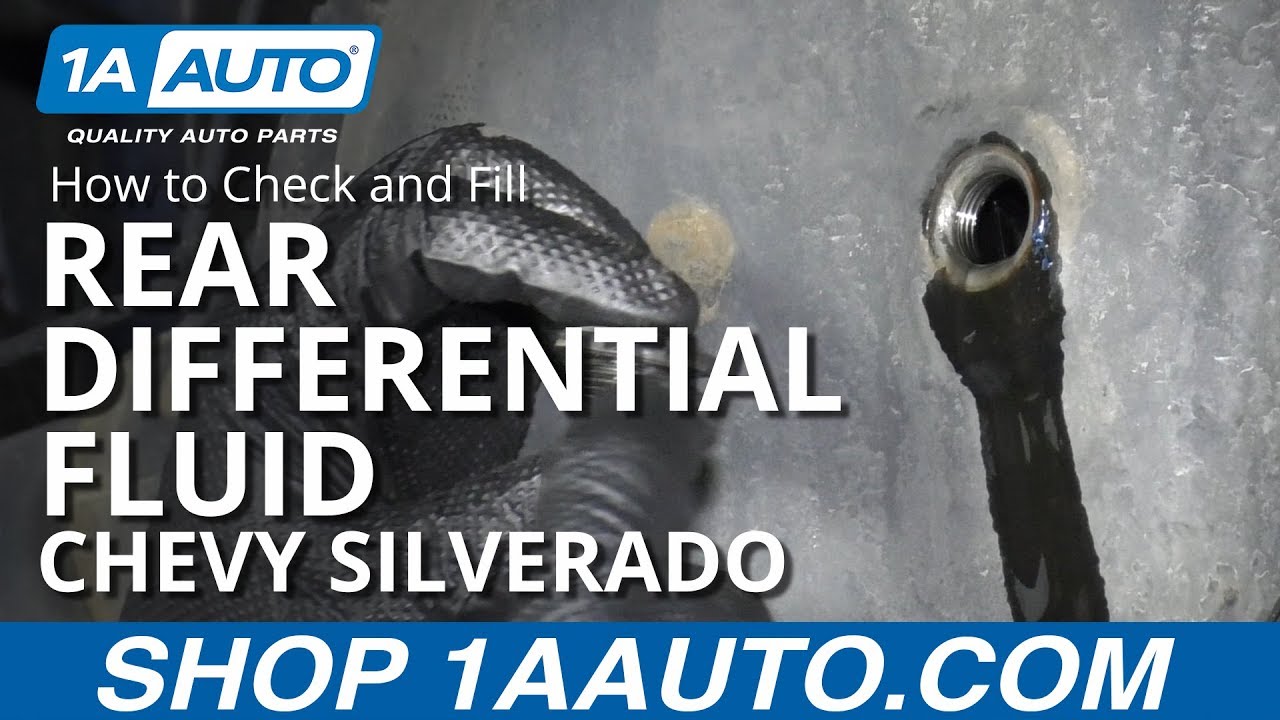
Differential fluid, often overlooked, plays a critical role in the longevity and performance of a vehicle's drivetrain. Understanding its function and proper maintenance is paramount for automotive professionals. This article delves into the process of filling differential fluid, exploring technical specifications, comparing fluid types, discussing reliability aspects, and looking towards future trends.
The Importance of Differential Fluid
The differential's primary function is to allow the wheels on an axle to rotate at different speeds, crucial for cornering. Without it, the inner wheel would need to travel the same distance as the outer wheel during a turn, leading to tire slippage and significant drivetrain stress. The fluid within the differential lubricates the gears, bearings, and other internal components, reducing friction and dissipating heat. Degraded or insufficient fluid can lead to increased wear, noise, and eventually, differential failure.
Differential Fluid Types and Specifications
Choosing the correct differential fluid is not a universal one-size-fits-all situation. Vehicle manufacturers specify particular fluids based on differential design, operating conditions, and desired performance characteristics. These specifications are typically found in the vehicle's owner's manual or service information system.
Gear Oil Viscosity
Viscosity is a key property, typically defined by SAE (Society of Automotive Engineers) standards. Common viscosity grades include 75W-90, 80W-90, and 85W-140. The 'W' denotes suitability for winter use. Lower numbers indicate lower viscosity, suitable for colder climates and potentially offering slightly improved fuel efficiency. Higher numbers denote higher viscosity, providing better protection under heavy loads and high temperatures. Using an incorrect viscosity can lead to inadequate lubrication, increased wear, and even differential failure.
API Ratings
The American Petroleum Institute (API) provides ratings for gear oils based on their performance characteristics. GL-4 and GL-5 are the most common ratings. GL-5 oils contain more extreme pressure (EP) additives, designed for hypoid gears commonly found in differentials. GL-4 oils typically have lower EP additive levels and are often used in transmissions where brass or bronze synchros are present, as some GL-5 additives can corrode these metals. It is crucial to use the fluid specified by the manufacturer, as using an incorrect API rating can lead to component damage.
Synthetic vs. Conventional Fluids
Synthetic gear oils offer several advantages over conventional oils. These include:
- Improved Thermal Stability: Synthetic oils maintain their viscosity better at high temperatures, providing superior protection under demanding conditions.
- Enhanced Cold-Weather Performance: Synthetic oils flow more easily at low temperatures, ensuring quicker lubrication at startup.
- Extended Service Life: Synthetic oils typically resist degradation and oxidation better than conventional oils, allowing for longer service intervals.
- Reduced Friction: Synthetic oils can reduce internal friction, potentially improving fuel efficiency.
However, synthetic oils are generally more expensive than conventional oils. In some older vehicles, the switch to synthetic oil may reveal pre-existing leaks due to the oil's increased solvency and ability to seep through worn seals. Whether the benefits outweigh the cost depends on the vehicle, operating conditions, and owner preference. For heavy-duty applications or extreme climates, synthetic oils are generally recommended.
Limited-Slip Additives
Vehicles equipped with limited-slip differentials (LSDs) often require special additives to prevent chatter or binding during operation. These additives modify the friction characteristics of the fluid, allowing the clutches or cones within the LSD to engage and disengage smoothly. Some gear oils already contain LSD additives, while others require a separate additive to be added. Again, refer to the vehicle's service information to determine the correct fluid and additive requirements. Failure to use the correct fluid or additive can result in noise, poor performance, and premature wear of the LSD.
The Filling Process: A Step-by-Step Guide
The process of filling differential fluid involves several key steps:
- Safety First: Wear appropriate personal protective equipment (PPE), including gloves and eye protection. Ensure the vehicle is safely supported on jack stands. Never work under a vehicle supported only by a jack.
- Locate the Fill and Drain Plugs: The differential housing typically has two plugs: a fill plug (usually located higher up) and a drain plug (usually located at the bottom).
- Remove the Fill Plug First: Always remove the fill plug before the drain plug. This ensures that you'll be able to refill the differential after draining the old fluid. If you can't remove the fill plug, draining the old fluid would be futile.
- Remove the Drain Plug: Position a drain pan under the differential and remove the drain plug. Allow the old fluid to drain completely.
- Inspect the Drain Plug: Examine the drain plug for metal shavings, which can indicate internal wear. Clean the drain plug and replace the sealing washer if necessary.
- Reinstall the Drain Plug: Tighten the drain plug to the manufacturer's specified torque. Overtightening can damage the differential housing.
- Fill the Differential: Using a fluid pump or a squeeze bottle, fill the differential with the specified fluid until it reaches the bottom of the fill plug opening.
- Reinstall the Fill Plug: Tighten the fill plug to the manufacturer's specified torque.
- Clean Up: Clean any spilled fluid and dispose of the old fluid properly.
- Test Drive: Take the vehicle for a short test drive and check for any leaks.
Alternatives to Traditional Fluid Changes
While a complete fluid drain and fill is the most thorough method, there are alternative approaches, such as fluid exchange machines. These machines connect to the differential and circulate new fluid while simultaneously extracting the old fluid. While faster, these systems may not remove all contaminants and debris, especially if they are lodged in the bottom of the differential housing. A drain and fill is generally preferred for thorough maintenance.
Reliability Aspects and Maintenance Tips
Regular differential fluid changes are crucial for maintaining the reliability of the drivetrain. The recommended service interval varies depending on the vehicle, operating conditions, and fluid type. Typically, intervals range from 30,000 to 60,000 miles. Vehicles subjected to heavy towing, off-road driving, or frequent high-speed operation should have their differential fluid changed more frequently.
- Check for Leaks: Regularly inspect the differential housing for leaks around the seals and pinion shaft. Address any leaks promptly to prevent fluid loss and potential damage.
- Listen for Unusual Noises: Pay attention to any unusual noises coming from the differential, such as whining, grinding, or clunking. These noises can indicate worn gears or bearings.
- Use High-Quality Fluid: Always use a high-quality differential fluid that meets the manufacturer's specifications.
- Follow Torque Specifications: Always tighten the drain and fill plugs to the manufacturer's specified torque to prevent leaks and damage.
Future Trends
The automotive industry is constantly evolving, and so is differential fluid technology. Future trends include:
- Electrified Drivetrains: Electric vehicles (EVs) and hybrid vehicles often use specialized fluids for their transmissions and differentials, designed for lower operating temperatures and specific lubrication requirements.
- Advanced Additive Packages: Manufacturers are developing new additive packages that offer improved wear protection, reduced friction, and extended service life.
- Condition Monitoring Systems: Sensors and data analytics are being used to monitor the condition of differential fluid in real-time, allowing for proactive maintenance and preventing potential failures.
- Biodegradable Fluids: There is increasing interest in environmentally friendly, biodegradable differential fluids.
Conclusion
Maintaining the differential fluid is an essential aspect of vehicle maintenance that can significantly impact drivetrain reliability and performance. By understanding the different fluid types, following proper filling procedures, and staying informed about future trends, automotive professionals can provide their customers with superior service and ensure the longevity of their vehicles. As the automotive industry shifts towards electrification and more sophisticated drivetrain technologies, staying current with the latest advancements in differential fluid technology will be crucial for success.