
How To Find Out Which Transmission I Have
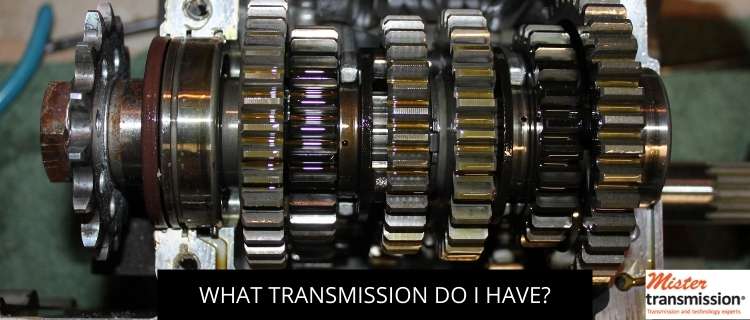
So, you're trying to figure out which transmission is bolted to your engine? Don't worry, you're not alone! Identifying your transmission is crucial for ordering the right parts, diagnosing problems accurately, and even getting the right repair estimate. It's a question that comes up all the time, and thankfully, there are several ways to crack the code. Think of me as your friendly service advisor, guiding you through the process. Let's get started!
Why Do I Need to Know My Transmission Type?
Before we dive into the "how," let's quickly touch on the "why." Knowing your transmission type is important for a few key reasons:
- Ordering the Correct Parts: Transmissions are highly specific. A filter for a 4L60E won't fit a 4L80E, and vice versa. Get it wrong, and you're adding frustration (and return shipping costs!) to your repair process.
- Accurate Diagnosis: Many transmission problems are specific to certain models. Knowing your transmission allows you to research common issues and potential fixes that are relevant to your vehicle.
- Getting Accurate Repair Estimates: A transmission rebuild or replacement can be a significant expense. Knowing your transmission type allows shops to provide more precise quotes, as parts and labor costs can vary considerably between different models.
- Proper Fluid Selection: Using the wrong transmission fluid can lead to serious damage. Knowing your transmission ensures you use the correct fluid type for optimal performance and longevity.
- Performance Upgrades: If you're looking to upgrade your transmission for improved performance, knowing the model is essential to ensure compatibility with aftermarket parts.
Methods for Identifying Your Transmission
Okay, now for the fun part! Here are several methods you can use to identify your transmission. We'll start with the easiest and most accessible options:
1. Check Your Vehicle's Information Sticker or Door Jamb
This is often the quickest and easiest way to find the information. Look for a sticker, usually on the driver's side door jamb or inside the glove compartment. This sticker contains a wealth of information about your vehicle, including the VIN (Vehicle Identification Number). While the sticker itself might not explicitly state the transmission type, the VIN can be used to decode the information online.
Tool Needed: Your eyes!
2. Decode Your VIN (Vehicle Identification Number)
The VIN is a unique 17-character identifier for your vehicle. Many online VIN decoders can provide information about your vehicle's specifications, including the transmission type. Simply enter your VIN into a reputable VIN decoder website (many are available for free) and look for the section that lists your vehicle's options and features.
Tool Needed: Computer or smartphone with internet access.
Cost: Free (for most VIN decoders).
3. Check Your Owner's Manual
Your owner's manual can sometimes provide clues about the transmission type, especially if there were limited transmission options available for your vehicle's year and model. Look for sections that discuss transmission fluid specifications, maintenance schedules, or technical specifications. While it might not explicitly state the model number, it might provide enough information to narrow down the possibilities.
Tool Needed: Your owner's manual (if you can find it!).
4. Look for a Transmission Identification Tag or Stamp
Many transmissions have a physical tag or stamp located on the transmission casing itself. This tag might contain the transmission model number, build date, or other identifying information. Finding this tag can sometimes be a bit tricky as it can be obscured by dirt, grease, or other components.
Tools Needed:
- Jack and jack stands (for safe access underneath the vehicle)
- Flashlight (to illuminate the transmission casing)
- Rags and cleaner (to remove dirt and grease)
- Possibly a mirror (to view hard-to-reach areas)
Process:
- Safely raise your vehicle using a jack and jack stands. Never work under a vehicle supported only by a jack!
- Locate the transmission. It's the component located between the engine and the driveshaft (or axles in a front-wheel-drive vehicle).
- Thoroughly clean the transmission casing to remove any dirt or grease.
- Carefully inspect the casing for a tag or stamp. Look on the sides, top, and bottom of the transmission.
- Once you find the tag, record the information.
5. Consult with a Mechanic or Transmission Specialist
If you've tried the methods above and are still unsure, the best course of action is to consult with a qualified mechanic or transmission specialist. They have the knowledge, experience, and tools to accurately identify your transmission. They can also perform a visual inspection and potentially use diagnostic equipment to gather more information.
Cost: The cost of a diagnostic service can vary, but expect to pay around $50-$150 depending on the shop and the complexity of the diagnosis.
6. Compare Your Transmission to Known Images and Specifications
Another approach, especially if you can visually access the transmission, is to compare it to images and specifications of known transmission models. Websites and forums dedicated to automotive repair often have detailed information, including pictures and diagrams of various transmissions. Look for distinguishing features such as the shape of the transmission pan, the location of the filler tube, or the number of bolts on the pan.
Tool Needed: Computer or smartphone with internet access, and a keen eye for detail!
Important Safety Note: Always prioritize safety when working on your vehicle. Use proper safety equipment, such as safety glasses and gloves, and never work under a vehicle supported only by a jack. If you're not comfortable performing any of these steps, it's best to consult with a qualified mechanic.
Estimating Repair Costs (Once You Know Your Transmission Type)
Once you've identified your transmission, you can start researching potential repair costs. Keep in mind that these are just estimates, and the actual cost can vary depending on several factors, including the severity of the problem, the location of the repair shop, and the quality of the parts used.
Here's a general idea of what you might expect to pay:
- Minor Repairs (e.g., fluid change, filter replacement): $100 - $300
- Valve Body Repair: $300 - $800
- Transmission Rebuild: $1,500 - $4,000+
- Transmission Replacement (with a remanufactured unit): $2,500 - $5,000+
Pro Tip: Get quotes from multiple repair shops before committing to any work. This will give you a better understanding of the average cost in your area and allow you to compare prices and services.
Conclusion
Identifying your transmission might seem daunting at first, but with a little patience and the right tools, you can usually figure it out. Start with the simplest methods, like checking your vehicle's information sticker and decoding your VIN. If you're still unsure, don't hesitate to consult with a mechanic or transmission specialist. Knowing your transmission type is essential for accurate diagnosis, proper parts selection, and getting the right repair estimates. Good luck, and happy wrenching!