
How To Find The Color Code Of Your Car
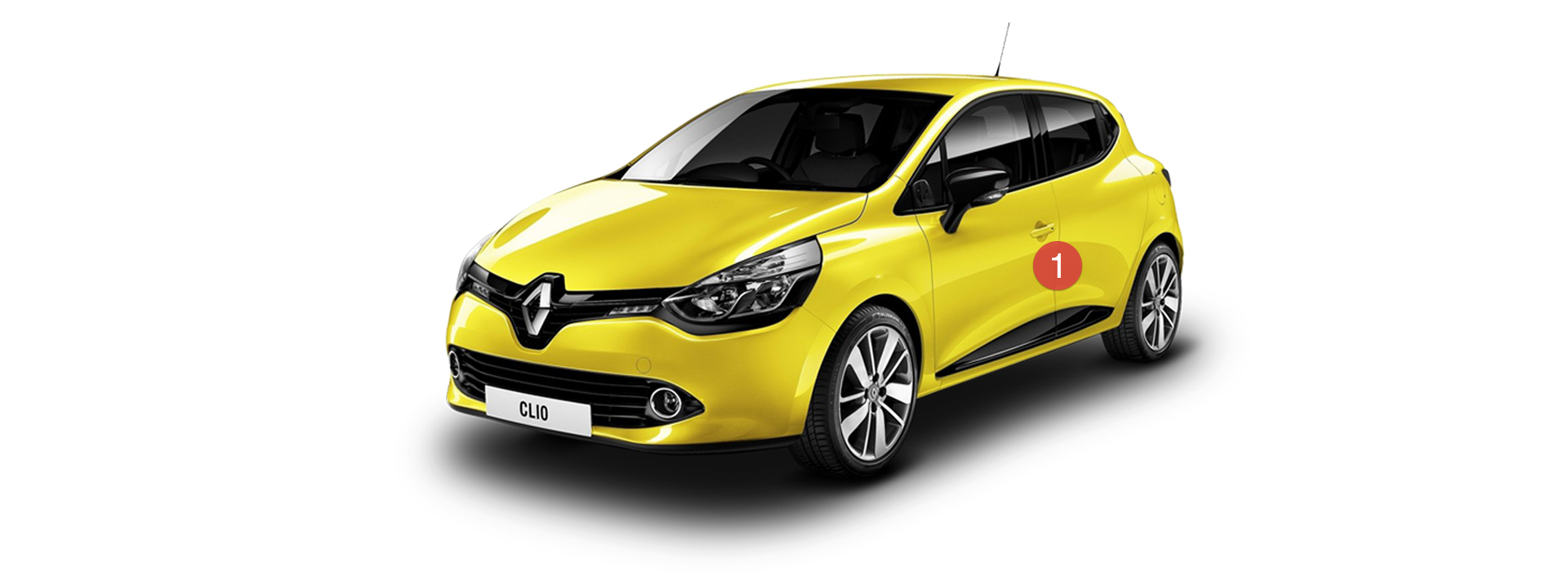
Identifying the precise color code of a vehicle is a seemingly simple task that's crucial for various automotive professionals, from body shop technicians needing to match paint for repairs to detailers seeking the correct shade for touch-ups. However, the seemingly straightforward process can be surprisingly complex, requiring a nuanced understanding of vehicle manufacturing processes, paint technology, and information dissemination strategies employed by automakers.
Understanding the Importance of Color Codes
The automotive industry utilizes standardized color codes to ensure consistency across different production batches and even across different manufacturing plants. These codes, often alphanumeric combinations, are far more precise than simple color names. For example, while a customer might describe their car as "dark blue," the official color code could be something like "890/H2," representing a specific mixture of pigments and a particular application process. Accurate color matching is paramount for achieving seamless repairs and maintaining the aesthetic integrity of the vehicle.
Common Locations for Color Code Identification
The location of the color code placard varies significantly between manufacturers and even between models within the same brand. Common locations include:
- Driver's Side Door Jamb: This is arguably the most frequent location. Look for a sticker or plate affixed to the door jamb, often near the door latch.
- Under the Hood: Check the radiator support, the underside of the hood itself, or the firewall.
- Glove Compartment: Some manufacturers place the code on a sticker inside the glove compartment door.
- Spare Tire Well: Less common, but worth checking if the above locations yield no results.
- Owner's Manual/Service Booklet: While not physically on the vehicle, the color code is often documented in the owner's manual or a supplemental service booklet.
When inspecting these locations, pay close attention to the entirety of the information displayed. The color code might be part of a larger VIN (Vehicle Identification Number) sticker or a label containing other factory specifications. Avoid misinterpreting other alphanumeric sequences as the color code.
Decoding the Color Code: Technical Specifications
Each automaker employs a unique coding system, and understanding the specific format is critical. Some use simple numeric codes, while others utilize alphanumeric combinations. In some cases, a single color might have multiple codes depending on the paint supplier used during manufacturing.
For example, a German manufacturer might use a three-digit numeric code, while a Japanese brand might use a combination of letters and numbers. Furthermore, some codes include suffixes or prefixes that denote variations within the same basic color, such as differing clear coat formulations or metallic flake densities. Accessing manufacturer-specific documentation or utilizing online color code databases is often necessary to accurately decipher the code.
Alternatives to Physical Identification
In situations where the color code sticker is missing, damaged, or illegible, alternative methods can be employed:
- VIN Decoding: Online VIN decoders can sometimes provide the original factory color information, although this is not always guaranteed.
- Dealership Inquiry: Contacting a dealership's parts or service department with the VIN is a reliable method. They can typically access the vehicle's build sheet and provide the correct color code.
- Paint Matching Technology: Spectrophotometers can analyze the existing paint on the vehicle and provide a formula for matching it. This method relies on accurate calibration and a clean, undamaged paint sample.
Spectrophotometry offers a non-invasive solution but requires specialized equipment and skilled operators. VIN decoding is convenient but may not always be accurate, especially for older vehicles. Dealership inquiry is often the most reliable, but requires a visit or phone call.
Reliability Aspects and Maintenance Tips
The durability of the color code sticker itself can be a factor. Over time, exposure to sunlight, heat, and cleaning chemicals can cause the sticker to fade or become brittle. Regularly inspecting and photographing the sticker can serve as a backup in case it becomes unreadable. Applying a clear protective film over the sticker can also extend its lifespan.
When using online color code databases, exercise caution and verify the information against multiple sources. Inaccurate information can lead to costly mistakes. Regularly update the database with information on paint codes.
Future Trends in Color Code Identification
The automotive industry is moving towards more sophisticated paint technologies, including self-healing coatings and color-shifting paints. This increased complexity will likely necessitate more detailed and precise color codes. Furthermore, advancements in artificial intelligence and image recognition could lead to automated systems that can accurately identify paint colors based on images alone, eliminating the need for physical sticker identification.
The integration of blockchain technology could also enhance the traceability and accuracy of paint information, ensuring that the correct color code is always associated with the vehicle throughout its lifecycle. This would greatly benefit automotive professionals involved in collision repair and refinishing.
Conclusion
Accurately identifying a vehicle's color code is a critical task for automotive professionals. While the process may seem straightforward, it requires a thorough understanding of vehicle manufacturing practices, paint technology, and information management. By staying informed about the latest trends and technologies, automotive professionals can ensure that they are equipped to handle the challenges of color matching in the ever-evolving automotive landscape. The future of automotive paint promises enhanced customization and durability, demanding even greater precision in color identification and application. The automotive industry continues its pursuit of innovation in paint technology and methods for automotive refinishing, requiring constant learning and adaptation from auto body technicians.