
How To Fix A Cylinder With Low Compression
Low compression in a cylinder is a common problem that can plague any car, from a trusty Honda Civic to a powerful Ford F-150. It indicates that the air-fuel mixture within the cylinder is not being properly compressed, leading to reduced engine power, poor fuel economy, and potential engine damage. Understanding the symptoms, causes, and repair procedures is crucial for both car owners and mechanics alike. This article will guide you through the process of diagnosing and addressing low cylinder compression.
Recognizing the Symptoms of Low Cylinder Compression
The symptoms of low cylinder compression can vary depending on the severity of the problem, but some common indicators include:
- Reduced engine power: The engine may feel sluggish and struggle to accelerate, especially when climbing hills or carrying heavy loads.
- Rough idling: The engine may vibrate excessively and sound uneven, especially at idle. This is often described as a "misfire."
- Poor fuel economy: The engine may consume more fuel than usual due to inefficient combustion.
- Difficulty starting: The engine may take longer to start, or it may not start at all.
- Check engine light: The check engine light may illuminate, and a diagnostic scan may reveal codes related to misfires or cylinder imbalance (e.g., P0301, P0302, etc., indicating a misfire in cylinder 1, 2, and so on).
- Unusual engine noises: You might hear a hissing or popping sound coming from the engine.
Troubleshooting the Causes of Low Cylinder Compression
Several factors can contribute to low cylinder compression. Pinpointing the exact cause requires a systematic approach. Here are some of the most common culprits:
- Worn or Damaged Piston Rings: These rings seal the space between the piston and the cylinder wall, preventing combustion gases from escaping. Worn or cracked rings are a frequent cause of low compression, especially in older vehicles like a high-mileage Toyota Camry. Solution: Replace the piston rings. This typically involves removing the engine, disassembling it, and installing new rings.
- Leaking Valves: Valves control the flow of air and fuel into and out of the cylinder. Burned, bent, or improperly seated valves can leak, allowing compression to escape. Solution: Perform a valve job. This involves removing the cylinder head, inspecting the valves, and either grinding the valve seats or replacing the valves themselves. A common issue in older Chevy Silverados.
- Damaged Cylinder Head Gasket: The head gasket seals the cylinder head to the engine block. A blown or leaking head gasket can allow compression to escape between cylinders or into the cooling system. This can cause overheating issues. Solution: Replace the head gasket. This involves removing the cylinder head, cleaning the mating surfaces, and installing a new gasket. Retorquing the head bolts to the manufacturer's specifications is crucial. A known issue on some Subaru models if not properly maintained.
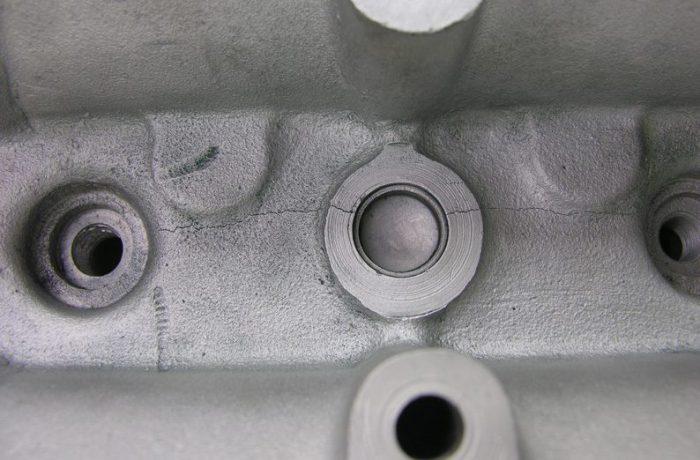
- Cracked Cylinder Head or Block: Though less common, cracks in the cylinder head or engine block can also cause compression loss. Solution: Depending on the severity and location of the crack, the cylinder head or engine block may need to be repaired (welded) or replaced. This is usually a costly repair.
- Valve Timing Issues: If the valve timing is off, the valves may not be opening and closing at the correct times, leading to compression loss. This can occur due to a stretched timing belt or chain. Solution: Check and correct the valve timing. This may involve replacing the timing belt or chain and aligning the timing marks properly.
Performing a Compression Test
A compression test is essential for diagnosing low cylinder compression. Here's a simplified overview:
- Warm up the engine.
- Disable the ignition system (remove the fuel pump fuse or relay).
- Remove all spark plugs.
- Insert a compression tester into each spark plug hole, one at a time.
- Crank the engine for several seconds and record the reading on the tester.
- Compare the readings for each cylinder. A significant difference (typically more than 10-15%) indicates a problem.
A leak-down test can further pinpoint the source of the leak. This involves pressurizing the cylinder with compressed air and listening for leaks at the intake, exhaust, and coolant passages.
Real-World Examples and Fixes
- Ford F-150 (5.4L Triton V8): Known for potential spark plug issues, leading to damaged cylinder heads. If a compression test reveals low compression in one or more cylinders, a borescope inspection might be needed to check for spark plug thread damage. Fix: Repair or replace the cylinder head.
- Honda Civic (1.8L i-VTEC): Often experiences valve issues over time, particularly valve lash adjustment problems. Low compression might point to tight valves preventing proper sealing. Fix: Adjust valve lash to factory specifications.
- Toyota Camry (2.4L): Prone to oil consumption issues, which can accelerate piston ring wear, leading to low compression. Fix: Replace piston rings. Consider addressing the oil consumption issue to prevent recurrence.
Maintaining Your Car for Optimal Compression
Preventative maintenance is key to avoiding low cylinder compression problems:
- Regular Oil Changes: Use the correct type and viscosity of oil, and change it according to the manufacturer's recommendations. Clean oil lubricates and cools engine components, minimizing wear.
- Proper Cooling System Maintenance: Ensure the cooling system is functioning properly to prevent overheating, which can damage head gaskets and warp cylinder heads.
- Valve Adjustments (if applicable): Regularly check and adjust valve lash, especially on engines with mechanical valve lifters.
- Use Quality Fuel: Avoid using low-octane fuel in engines that require premium fuel.
- Address Issues Promptly: Don't ignore warning signs like a check engine light or unusual engine noises. Early intervention can prevent minor problems from escalating into major repairs.
By understanding the causes, symptoms, and preventative measures related to low cylinder compression, car owners and mechanics can work together to keep vehicles running smoothly and efficiently. Remember that complex repairs often require specialized tools and expertise, so don't hesitate to consult a qualified mechanic when needed.