
How To Fix A Hole In The Sidewall Of Tire
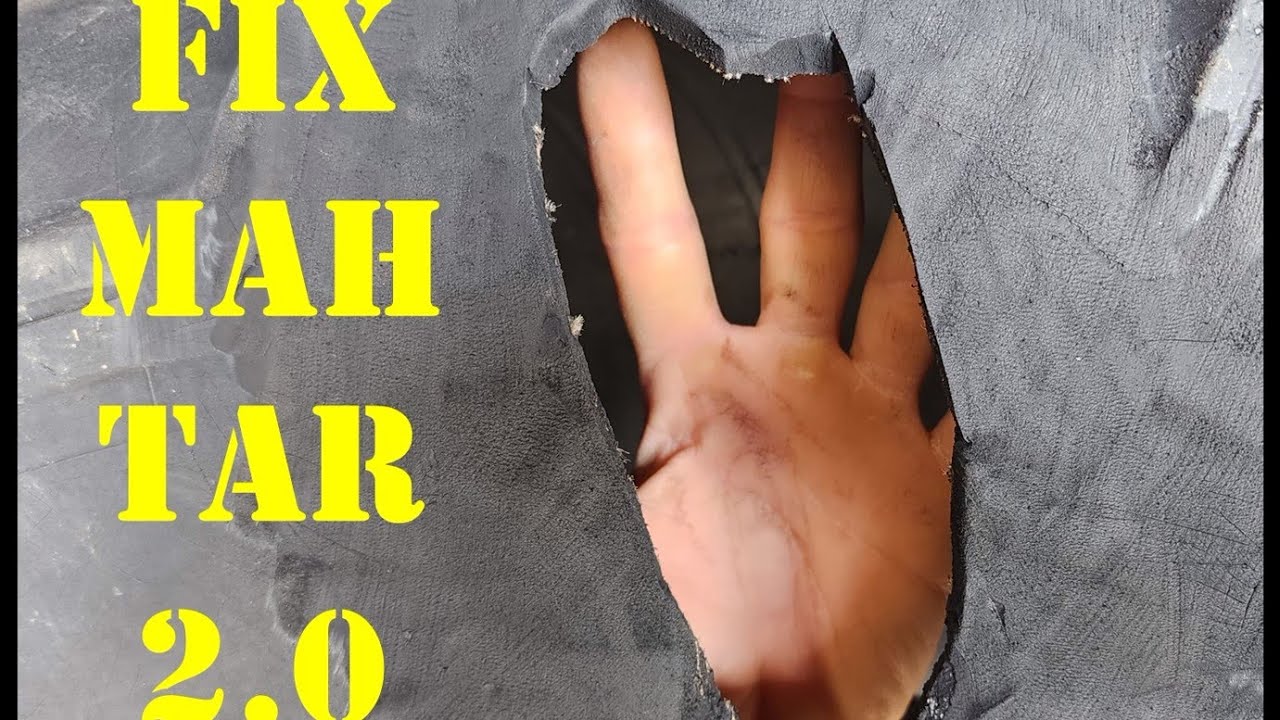
A tire's sidewall is arguably its most vulnerable area. Unlike the robust tread, the sidewall is thinner and designed for flexibility, making it susceptible to damage from curbs, potholes, and sharp objects. A hole in the sidewall is a serious issue, often leading to a rapid loss of air and rendering the tire unusable. While a puncture in the tread can sometimes be repaired, a sidewall puncture is almost always a replacement scenario. Let's delve into why that is and what your options are.
Why Sidewall Damage is So Critical
To understand why a sidewall hole is so problematic, we need to consider the tire's construction. A tire is essentially a composite structure made up of several layers: the inner liner (for air retention), the body plies (providing strength and shape), the belts (for stability and puncture resistance), and the tread (for grip). The sidewall's primary job is to flex and absorb impacts. The body plies extend into the sidewall, but they are not reinforced with belts like the tread area. Think of it like this: the tread is like a heavily reinforced bridge, while the sidewall is more like a flexible, yet load-bearing, wall.
When a hole appears in the sidewall, several crucial aspects are compromised:
- Integrity of the Body Plies: A cut or tear weakens the body plies, reducing their ability to maintain the tire's shape and withstand pressure. Imagine a BMW 3 Series (E46) pushing through a corner – the sidewall needs to be structurally sound to handle the lateral forces. A compromised sidewall could lead to tire collapse, especially under stress.
- Air Retention: While the inner liner is designed to hold air, it relies on the support of the body plies. A hole in the sidewall allows air to escape rapidly, defeating the purpose of the liner.
- Flexibility Issues: The sidewall's engineered flexibility is disrupted. A patch or repair attempts to restore this flexibility, but it rarely matches the original design. This can lead to uneven stress distribution and premature tire failure.
- Safety Risks: Attempting to drive on a tire with a damaged sidewall is extremely dangerous. The tire could blow out at any time, leading to a loss of control. Consider a Ford F-150 towing a trailer – a sidewall failure at highway speeds could be catastrophic.
Why Sidewall Repairs Are Generally Not Recommended
The Rubber Manufacturers Association (RMA), the industry group representing tire manufacturers, strongly advises against repairing sidewall punctures. This is due to several factors:
- Repair Limitations: Sidewall repairs are notoriously difficult to execute properly. The flexing action of the sidewall puts immense stress on any patch or plug, making it likely to fail.
- Liability Concerns: Tire repair shops are often hesitant to repair sidewalls due to the potential for future failure and the liability associated with it. If a repaired sidewall fails and causes an accident, the shop could be held responsible.
- Heat Buildup: The sidewall experiences significant flexing and heat buildup during normal driving. A repair can interfere with heat dissipation, potentially leading to further damage.
- Uneven Performance: Even if a repair holds initially, it can affect the tire's overall performance. The repaired area may not flex in the same way as the rest of the sidewall, leading to uneven wear and handling characteristics.
While some anecdotal evidence suggests temporary sidewall repairs *might* be possible in emergency situations (like using a tire plug kit to get to a safe location), these are not permanent solutions and should be followed by immediate tire replacement.
The Exception: Run-Flat Tires
It's important to note that some vehicles, like certain BMW models (e.g., some Z4 variants), come equipped with run-flat tires. These tires are designed with reinforced sidewalls that can support the vehicle's weight even after a loss of air pressure. While run-flat tires can provide temporary mobility after a sidewall puncture, they also have limitations. Typically, you can drive up to 50 miles at a reduced speed (around 50 mph) on a punctured run-flat tire. However, even run-flat tires should be inspected and replaced after being driven on with a flat, as the internal structure may have been compromised. Always refer to your vehicle's owner's manual and the tire manufacturer's recommendations regarding run-flat tires.
What To Do If You Have a Sidewall Puncture
The recommended course of action for a sidewall puncture is almost always tire replacement. Here's a step-by-step guide:
- Safety First: If you experience a flat tire due to a sidewall puncture, pull over to a safe location as soon as possible. Turn on your hazard lights and set up warning triangles.
- Assess the Damage: Visually inspect the tire to confirm that the puncture is indeed in the sidewall.
- Replace the Tire: If you have a spare tire and know how to change it, do so. Consult your vehicle's owner's manual for instructions. If you are unsure about changing a tire, call for roadside assistance.
- Consider a Tow: If you don't have a spare tire or are uncomfortable changing it, call for a tow truck to take your vehicle to a tire shop.
- Tire Replacement: At the tire shop, have the damaged tire replaced. It's generally recommended to replace tires in pairs (both tires on the same axle) to ensure even wear and handling, especially on all-wheel-drive vehicles like a Subaru Outback. If the other tire on the axle is significantly worn, you may need to replace all four tires.
Practical Takeaways
- Sidewall punctures are almost always a replacement scenario. Don't risk your safety by attempting to drive on a tire with a damaged sidewall.
- Understand the limitations of run-flat tires. Even run-flats need to be inspected and potentially replaced after being driven on flat.
- Maintain proper tire pressure. Underinflated tires are more susceptible to sidewall damage. Check your tire pressure regularly using a reliable gauge. The recommended tire pressure is usually found on a sticker on the driver's side doorjamb or in your owner's manual.
- Avoid curbs and potholes. These are major culprits in sidewall damage. Drive defensively and be aware of road hazards.
- Regularly inspect your tires. Look for signs of damage, such as bulges, cuts, or abrasions. Early detection can prevent a more serious problem down the road.
- Consult a professional. If you're unsure about the condition of your tires, take your vehicle to a reputable tire shop for an inspection.
By understanding the dangers of sidewall damage and following these recommendations, you can help ensure your safety and the longevity of your tires. Remember, a well-maintained tire is a crucial component of vehicle safety and performance.