
How To Fix Anti Lock Brake System Problem
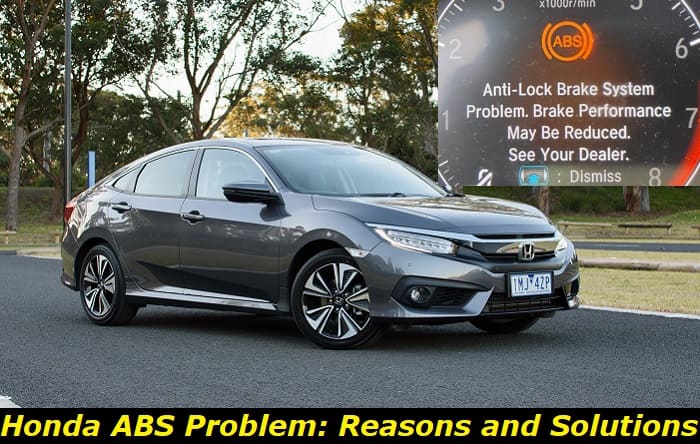
The dreaded ABS light. For decades, it’s been a source of frustration for drivers and mechanics alike, signaling a potential problem with one of the most crucial safety systems in a vehicle: the Anti-lock Braking System (ABS). While traditional diagnostics and repair procedures remain relevant, the landscape of ABS repair is undergoing a dramatic transformation, driven by advancements in electric vehicles (EVs), hybrid systems, and the integration of sophisticated smart automotive solutions.
Traditional Troubleshooting in a High-Tech World
Before diving into the future, it's crucial to remember the basics. A malfunctioning ABS often stems from issues like a faulty wheel speed sensor, a problem with the ABS module itself, a clogged hydraulic line, or low brake fluid. Standard diagnostic procedures involve using an OBD-II scanner to retrieve error codes, visually inspecting sensors and wiring, and performing hydraulic system tests. These fundamental skills will remain essential, but the tools and techniques are evolving rapidly. The increasing complexity of modern vehicles, especially EVs and hybrids, demands a deeper understanding of electronic control systems and networking protocols like CAN bus.
The Electric Avenue: ABS Challenges and Opportunities in EVs
Electric vehicles present unique challenges to ABS systems. Firstly, regenerative braking, a key feature of EVs, works in conjunction with the ABS. Understanding how these systems interact is paramount. A fault in the regenerative braking system can trigger ABS errors, and vice versa. Diagnosing such issues requires specialized knowledge of EV power electronics and control algorithms.
Secondly, EVs often employ brake-by-wire systems, eliminating the mechanical linkage between the brake pedal and the braking system. This means the ABS relies entirely on electronic signals and actuators, making it more susceptible to software glitches and sensor failures. However, this reliance also offers opportunities. Over-the-air (OTA) updates can potentially fix software-related ABS issues, reducing the need for physical repairs. Imagine a future where minor ABS glitches are resolved remotely, minimizing downtime and repair costs.
Hybrid Harmony (or Discord): Integrating ABS with Regenerative Braking
Hybrid vehicles, like EVs, utilize regenerative braking. However, the integration of regenerative and friction braking is often more complex in hybrids. The transition between the two braking systems must be seamless to maintain stability and prevent ABS activation during normal driving. Calibration of the braking control module is crucial for optimal performance. Miscalibration can lead to premature ABS engagement, reduced braking efficiency, and even safety concerns.
Advanced driver-assistance systems (ADAS), such as automatic emergency braking (AEB), rely heavily on the ABS. In hybrids, the interaction between ADAS, regenerative braking, and the ABS becomes even more intricate. Troubleshooting ABS issues in hybrids requires a holistic approach, considering the entire vehicle control system.
Smart Automotive Solutions: The Rise of Predictive Maintenance
The future of ABS repair lies in smart automotive solutions. Connected car technologies and sensor fusion are paving the way for predictive maintenance. Imagine an ABS that continuously monitors its own performance, detecting subtle anomalies before they escalate into major problems. Artificial intelligence (AI) algorithms can analyze sensor data to predict potential failures and recommend proactive maintenance.
These systems could alert drivers and mechanics to issues like a degrading wheel speed sensor or a developing hydraulic leak, allowing for timely repairs and preventing catastrophic failures. Furthermore, augmented reality (AR) tools can guide mechanics through complex diagnostic and repair procedures, improving efficiency and accuracy.
Realistic Challenges and a Call for Skill Enhancement
Despite the promise of these technologies, challenges remain. Cybersecurity is a major concern. Connected car systems are vulnerable to hacking, and a compromised ABS could have devastating consequences. Robust security measures are essential to protect vehicle systems from malicious attacks. Furthermore, the increasing complexity of automotive technology requires skilled technicians with expertise in electronics, software, and networking. Automotive repair shops must invest in training and equipment to prepare for the future of ABS repair.
Accessibility to repair information is another challenge. Manufacturers must provide independent repair shops with access to diagnostic tools, software updates, and technical documentation. A collaborative approach between manufacturers, repair shops, and technology providers is crucial to ensure that ABS systems are properly maintained and repaired throughout their lifespan.
A Vision of the Future: Safer, Smarter, More Sustainable Mobility
The evolution of ABS repair reflects the broader transformation of the automotive industry. We are moving towards a future where vehicles are safer, smarter, and more sustainable. The integration of advanced technologies like AI, connectivity, and electrification is revolutionizing how we diagnose, repair, and maintain our vehicles. While challenges exist, the potential benefits are immense. Imagine a world with zero accidents, where vehicles proactively identify and address potential safety issues, and where mobility is accessible and sustainable for all. This future is within reach, and the ongoing evolution of ABS technology is a critical step in that direction.