
How To Fool An O2 Sensor
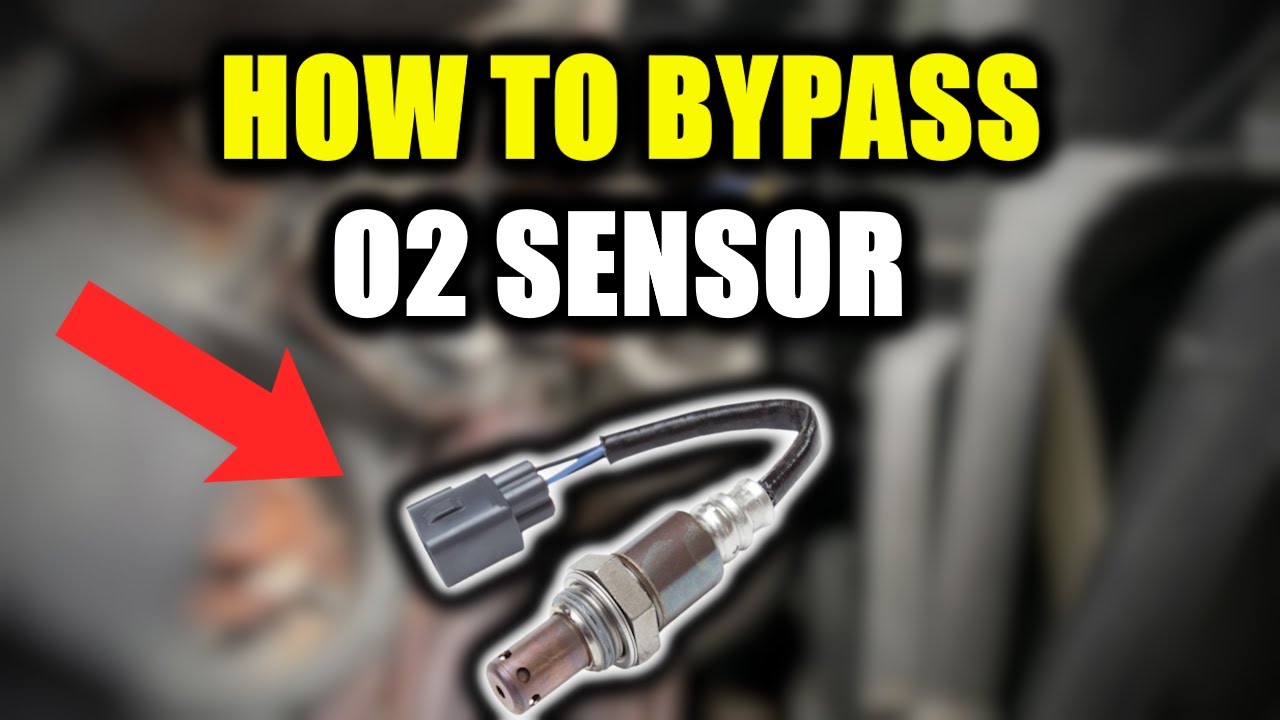
Oxygen sensors, or O2 sensors, are critical components in modern automotive emission control systems. They provide the engine control unit (ECU) with vital feedback about the exhaust gas composition, allowing it to optimize the air-fuel mixture for efficient combustion and reduced emissions. However, situations arise where manipulating or "fooling" the O2 sensor becomes a tempting, albeit often unethical and sometimes illegal, prospect. This article delves into the technical aspects of how such manipulations are achieved, their real-world performance implications, comparison with legitimate alternatives, and a discussion of reliability, maintenance, and future trends.
Methods of Manipulating O2 Sensor Readings
Several methods, ranging from simple resistor-based tricks to more sophisticated electronic devices, are used to alter the O2 sensor signal. It’s crucial to understand the underlying principles of O2 sensor operation before exploring these techniques.
Resistor Modifications
The most basic method involves inserting a resistor in series with the O2 sensor signal wire. This effectively reduces the voltage signal reaching the ECU. The resistor value is typically chosen to simulate a leaner-than-actual condition. A lean condition reported by the O2 sensor prompts the ECU to richen the air-fuel mixture. This method is crude and lacks precision but can sometimes mask minor issues, like slightly rich fuel trims caused by other malfunctioning components. This technique is generally only effective with older, pre-OBD-II vehicles or as a temporary fix for catalytic converter inefficiency.
Pros: Inexpensive, simple to implement.
Cons: Inaccurate, can damage the engine due to overly rich mixtures, limited applicability, potential for triggering check engine lights (CELs), illegal in many jurisdictions.
Mechanical Spacers
These are primarily used on downstream (post-catalytic converter) O2 sensors. They physically move the sensor further out of the exhaust stream, reducing its exposure to exhaust gases. The intent is to trick the ECU into believing the catalytic converter is operating more efficiently than it actually is. This is most often deployed when the catalytic converter is failing or has been removed. They work by reducing the sensor's exposure to the post-catalytic converter exhaust stream, thus providing a reading closer to what would be expected from a functional converter.
Pros: Relatively inexpensive, simple installation.
Cons: May not be effective on all vehicles, can still trigger CELs if the catalytic converter is severely degraded, masks the underlying problem, potentially illegal.
Electronic Simulators
These devices actively generate a simulated O2 sensor signal that is fed to the ECU. They offer more precise control over the signal than resistor modifications. More advanced simulators can be programmed with specific voltage curves to mimic different operating conditions. Some even incorporate microcontroller-based algorithms to dynamically adjust the simulated signal based on engine load and other parameters. These devices can use a lookup table of voltage values mapped to RPM and throttle position to generate a more realistic signal.
Pros: More precise control over the signal, potentially less likely to trigger CELs, adaptable to various engine configurations.
Cons: More expensive than resistor modifications or spacers, requires more technical expertise to install and configure, potential for damage if configured incorrectly, illegal in many jurisdictions, can mask serious underlying engine problems.
Piggyback ECUs
While primarily used for performance tuning, piggyback ECUs can also be used to manipulate O2 sensor readings. These devices intercept and modify the signals between the ECU and various engine sensors, including the O2 sensor. They can alter the O2 sensor signal directly or indirectly by modifying fuel injection parameters based on the sensor readings. For example, a piggyback ECU could artificially lean out the air-fuel mixture at high RPMs despite the O2 sensor reporting a rich condition. The manipulation is often embedded within a larger tuning strategy.
Pros: Highly versatile, allows for sophisticated engine tuning and modification of various parameters, can address specific performance issues.
Cons: Expensive, requires significant technical expertise to install and configure, can easily damage the engine if configured incorrectly, potential for voiding warranty, illegal in many jurisdictions, complex interaction can lead to unpredictable results.
Real-World Performance and Implications
The performance impact of fooling an O2 sensor varies greatly depending on the method used and the specific application. Simple resistor modifications are unlikely to produce noticeable performance gains and may even degrade fuel economy and increase emissions. More sophisticated electronic simulators can potentially improve performance in certain scenarios, such as when masking a faulty catalytic converter. However, these gains are often short-lived and come at the expense of increased emissions and potential engine damage. Piggyback ECUs offer the most potential for performance enhancement, but they also carry the greatest risk. Incorrectly configured piggyback ECUs can lead to catastrophic engine failure.
Regardless of the method used, fooling an O2 sensor is generally a band-aid solution that masks an underlying problem. Instead of addressing the root cause, it simply attempts to deceive the ECU. This can lead to further complications and potentially more costly repairs down the line.
Alternatives to O2 Sensor Manipulation
Rather than attempting to fool the O2 sensor, it is almost always preferable to address the underlying issue. This may involve replacing a faulty catalytic converter, repairing a vacuum leak, cleaning or replacing fuel injectors, or addressing other engine problems. Proper diagnosis is key to identifying the root cause and implementing the appropriate repair. Furthermore, for performance enhancement, consider professional engine tuning by a qualified technician. Proper tuning, which may involve ECU remapping (where legal and ethical), can optimize engine performance without compromising emissions or reliability. Look for tuners who utilize dyno testing and air/fuel ratio monitoring to ensure safe and effective tuning.
For example, if a P0420 code (Catalyst System Efficiency Below Threshold) is present, resist the temptation to use a spacer or simulator. Instead, perform a thorough inspection of the exhaust system, including the catalytic converter, O2 sensors, and exhaust manifold. Check for leaks, damage, or deterioration. If the catalytic converter is indeed failing, replace it with a quality replacement.
Reliability and Maintenance
Methods of manipulating O2 sensors generally decrease the reliability of the emissions system and, potentially, the engine itself. Resistors and spacers are relatively passive devices and are unlikely to fail on their own. However, electronic simulators and piggyback ECUs are more complex and prone to failure. Furthermore, any modification that alters the air-fuel mixture can increase the risk of engine damage. Overly rich mixtures can lead to carbon buildup, while overly lean mixtures can cause detonation and overheating. Regular inspection and maintenance are crucial for vehicles with modified O2 sensor systems. This includes monitoring fuel trims, checking for unusual engine behavior, and performing regular spark plug inspections. Using high-quality replacement parts is essential to minimize the risk of failure.
Future Trends
The automotive industry is moving towards increasingly sophisticated emission control systems. Future vehicles will likely incorporate more advanced O2 sensors with faster response times and greater accuracy. Onboard diagnostics will also become more sophisticated, making it more difficult to fool the ECU without detection. Furthermore, the increasing adoption of electric vehicles (EVs) and hybrid electric vehicles (HEVs) will gradually reduce the reliance on internal combustion engines and O2 sensors. However, even in HEVs, O2 sensors will still play a role in controlling emissions. Future trends in O2 sensor technology may include wireless sensors, integrated diagnostic capabilities, and self-calibration features.
Additionally, increasing regulatory scrutiny and advancements in anti-tampering technology will make it more challenging and risky to manipulate O2 sensors. Law enforcement agencies are becoming increasingly adept at detecting and prosecuting individuals and businesses involved in illegal emission control modifications.
Conclusion
While manipulating O2 sensors may seem like a quick fix or a way to gain a performance advantage, it is generally a misguided and often illegal practice. It masks underlying problems, can lead to engine damage, and contributes to increased emissions. Automotive professionals should always prioritize proper diagnosis and repair over shortcuts and deceptive practices. The future of the automotive industry lies in cleaner, more efficient vehicles. Embracing ethical and responsible practices is essential for ensuring a sustainable future.