
How To Get A Stuck Key Out Of An Ignition
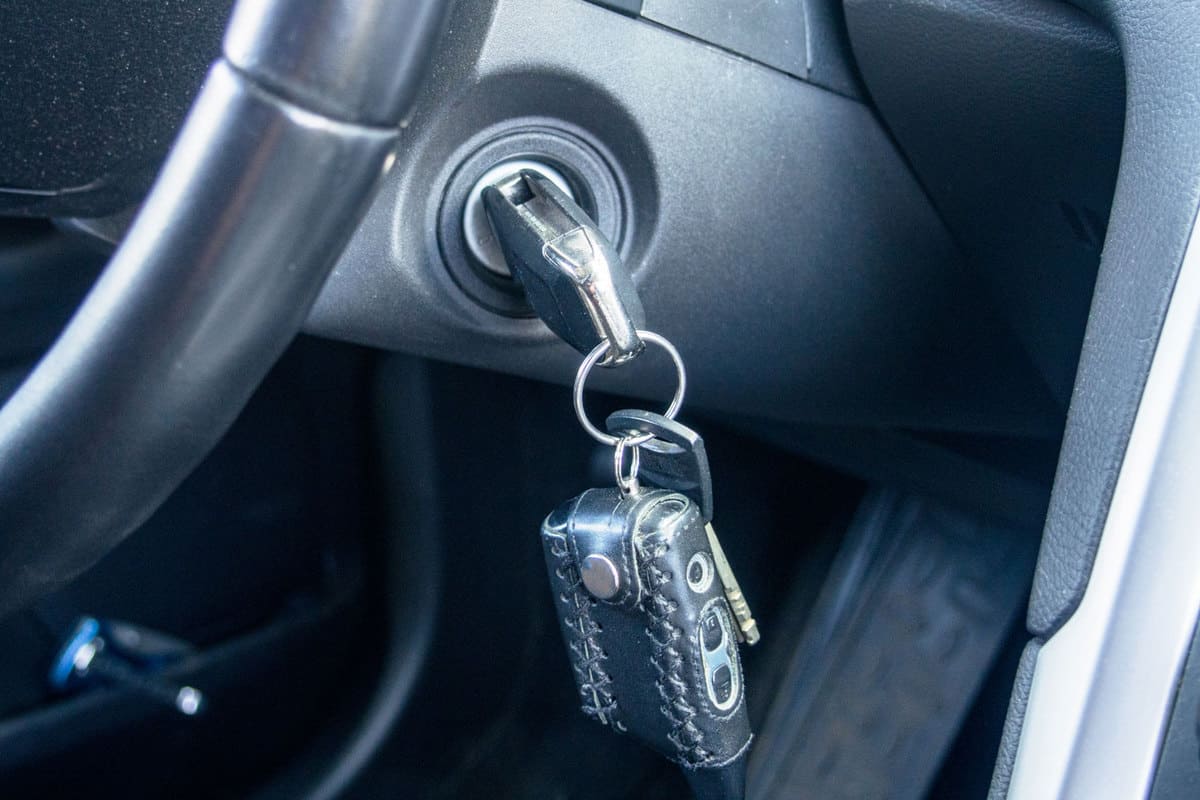
Let's face it: dealing with a stuck key in the ignition is an automotive rite of passage, a frustrating experience that transcends generations of drivers. But in a world rapidly shifting towards electric vehicles (EVs), hybrid systems, and ever-smarter automotive solutions, the very concept of a physical key is becoming increasingly archaic. Yet, millions of vehicles on the road today still rely on this piece of metal, and the gremlins that plague them persist. So, while we gaze into the electric and autonomous future, let's address a stubbornly present problem: how to coax a stuck key out of your ignition, and how the future of mobility might make this a distant memory.
The Current Culprits: A Diagnosis of the Sticky Situation
Before we delve into solutions, it's crucial to understand why keys get stuck in the first place. The usual suspects include:
- Worn Tumblers: Years of use can wear down the intricate mechanisms within the ignition cylinder, causing the key to catch.
- Debris Buildup: Dust, dirt, and grime can accumulate within the cylinder, hindering the key's smooth movement.
- Bent or Damaged Key: Even slight damage to your key can prevent it from properly aligning with the ignition tumblers.
- Steering Wheel Lock Issues: Sometimes, the steering wheel lock mechanism can bind, preventing the key from turning to the "off" position and, therefore, removal.
- Ignition Switch Malfunction: In more severe cases, the ignition switch itself might be faulty, requiring professional repair or replacement.
Traditional solutions often involve jiggling the key, applying lubricant (like graphite powder – never WD-40!), and gently maneuvering the steering wheel. However, these are temporary fixes, and a persistent problem likely indicates a deeper issue.
Looking Ahead: The Electric Revolution and Keyless Entry
The rise of electric vehicles and advanced keyless entry systems promises to render the stuck-key scenario obsolete. EVs, by their very nature, eliminate the need for a traditional ignition cylinder. Starting and stopping the vehicle is typically managed through a push-button start system, often integrated with sophisticated key fobs or even smartphone apps. Imagine a future where your phone is your car key, unlocking doors, starting the engine (or rather, activating the electric motor), and even adjusting personalized settings – all seamlessly and wirelessly.
Furthermore, hybrid systems often incorporate similar keyless technologies, offering a more convenient and reliable alternative to traditional keys. These systems frequently utilize radio-frequency identification (RFID) or Bluetooth technology for secure authentication, reducing the risk of key-related issues.
However, the transition to this keyless future isn't without its challenges. Cybersecurity is a major concern. Keyless entry systems are vulnerable to hacking and relay attacks, where thieves can intercept and amplify the signal from your key fob to unlock and steal your vehicle. Automakers are constantly working to improve the security of these systems, but it remains an ongoing arms race.
Smart Automotive Solutions: Beyond the Key
Beyond simply eliminating the key, smart automotive solutions are revolutionizing how we interact with our vehicles. Over-the-air (OTA) updates allow automakers to remotely diagnose and even fix certain software-related issues, potentially preventing ignition switch malfunctions and other electronic problems. Predictive maintenance algorithms can analyze vehicle data to anticipate potential problems before they occur, allowing drivers to schedule preventative maintenance and avoid unexpected breakdowns.
Furthermore, biometric authentication, such as fingerprint scanning or facial recognition, is emerging as a potential alternative to key fobs and smartphone apps. Imagine unlocking your car simply by looking at it, a truly keyless and personalized experience. However, widespread adoption of biometric systems raises privacy concerns, and the technology must be robust and reliable to avoid frustrating drivers.
Realistic Challenges and the Path Forward
While the future of mobility is undoubtedly exciting, it's crucial to acknowledge the realistic challenges that lie ahead. The transition to EVs and keyless systems will take time and significant investment in infrastructure and technology. Affordability remains a barrier for many consumers, and the availability of charging stations is still limited in certain areas. Moreover, the automotive industry must address the ethical and societal implications of autonomous driving and data privacy.
Despite these challenges, the automotive industry is actively working to overcome them. Battery technology is constantly improving, driving down costs and increasing range. Automakers are investing heavily in charging infrastructure, and governments are providing incentives to accelerate the adoption of EVs. By embracing innovation and collaborating across industries, we can create a more sustainable, connected, and convenient future of mobility.
The ultimate vision is a world where mobility is seamless, intuitive, and personalized. A world where the anxiety of a stuck key is replaced by the ease of a connected and intelligent driving experience. We are moving towards a future where cars understand our needs, anticipate our desires, and adapt to our individual preferences. The era of the physical key is fading, giving way to a new era of smart automotive solutions that prioritize convenience, security, and sustainability. The road ahead is paved with innovation, and the journey promises to be transformative.