
How To Get Blood Stains Out Of A Car Seat
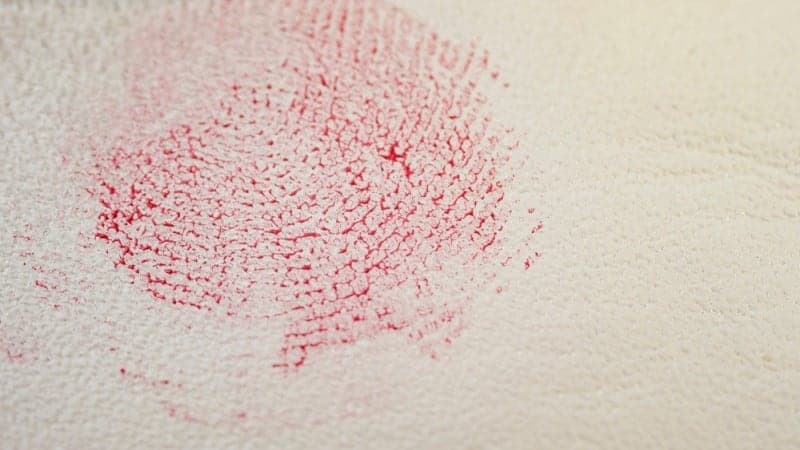
So, you've got a blood stain on your car seat. It happens. Maybe it's a minor nosebleed from a dry winter day, a post-surgery hiccup, or an unfortunate mishap while transporting something. Whatever the reason, seeing that red splotch on your upholstery can be disheartening. But don't panic! Getting blood stains out of a car seat is definitely achievable, especially if you act quickly.
Think of me as your friendly neighborhood service advisor here to guide you through the process. I've seen all sorts of stains come through the shop, and blood is a fairly common one. The key is to tackle it with the right techniques and avoid making it worse.
The Urgency Factor: Act Fast!
This is the golden rule: The sooner you address the stain, the better your chances of complete removal. Fresh blood is far easier to deal with than dried blood, which has had time to seep deeper into the fibers and coagulate. Time is of the essence!
Even if you can't get to a full cleaning immediately, try to blot up as much of the excess blood as possible with a clean, dry cloth or paper towel. Apply firm pressure, but avoid rubbing, as that will only spread the stain.
Gathering Your Arsenal: Supplies You'll Need
Before you dive in, make sure you have the necessary tools and cleaning agents at hand. A well-prepared attack will yield the best results. Here's what I recommend:
- Cold Water: Never use hot water on blood stains. Heat will cause the protein in the blood to bind to the fabric, making the stain virtually impossible to remove.
- Clean Microfiber Cloths: You'll need several for blotting and cleaning. Microfiber is gentle and absorbent.
- Spray Bottle: For applying cleaning solutions.
- Old Toothbrush or Soft-Bristled Brush: For gently scrubbing the stain.
- Dish Soap (Mild): A gentle dish soap like Dawn can be surprisingly effective.
- Hydrogen Peroxide (3% Solution): A powerful stain remover, but use with caution (more on that later).
- Baking Soda: An excellent absorbent and odor neutralizer.
- White Vinegar: Another effective cleaner and odor remover.
- Wet/Dry Vacuum (Optional): This can help extract cleaning solutions and speed up the drying process.
- Upholstery Cleaner (Commercial): If you prefer a store-bought option, choose one specifically designed for upholstery cleaning.
The Step-by-Step Stain Removal Process
Alright, let's get down to business. Here's a breakdown of the recommended steps for removing blood stains from your car seat:
Step 1: Initial Blotting and Cold Water Rinse
As mentioned earlier, start by blotting up as much fresh blood as possible with a clean, dry cloth. Once you've removed the excess, dampen another clean cloth with cold water and gently blot the stained area. Avoid rubbing!
Continue blotting with fresh, clean sections of the cloth until you're no longer seeing blood transfer onto the cloth. This may take some time and patience.
Step 2: Mild Dish Soap Solution
Mix a small amount of mild dish soap (about a teaspoon) with a cup of cold water in your spray bottle. Lightly spray the stained area with the solution, ensuring you don't oversaturate the fabric.
Using a clean microfiber cloth or soft-bristled brush, gently work the solution into the stain. Use small, circular motions, being careful not to spread the stain. Let the solution sit for a few minutes (no more than 5).
Blot the area again with a clean, damp cloth to remove the soap solution. Repeat this process as needed until the stain starts to fade.
Step 3: Hydrogen Peroxide (Use with Caution!)
Hydrogen peroxide is a powerful bleaching agent, so it's crucial to test it in an inconspicuous area of your car seat first to ensure it doesn't discolor the fabric. Apply a small amount to a hidden spot and let it sit for a few minutes. If there's no adverse reaction, you can proceed with caution.
Dampen a clean cloth with hydrogen peroxide (3% solution) and gently blot the stained area. You may see some bubbling, which is a good sign – it means the peroxide is breaking down the blood proteins.
Do not pour hydrogen peroxide directly onto the car seat! Always apply it with a cloth.
After blotting with hydrogen peroxide, immediately blot the area with a clean, damp cloth to remove any residue. Again, repeat as needed, but don't overdo it.
Step 4: Baking Soda Paste (For Stubborn Stains)
If the stain persists after trying the dish soap and hydrogen peroxide, you can try a baking soda paste. Mix baking soda with a small amount of cold water to form a thick paste.
Apply the paste to the stained area and let it dry completely. This may take several hours or even overnight. Once the paste is dry, vacuum it up thoroughly using a wet/dry vacuum or a regular vacuum with a hose attachment.
Step 5: White Vinegar Rinse (For Odor Removal)
Blood stains can sometimes leave behind a lingering odor. To combat this, mix equal parts white vinegar and cold water in a spray bottle.
Lightly spray the cleaned area with the vinegar solution and let it sit for a few minutes. Then, blot the area with a clean, damp cloth to remove the vinegar. The vinegar smell will dissipate as it dries.
Step 6: Drying is Crucial
Once you've completed the cleaning process, it's essential to thoroughly dry the car seat to prevent mold or mildew growth. Use a clean, dry towel to blot up as much moisture as possible. You can also use a fan or a dehumidifier to speed up the drying process.
If possible, park your car in a sunny spot with the windows open to allow for natural drying. Make sure the area is completely dry before using the seat again.
When to Call in the Professionals
While these DIY methods can be effective, some stains are simply too stubborn or extensive to tackle on your own. If you've tried these steps and the stain persists, or if you're dealing with a delicate upholstery material like leather, it's best to consult a professional auto detailer. They have specialized equipment and cleaning solutions that can safely and effectively remove even the most challenging stains.
Professional detailing can range from $50 to $200 depending on the severity of the stain and the size of the area that needs cleaning. Think of it as an investment in preserving the value and appearance of your vehicle.
Prevention is Key
Of course, the best way to deal with blood stains is to prevent them in the first place. Consider using seat covers, especially if you frequently transport items that could potentially cause bleeding. Keep a stain removal kit in your car for quick action in case of accidents. And remember, a little preventative maintenance can go a long way in keeping your car's interior looking its best.
Good luck tackling that stain! Remember to be patient, persistent, and always test cleaning solutions in an inconspicuous area first. With a little effort and the right techniques, you can get your car seat looking as good as new.