
How To Get Into A Locked Car Without Keys
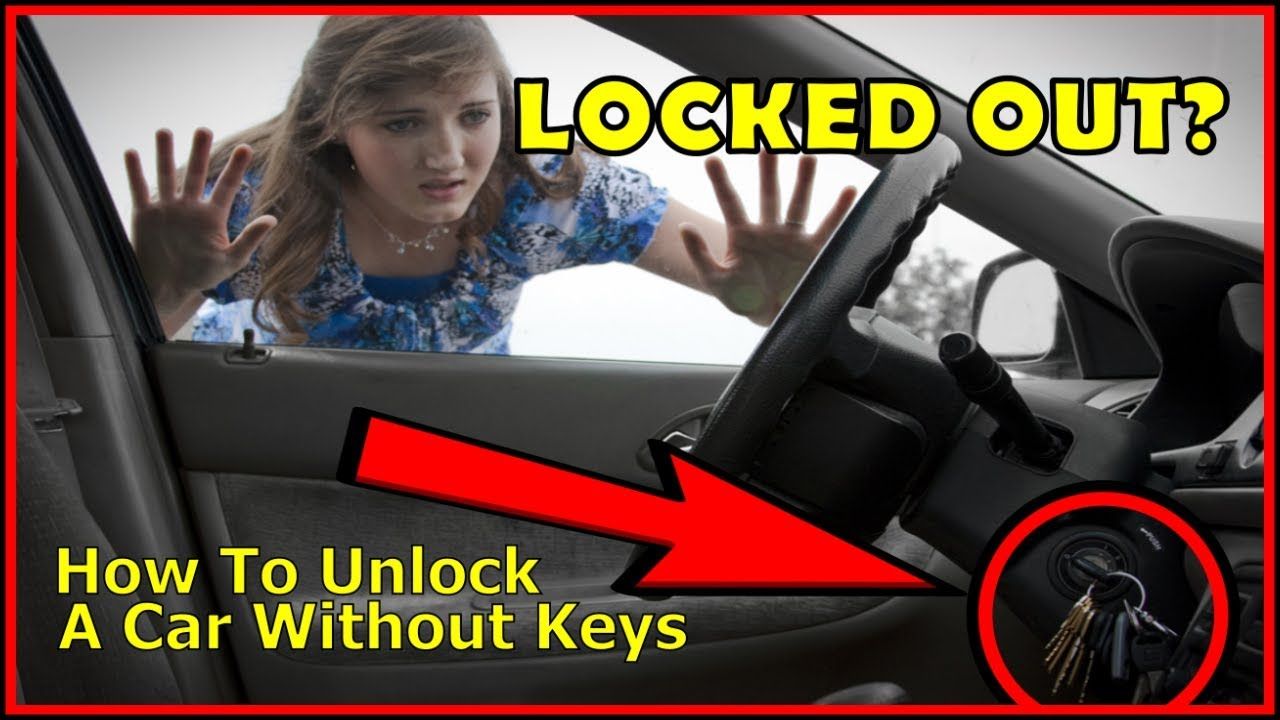
Getting locked out of your car is a frustrating experience. Whether you've misplaced your keys, accidentally locked them inside, or are dealing with a malfunctioning electronic system, knowing how to regain entry safely and without causing damage is crucial. This article provides practical methods for car owners and mechanics to address this common problem, focusing on maintenance, troubleshooting, and real-world scenarios.
The Coat Hanger Method: A Classic, But Risky, Approach
Symptom: Visible lock rod inside the door. Cause: Older vehicles often have mechanical lock systems that are accessible. Solution: The coat hanger method involves bending a wire coat hanger into a hook shape. Carefully insert the hanger between the window and the weather stripping, aiming for the lock rod. With patience and finesse, you can attempt to manipulate the rod and unlock the door. However, be warned: this method can easily damage the internal locking mechanism, scratch the paint, or even crack the window if you apply too much force.
Real-world example: This method is most effective on older cars like a 1990s Honda Civic or a Toyota Corolla. Newer models often have more complex locking systems that are difficult, if not impossible, to manipulate with a coat hanger.
Maintenance Tip: Regularly lubricate the lock cylinders with a graphite-based lubricant to prevent them from seizing up. This can make using a physical key easier and reduce the likelihood of a lockout due to a sticky lock.
Using a Slim Jim: Proceed with Caution
Symptom: Locked car, familiarity with internal door components. Cause: Professional auto locksmiths and mechanics sometimes use a slim jim, a thin metal tool designed to slide between the door and window frame to manipulate the locking mechanism. Solution: Inserting the slim jim requires knowledge of the car's internal locking system. Without proper training, you risk damaging wiring, airbag sensors, or the locking mechanism itself. Improper use can trigger alarms and even damage the door's structural integrity. This method is generally not recommended for inexperienced individuals.
Troubleshooting: Before attempting to use a slim jim, research your specific car model's locking system. Online diagrams and repair manuals can provide valuable information. If you're unsure, contact a qualified locksmith.
Real-world example: A mechanic working on a 2010 Ford F-150 might use a slim jim, but they would have access to the vehicle's repair manual and the necessary expertise to avoid damaging sensitive components.
Wedge and Long Reach Tool: Creating Space and Reaching the Unlock Button
Symptom: Electronically locked car with keys visible inside. Cause: Accidental locking of the doors, leaving keys inside. Solution: This method involves using an inflatable wedge to create a small gap between the door frame and the car body. Once a sufficient gap is created, a long reach tool (a metal rod with a gripping mechanism at the end) can be inserted to press the unlock button or grab the keys. This is a relatively safe method if done carefully.
Maintenance Tip: Check the condition of your door seals regularly. Worn or damaged seals can make it more difficult to insert the wedge and increase the risk of damage. Replace seals as needed to maintain a tight seal and prevent water leaks.
Real-world example: This method is commonly used on newer vehicles like a 2022 Tesla Model 3 or a 2018 Jeep Grand Cherokee, where electronic locking systems are prevalent. The long reach tool allows you to press the unlock button on the door panel without damaging the car's interior.
Calling a Locksmith or Roadside Assistance: The Safest Bet
Symptom: Inability to unlock the car using other methods, concerns about causing damage. Cause: Complex locking systems, lack of experience, or fear of damaging the vehicle. Solution: Contacting a professional locksmith or roadside assistance service is often the safest and most reliable option. Locksmiths have specialized tools and expertise to unlock cars without causing damage. Roadside assistance services, often included with car insurance or manufacturer warranties, can also provide lockout assistance.
Troubleshooting: Before calling, gather information about your car's make, model, and year. This will help the locksmith or roadside assistance provider prepare the appropriate tools and techniques.
Real-world example: If you've locked your keys in a high-end vehicle like a Mercedes-Benz or BMW, calling a locksmith is highly recommended. These cars often have sophisticated security systems that require specialized tools and knowledge to bypass.
Preventing Future Lockouts: Proactive Measures
Key Management: Always keep a spare key in a safe and accessible location, such as with a trusted friend or family member, or in a lockbox at your home. Consider purchasing a magnetic key holder that can be discreetly attached to the underside of your vehicle (ensure it's not easily visible or accessible to thieves). Electronic key finders can also be helpful in locating misplaced keys.
Remote Key Fobs: Ensure your remote key fob is functioning correctly and that the battery is in good condition. Replace the battery regularly to prevent unexpected malfunctions. Learn how to use the key fob's features, such as remote start and door unlocking, effectively.
Digital Key Systems: Many newer cars offer digital key systems that allow you to unlock and start your car using your smartphone. Familiarize yourself with your car's digital key features and set up backup methods, such as a PIN code or a physical key, in case your phone's battery dies or you lose your phone.
Maintenance Tip: Regular car maintenance is key to preventing a wide range of problems, including lockouts. Ensure that your car's electrical system is in good working order, as a malfunctioning electrical system can sometimes cause the doors to lock or unlock unexpectedly. Periodically check the door lock mechanisms and lubricate them as needed to prevent them from seizing up.
By understanding these methods and taking proactive measures, you can be prepared for the unfortunate event of a car lockout and minimize the risk of damage to your vehicle. Remember that safety and caution should always be your top priorities. When in doubt, call a professional.