
How To Get Key Out Of Ignition When Stuck
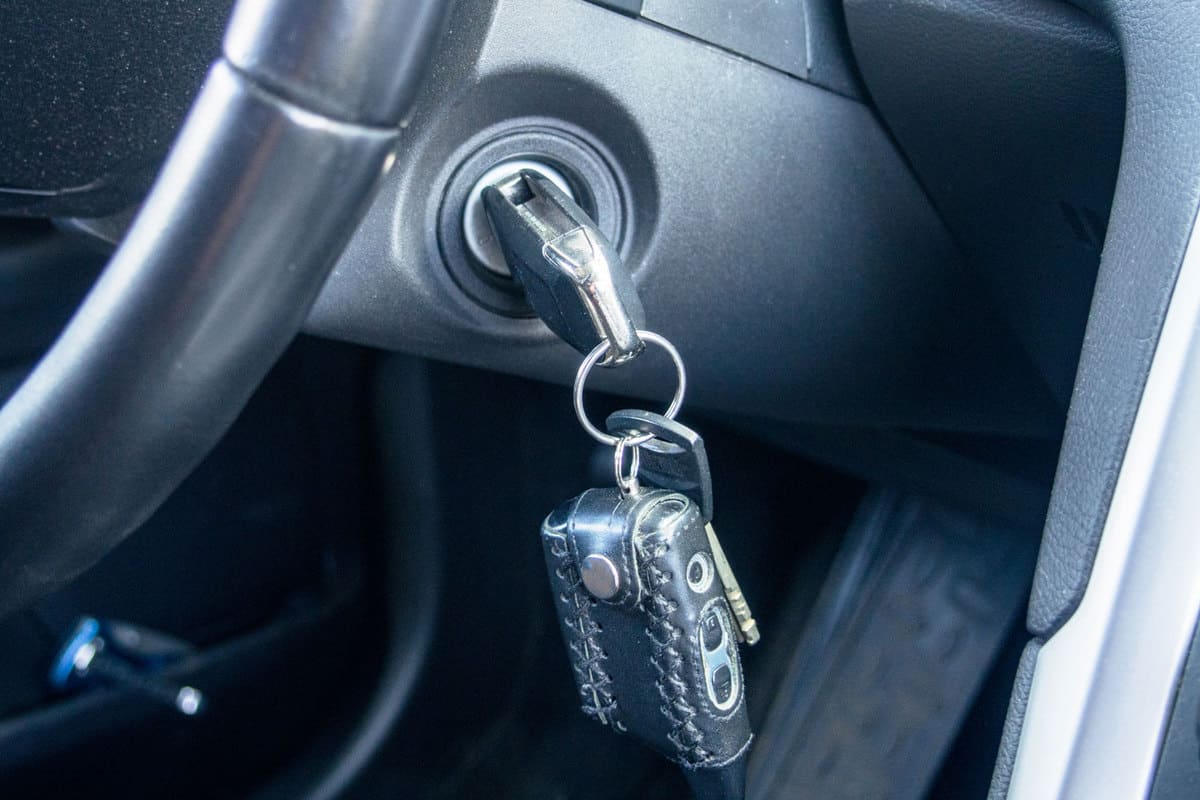
Okay, so you're here because your key is stuck in the ignition. Don't worry, it happens! It's a common frustration, and while it can feel like you're stranded, often the fix is simpler than you think. This article will walk you through the most common causes and how to address them, saving you a potential trip to the mechanic (and the associated bill!).
Understanding Why Your Key Is Stuck
Before we dive into solutions, let's understand the usual suspects. A stuck key usually points to a problem within one of these areas:
- The Steering Wheel Lock Mechanism: This is the most frequent culprit. Your steering wheel is designed to lock to prevent theft. If the wheel is putting pressure on the locking pin, it can bind the ignition cylinder.
- The Ignition Cylinder Itself: Over time, the internal tumblers and wafers in the ignition cylinder can wear down or become misaligned. Debris can also accumulate, causing the key to get stuck.
- The Gear Shift Interlock: Modern vehicles have a safety feature that prevents the key from being removed unless the car is definitively in "Park" (P). A faulty interlock can mistakenly think the car isn't in Park, preventing key removal.
- A Worn or Damaged Key: Sometimes, the simplest answer is the right one. A bent, worn, or damaged key can have trouble engaging properly with the ignition cylinder.
- Electrical Issues: In some rare cases, electrical problems related to the ignition system or the car's computer can prevent the key from being released.
Troubleshooting Steps: The Steering Wheel Wiggle
Let's start with the easiest and most common fix. This involves manipulating the steering wheel while gently trying to remove the key. This addresses the steering wheel lock issue we discussed earlier.
- Apply Gentle Pressure: Without forcing anything, gently try to pull the key straight out of the ignition.
- Wiggle the Steering Wheel: While maintaining that gentle pressure on the key, slightly wiggle the steering wheel left and right. Don't use excessive force. Think of it as a small, gentle rocking motion.
- Listen for a Click: As you wiggle the steering wheel, listen carefully. You might hear a faint *click* or feel a slight release as the steering wheel lock disengages.
- Try Again: If you hear or feel that release, immediately try to pull the key out.
- Repeat if Necessary: It might take a few tries. Keep wiggling the steering wheel and gently pulling on the key until it releases.
Important Note: Never use excessive force when trying to remove the key. Forcing it can damage the key or the ignition cylinder, making the problem worse and more expensive to fix.
Checking the Gear Shift
If the steering wheel wiggle doesn't work, let's check the gear shift. Even if you *think* the car is in Park, a slight misalignment or a faulty sensor can prevent the key from releasing.
- Ensure You're in Park: Double-check that the gear shift is fully engaged in the "Park" (P) position.
- Apply the Parking Brake: Engaging the parking brake can sometimes help ensure the car is securely in Park, which might trigger the interlock to release.
- Shift to Neutral and Back to Park: Sometimes, shifting to Neutral (N) and then carefully back into Park (P) can reset the gear shift interlock mechanism.
- Try Again: After each of these steps, try to remove the key from the ignition.
Examining Your Key
Take a close look at your key. Is it bent, worn, or damaged in any way? Even slight imperfections can cause problems.
- Visual Inspection: Check for any visible bends, cracks, or signs of wear, especially around the teeth of the key.
- Try a Spare Key: If you have a spare key, try using it. If the spare key works, then the problem is likely with your original key.
If your key is damaged, get a new one made as soon as possible. A locksmith or your car dealership can create a new key based on your car's VIN or by copying your existing key (if it's still usable enough to copy).
Tools and DIY Options (With Caution!)
While I generally recommend seeking professional help for ignition cylinder issues, there are a couple of things you can try very carefully, understanding that you're proceeding at your own risk and could potentially cause further damage.
Tools You Might Need:
- WD-40 or Graphite Lubricant (Specifically for Locks): Never use oil-based lubricants like regular WD-40 inside an ignition cylinder. These can attract dirt and make the problem worse. Use a graphite-based lubricant specifically designed for locks.
- Thin Straw or Applicator: To apply the lubricant precisely.
- Key Extractor Tool (Optional): These specialized tools are designed to remove broken keys from locks and might help dislodge debris. They can be purchased online or at auto parts stores.
DIY Attempts (Proceed with Caution!):
- Lubricate the Ignition Cylinder: Carefully spray a *small* amount of graphite lubricant into the ignition cylinder. Insert and remove the key several times to distribute the lubricant. This might help dislodge any debris that's causing the key to stick.
- Try a Key Extractor (If Applicable): If you suspect there's debris in the ignition cylinder, a key extractor tool might help you remove it. Follow the instructions that come with the tool carefully.
Important Warning: Avoid using excessive force or inserting anything other than the key or a proper key extraction tool into the ignition cylinder. You could damage the delicate internal mechanisms.
When to Call a Professional
If you've tried the above steps and your key is still stuck, it's time to call a professional. Continuing to force the issue can lead to more significant damage and higher repair costs. Here are some situations where professional help is essential:
- You've tried the steering wheel wiggle and gear shift checks without success.
- Your key is visibly damaged or broken inside the ignition cylinder.
- You suspect there's a more serious mechanical issue with the ignition cylinder or steering column.
- You're uncomfortable attempting any DIY repairs.
Who to Call:
- A Qualified Mechanic: A mechanic specializing in automotive electrical and ignition systems will be able to diagnose and repair the problem.
- A Locksmith: A locksmith experienced in automotive locks and ignitions can often extract stuck keys and repair or replace ignition cylinders. Often a less expensive option than the dealership!
- Your Car Dealership: The dealership is always an option, but their prices are generally higher than independent mechanics or locksmiths.
Approximate Repair Costs
Repair costs can vary depending on the severity of the problem and the type of vehicle you own. Here's a general idea:
- Key Extraction: $50 - $150 (Locksmith)
- Ignition Cylinder Repair: $150 - $400 (Mechanic or Locksmith)
- Ignition Cylinder Replacement: $300 - $800 (Mechanic or Dealership - Includes parts and labor)
- Key Replacement: $50 - $300 (Depending on the type of key and whether it needs to be programmed)
- Gear Shift Interlock Repair: $200 - $500 (Mechanic)
These are just estimates. Always get a quote from a qualified professional before authorizing any repairs.
Prevention Tips
While you can't always prevent a key from getting stuck, here are a few things you can do to minimize the risk:
- Use a Key Fob or Key Chain: Avoid overloading your keychain with heavy items. The extra weight can put unnecessary stress on the ignition cylinder.
- Keep Your Key Clean: Wipe your key periodically to remove dirt and debris.
- Address Stiffness Early: If you notice the key becoming increasingly difficult to insert or turn, address the issue promptly. Don't wait until it gets completely stuck.
- Consider a Keyless Start System: If you're in the market for a new car, consider a keyless start system. This eliminates the need to insert a key into the ignition cylinder altogether.
Getting a key stuck in the ignition can be frustrating, but by following these steps, you'll hopefully be able to resolve the issue yourself or at least have a better understanding of what's involved in getting it fixed by a professional. Good luck!