
How To Get Lug Nuts Off That Are To Tight
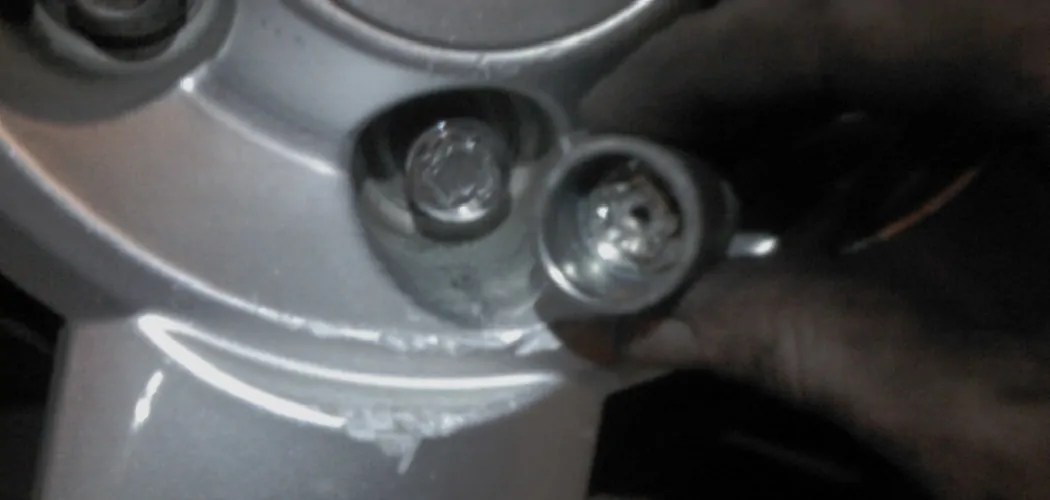
Ah, the dreaded stuck lug nut. We've all been there. You're roadside, late for an appointment, or simply trying to rotate your tires in the driveway, and one or more lug nuts refuse to budge. Panic sets in, visions of stripped threads and broken tools dance in your head. Fear not, fellow gearheads. There are several tried-and-true methods to conquer even the most stubbornly overtightened lug nuts. This article will walk you through a systematic approach, from the simplest techniques to the more aggressive, ensuring you can get that wheel off without causing irreparable damage.
Leverage and Mechanical Advantage: Your First Line of Defense
The most common reason lug nuts are difficult to remove is simply insufficient leverage. The factory-supplied lug wrench is often woefully inadequate. Your first upgrade should be a quality breaker bar, preferably at least 24 inches long. The longer the bar, the more torque you can apply. Pair this with a set of impact-rated sockets – a standard socket can shatter under the stress of breaking loose a stubborn nut. Ensure the socket fits snugly; a loose fit can round off the lug nut edges, making the situation even worse.
Before applying force, make sure the vehicle is securely parked on a level surface with the parking brake engaged. Chock the wheels opposite the one you're working on for added safety. Position the socket and breaker bar on the lug nut, ensuring it's fully seated. Now, apply steady, even pressure. Avoid jerky movements, as this can damage the lug nut or the wheel stud. If the nut still resists, try this trick: position the breaker bar horizontally, and gently tap it with a hammer. The shock can sometimes break the bond between the nut and the stud. Remember to always pull on the breaker bar rather than pushing – this allows you to exert more force while maintaining better control.
Penetrating Oil: The Loosening Elixir
Corrosion is another major culprit behind stuck lug nuts. Rust can effectively weld the nut to the stud. In such cases, a good penetrating oil like PB Blaster or Liquid Wrench is your friend. Generously spray the penetrating oil around the base of the lug nut where it meets the wheel. Allow ample time for the oil to work its way into the threads – ideally, at least 15-30 minutes, or even longer for severely corroded nuts. Reapply the oil periodically during this soak time. After soaking, retry the breaker bar method. The penetrating oil should significantly reduce the friction, making it easier to loosen the nut.
Heat: A Last Resort for Extreme Cases
If leverage and penetrating oil fail, heat can be used as a last resort. **Extreme caution** is necessary when using heat, as you could damage the wheel, tire, or even ignite nearby flammable materials. A propane torch, used carefully, can expand the lug nut slightly, breaking the corrosion bond. Focus the heat on the lug nut itself, avoiding direct contact with the wheel. Heat the nut for short bursts (15-20 seconds) and then immediately try the breaker bar. Allow the nut to cool slightly between heating attempts. Remember to wear appropriate safety gear, including gloves and eye protection, when using heat.
Important Safety Note: Never use heat near fuel lines or other flammable components. Ensure a fire extinguisher is readily available. Also, heating lug nuts can weaken them, so it’s advisable to replace any lug nuts subjected to this method.
The Impact Wrench: The Powerhouse Solution
For those who regularly work on vehicles, an impact wrench is an invaluable tool. These tools use compressed air or electricity to deliver high levels of torque in short bursts. An impact wrench can often remove lug nuts that are completely immoveable with hand tools. Ensure you use impact-rated sockets with your impact wrench to prevent them from shattering. When using an impact wrench, start with the lowest torque setting and gradually increase it until the nut breaks free. Avoid prolonged hammering on a single nut, as this can damage the stud.
Stripped Lug Nuts: The Point of No Return?
Despite your best efforts, sometimes a lug nut becomes stripped. This is where the edges of the nut are rounded off, making it impossible for a socket to grip. Several specialized tools are available to remove stripped lug nuts, including lug nut extractors (also known as bolt extractors) and nut splitters. Lug nut extractors are designed to grip the rounded-off nut and provide a secure surface for turning. Nut splitters use a hardened steel blade to cut through one side of the nut, allowing it to be removed. If these tools fail, the last resort is often to weld a new nut onto the stripped one, providing a fresh surface for removal. However, welding should only be attempted by experienced professionals.
Prevention is Key: Proper Lug Nut Torque
The best way to avoid struggling with stuck lug nuts is to prevent them from becoming overtightened in the first place. Always use a torque wrench to tighten lug nuts to the manufacturer's specified torque value. This ensures that the nuts are tight enough to secure the wheel but not so tight that they become impossible to remove later. Refer to your owner's manual or a reputable source for the correct torque specification for your vehicle. Finally, applying a small amount of anti-seize compound to the wheel studs (avoiding the first few threads) can help prevent corrosion and make future removals easier.