
How To Get My Car From 2002 To Play Music
Ah, the early 2000s. Flip phones, low-rise jeans, and… your trusty 2002 vehicle, a reliable workhorse but perhaps a little lacking in the modern entertainment department. You're not alone in craving a more contemporary soundtrack for your journeys. Fear not, fellow driver! Breathing new life into your car's audio system is more achievable than you might think, even as the automotive world undergoes a dramatic transformation.
Beyond the Cassette Adapter: Modernizing Your 2002 Ride
Let's face it, the cassette adapter (if you even still own one!) is a temporary solution at best. The hissing, the awkward wire dangling from the dashboard – it's time for an upgrade. Luckily, a range of options exist, spanning from budget-friendly to more involved, tech-forward approaches.
- FM Transmitters: These plug into your car's cigarette lighter and broadcast your music (from your phone via Bluetooth or aux cable) over a specific FM frequency. While sound quality might be slightly compromised, it's an incredibly affordable and easy-to-install solution. Look for models with noise cancellation and stable frequency transmission for a better experience.
- Bluetooth Car Kits: These offer a more sophisticated Bluetooth connection than FM transmitters, often plugging into your car's AUX input (if it has one) or even utilizing your car's speakers directly. Some kits even come with integrated microphones for hands-free calling, enhancing safety and convenience.
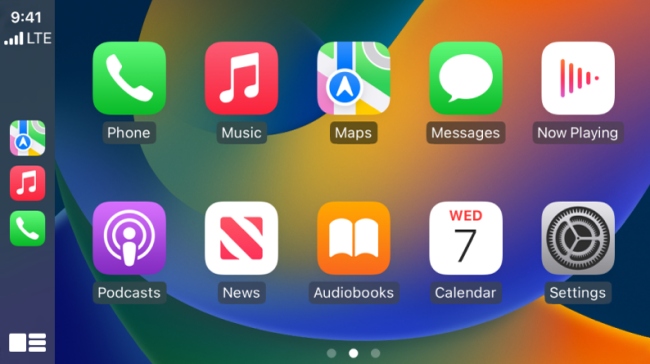
- Aftermarket Head Units: This is where things get interesting. Replacing your factory head unit opens up a world of possibilities. Modern aftermarket units boast Bluetooth connectivity, touchscreen displays, Apple CarPlay, Android Auto, and even support for apps like Spotify and Waze. Installation can be a DIY project for the mechanically inclined, or a relatively affordable service at a local car audio shop.
Choosing the right option depends on your budget, technical aptitude, and desired level of functionality. Remember to research compatibility with your specific vehicle model before making a purchase.
The Electric Revolution and Retrofitting
While you're upgrading your audio, it's hard to ignore the elephant in the room: the rise of electric vehicles (EVs). While a direct conversion to electric power for your 2002 car might be cost-prohibitive, understanding the technology influencing modern audio systems is crucial. EVs are inherently quieter than internal combustion engine (ICE) vehicles, creating a more pristine sound environment. This has led to innovations in speaker technology and audio processing to maximize the listening experience.
Furthermore, the connected nature of modern EVs is impacting audio systems. Over-the-air updates, personalized sound profiles, and integration with smart home devices are becoming increasingly common. While you can't necessarily replicate these features in your 2002 car, considering these advancements can inform your choices. For instance, selecting a head unit with future-proofed connectivity (e.g., support for wireless CarPlay/Android Auto) ensures your system remains relevant for longer.
Hybrid Systems and the Sound of Efficiency
Hybrid systems, a stepping stone between ICE and EVs, are also influencing automotive audio. The efficiency demands of hybrid vehicles have led to the development of lighter, more energy-efficient audio components. This focus on sustainability and minimal power consumption is a trend that will likely continue to shape the industry.
Consider this when upgrading your system. Opting for energy-efficient amplifiers and speakers not only improves sound quality but also reduces the strain on your car's electrical system. This is especially important in older vehicles where the charging system might be less robust than in modern cars.
Smart Automotive Solutions: The Connected Car Era
The "smart" car is no longer a futuristic fantasy; it's a present-day reality. Features like advanced driver-assistance systems (ADAS), cloud-based navigation, and personalized infotainment are becoming commonplace. While integrating these functionalities into a 2002 vehicle is challenging, certain aftermarket solutions can bridge the gap.
For example, dashcams with ADAS features like lane departure warning and forward collision alert can enhance safety. Similarly, smartphone-based navigation apps can provide real-time traffic updates and optimized routes, mimicking the capabilities of integrated navigation systems. The key is to leverage the power of your smartphone and aftermarket accessories to create a "smarter" driving experience.
Challenges and Optimism: Navigating the Retrofit Landscape
Retrofitting older vehicles with modern technology isn't without its challenges. Compatibility issues, wiring complexities, and the potential for unintended consequences (e.g., draining the battery) are real concerns. However, with careful research, proper installation, and a dose of patience, these challenges can be overcome.
The key is to approach the project with a clear understanding of your car's limitations and the capabilities of the aftermarket components. Don't be afraid to seek professional assistance when needed. The reward – a modernized driving experience in your cherished 2002 vehicle – is well worth the effort.
Optimism is essential. The automotive industry is constantly evolving, and new solutions for retrofitting older vehicles are emerging all the time. Embrace the challenge, be resourceful, and enjoy the journey of transforming your classic car into a modern marvel.
A Visionary Note: The Future of Mobility and Timeless Design
Looking ahead, the future of mobility will be defined by connectivity, sustainability, and personalized experiences. Autonomous driving, shared mobility services, and advanced electric powertrains will reshape how we travel. However, the timeless appeal of classic cars will endure. Imagine a future where our beloved vintage vehicles are seamlessly integrated into the modern transportation ecosystem, powered by sustainable energy, and equipped with the latest technology, all while retaining their unique character and charm. This vision inspires us to not only upgrade our cars but also to preserve the legacy of automotive history for generations to come. The joy of driving, enhanced by thoughtful technology, will always be relevant.