
How To Get Smoke Smell Out Of Car Quickly
That persistent smoke smell clinging to your car's interior can be a real headache. Whether it's from a past owner's smoking habit, a brief bonfire encounter, or even just a lingering campfire scent, getting rid of it requires a multi-pronged approach. Luckily, with a bit of elbow grease and the right techniques, you can effectively eliminate that unpleasant odor and enjoy a fresh-smelling ride again.
Understanding the Enemy: Where Smoke Hides
Smoke particles are incredibly small and pervasive. They don't just sit on surfaces; they embed themselves deep within the fibers of your upholstery, carpets, headliner, and even the ventilation system. Think of it like this: a 1967 Ford Mustang with its original, plush carpet is going to hold onto smoke odors more than a modern Honda Civic with synthetic, tightly woven fabric. The porous nature of older materials provides more nooks and crannies for smoke to penetrate. Similarly, a leather interior, like those often found in BMWs or Audis, might seem easier to clean, but smoke can seep into the pores of the leather, requiring specialized cleaning methods.
The HVAC system is another major culprit. When the car is running, the ventilation system acts like a pump, drawing in smoky air and circulating it throughout the cabin. Over time, the smell becomes trapped in the air ducts, the cabin air filter, and even the evaporator core. Consider the complexities of the climate control system in a modern Tesla Model 3 – it's far more sophisticated than the simple heater of an older vehicle, meaning more surfaces for smoke to adhere to.
The Arsenal: Essential Tools and Products
Before diving in, gather your supplies. You'll need:
- Vacuum cleaner with upholstery attachments: A powerful vacuum is your first line of defense. Look for models with crevice tools and brush attachments to reach tight spaces and lift embedded particles.
- Odor-neutralizing cleaner: Standard household cleaners often mask odors rather than eliminating them. Choose a cleaner specifically designed to neutralize smoke smells. Enzymatic cleaners are particularly effective because they break down the organic compounds that cause the odor. Many auto detailing supply companies offer excellent odor eliminators.
- Upholstery cleaner: For fabric surfaces, an upholstery cleaner is essential. Test the cleaner in an inconspicuous area first to ensure it doesn't discolor the material.
- Leather cleaner and conditioner (if applicable): If your car has leather seats, use a dedicated leather cleaner and conditioner to avoid damaging the leather. Brands like Lexol are popular choices.
- Microfiber cloths: Microfiber cloths are soft, absorbent, and won't scratch delicate surfaces.
- Baking soda: Baking soda is a natural odor absorber.
- Ozone generator (optional): For stubborn odors, an ozone generator can be highly effective, but use it with caution (more on this later).
- Cabin air filter: A fresh cabin air filter is a must.
The Battle Plan: Step-by-Step Smoke Removal
Here's a comprehensive approach to tackling that smoke smell:
Step 1: The Initial Vacuum Assault
Start with a thorough vacuuming of the entire interior. Pay close attention to the carpets, seats (including under them!), headliner, and door panels. Use the crevice tool to reach tight spaces between seats and around consoles. Remember, getting rid of loose particles is crucial before you move on to deeper cleaning. Imagine years of accumulated dust and debris in a well-used pickup truck like a Ford F-150 – that initial vacuuming is essential!
Step 2: Deep Cleaning Upholstery and Carpets
Next, tackle the upholstery and carpets. Apply the upholstery cleaner according to the manufacturer's instructions. Work the cleaner into the fabric using a brush or sponge, and then blot it up with a clean microfiber cloth. Avoid oversaturating the fabric, as this can lead to mildew. For particularly stubborn stains or odors, you may need to repeat the process. Consider using a portable carpet extractor for even better results – these machines spray cleaning solution and then suck it back up, lifting dirt and odors from deep within the fibers.
For leather seats, use a dedicated leather cleaner and conditioner. Apply the cleaner to a microfiber cloth and gently wipe down the seats. Follow up with a leather conditioner to keep the leather supple and prevent cracking. Remember, a luxury car like a Mercedes-Benz S-Class deserves a premium leather treatment!
Step 3: Surface Cleaning
Wipe down all hard surfaces with an odor-neutralizing cleaner. This includes the dashboard, door panels, center console, steering wheel, and any other plastic or vinyl surfaces. Pay attention to crevices and areas where smoke particles might accumulate. You might find that the texture of the surfaces, similar to the textured plastic in many Jeep Wranglers, make it difficult to clean effectively. Using a small brush can help in those cases.
Step 4: Baking Soda Power
Sprinkle baking soda generously over the carpets and upholstery. Let it sit for at least several hours, or preferably overnight, to absorb odors. Then, vacuum it up thoroughly. Baking soda is a safe and effective natural odor absorber that can work wonders.
Step 5: HVAC System Refresh
Replace the cabin air filter. This is a relatively inexpensive and easy task that can make a big difference in air quality. Consult your owner's manual for the location of the cabin air filter. Run the air conditioning on high with the windows open to help flush out any lingering odors from the ventilation system. You can also try spraying an odor-neutralizing spray directly into the air vents while the system is running.
Step 6: Ozone Generator (Use with Caution!)
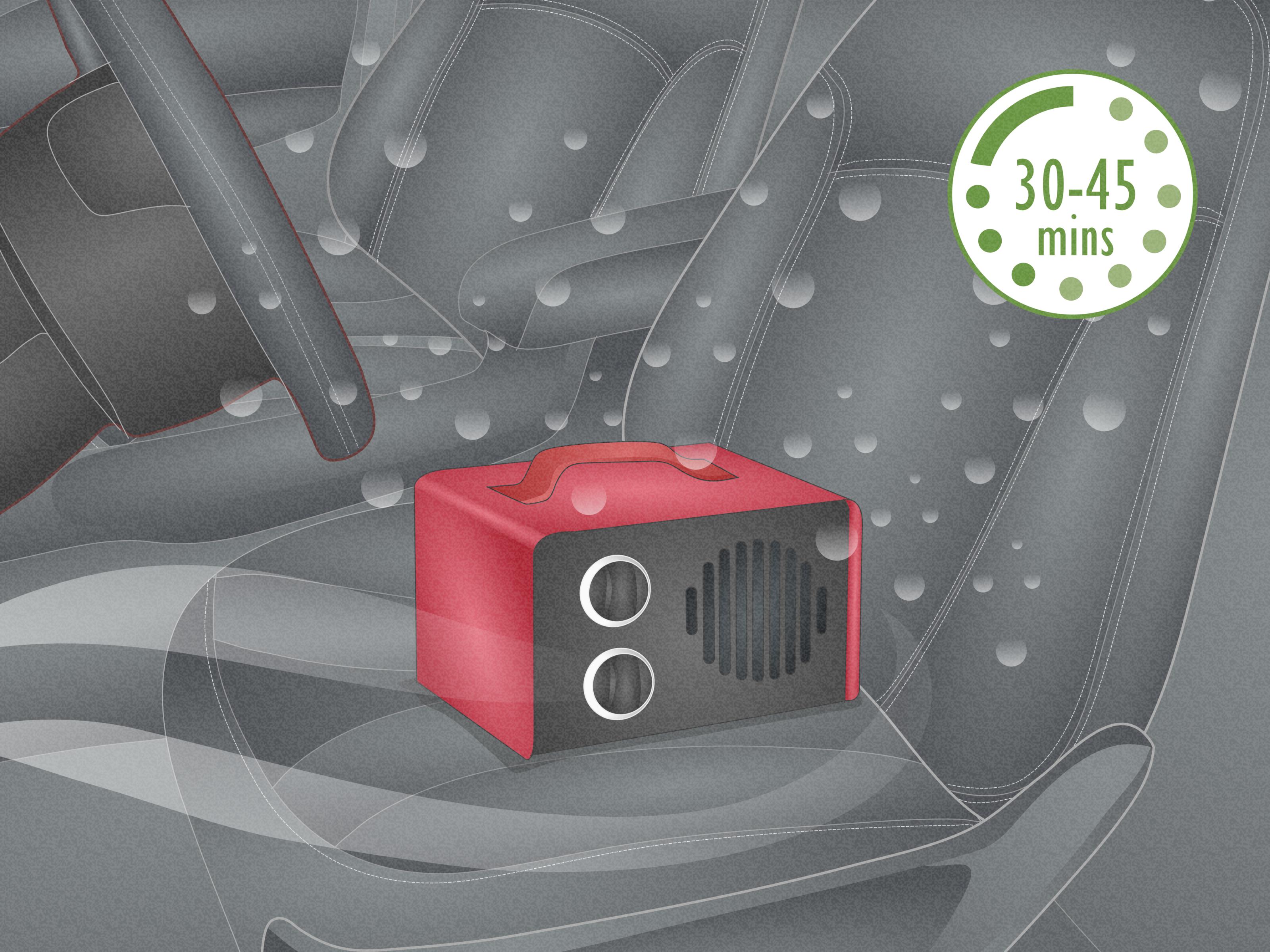
An ozone generator can be a powerful tool for eliminating stubborn smoke odors. However, ozone is a harmful gas, so it's essential to use it safely. Never operate an ozone generator while people or pets are in the vehicle or the surrounding area. Follow the manufacturer's instructions carefully, and ventilate the car thoroughly after treatment. Ozone generators work by oxidizing organic compounds, effectively destroying the odor molecules. This is best left for detailing professionals.
Step 7: Air It Out
Finally, air out the car thoroughly. Open all the windows and doors and let it sit in the sun for as long as possible. Sunlight can help to break down any remaining odor molecules.
Practical Takeaways
- Prevention is key: Avoid smoking in your car in the first place.
- Act quickly: The sooner you address the smoke smell, the easier it will be to remove.
- Be thorough: Don't skip any steps in the cleaning process. Smoke particles can hide in unexpected places.
- Repeat as needed: You may need to repeat some steps, such as vacuuming and cleaning, to completely eliminate the odor.
- Consider professional help: If you've tried everything and the smoke smell persists, consider hiring a professional detailer. They have specialized equipment and knowledge to tackle even the most stubborn odors.
- Cabin Air Filter is your friend: Replacing this regularly, even without smoke issues, will improve air quality within the car.
By following these steps and using the right tools and products, you can effectively remove that unpleasant smoke smell from your car and enjoy a fresh and clean driving experience. Remember to adapt the methods to your car's specific interior materials and the severity of the odor. Happy cleaning!