
How To Get The Smell Of Mildew Out Of Car
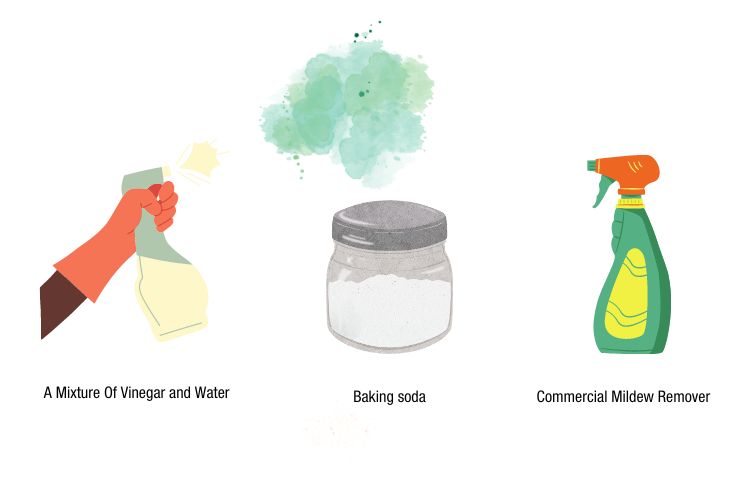
That musty, damp smell in your car? Yeah, that's mildew, and nobody wants it. It's not just unpleasant; it can also trigger allergies and respiratory issues. Figuring out *how* it got there is important, but more immediately, you need to get rid of it. As a service advisor, I've heard countless complaints about this, and I've seen what works. Let's break down how to banish that mildew smell and keep it from coming back.
Understanding the Enemy: Mildew in Your Car
First, let's clarify what we're dealing with. Mildew is a type of fungus that thrives in damp, dark environments. In a car, that often means:
- Spilled drinks or food: Especially milk or sugary substances.
- Leaky windows or sunroof: Water seeping into the carpets or upholstery.
- Wet clothes or gear left inside: Think gym clothes, swimsuits, or even just a wet umbrella.
- Clogged A/C drain: This can cause moisture to build up in the evaporator core, leading to mildew growth and that telltale smell coming from your vents.
Ignoring the problem only makes it worse. Mildew spores spread quickly, embedding themselves deeper into the car's interior. That's why acting fast is crucial.
Tools of the Trade
Before you dive in, gather your supplies. You'll likely need:
- Wet/Dry Vacuum: Essential for extracting moisture and cleaning surfaces.
- Carpet Cleaner or Upholstery Cleaner: Choose a product specifically designed for car interiors.
- Enzyme Cleaner: This is key for breaking down organic matter and eliminating the source of the odor. Look for one labeled for mold and mildew.
- Microfiber Cloths: For wiping down surfaces.
- Stiff-Bristled Brush: For scrubbing carpets and upholstery.
- Baking Soda: A natural deodorizer.
- Ozone Generator (Optional): For severe cases, an ozone generator can help eliminate odors. However, use with caution and follow the manufacturer's instructions carefully. Ozone can be harmful to breathe.
- Spray Bottle: For applying cleaners.
- Gloves and Mask: To protect yourself from mold spores and cleaning chemicals.
- Shop Light or Flashlight: To help you see into dark corners.
Step-by-Step Mildew Removal
Here's a comprehensive approach to getting rid of that mildew smell:
1. Identify and Eliminate the Source
This is the most important step. Find out where the moisture is coming from. Check under the seats, in the trunk, and around the windows and sunroof. Look for visible mold or mildew growth. If you suspect a leaky window or sunroof, have it professionally inspected and repaired. A clogged A/C drain requires attention too. You might be able to clear it yourself using a flexible wire or compressed air, but a mechanic can diagnose and fix more complex issues.
2. Deep Cleaning the Interior
Once you've addressed the source of the moisture, it's time to clean. This is going to take some elbow grease!
- Remove everything from the car: Floor mats, seat covers, anything that's not permanently attached. Wash or clean these items separately.
- Vacuum thoroughly: Use the wet/dry vacuum to remove loose dirt, debris, and as much moisture as possible from the carpets, upholstery, and headliner. Pay special attention to seams and crevices.
- Clean carpets and upholstery: Apply the carpet or upholstery cleaner according to the manufacturer's instructions. Use the stiff-bristled brush to work the cleaner into the fibers. Then, use the wet/dry vacuum to extract the cleaner and any remaining moisture.
- Treat with enzyme cleaner: Spray the enzyme cleaner on any areas where you suspect mildew growth. Allow it to sit for the recommended time (usually 10-15 minutes) to break down the organic matter. Then, wipe away the excess with a clean microfiber cloth.
- Clean hard surfaces: Wipe down all hard surfaces (dashboard, door panels, console) with a damp microfiber cloth and a mild all-purpose cleaner.
3. Deodorizing
Even after cleaning, the mildew smell might linger. Here are a few effective deodorizing methods:
- Baking Soda: Sprinkle baking soda liberally on the carpets and upholstery. Let it sit for several hours, or even overnight, to absorb odors. Then, vacuum it up thoroughly.
- Activated Charcoal: Place bowls of activated charcoal in the car to absorb odors. Replace the charcoal every few weeks.
- Ozone Generator (Use with Caution): As mentioned earlier, an ozone generator can be very effective at eliminating odors. However, ozone is harmful to breathe, so follow the manufacturer's instructions exactly. Run the generator in the car with all the windows closed, and do not enter the car while it's running. After the treatment, air out the car thoroughly for several hours before driving it. This is not recommended if you have respiratory problems or are sensitive to odors.
4. Drying and Ventilation
Proper drying is essential to prevent mildew from returning. Open all the car doors and windows to allow air to circulate. If possible, park the car in direct sunlight. You can also use a dehumidifier inside the car to speed up the drying process.
Preventing Future Mildew Problems
Once you've eliminated the mildew, take steps to prevent it from coming back:
- Clean up spills immediately: Don't let spills sit and fester.
- Avoid leaving wet items in the car: Dry wet clothes, towels, and gear before putting them in the car.
- Regularly vacuum the interior: This will help remove dirt, debris, and moisture.
- Check for leaks: Inspect windows, sunroof, and door seals regularly for leaks.
- Run the A/C periodically: Even in cool weather, running the A/C can help dehumidify the air inside the car.
- Ensure proper ventilation: Don't leave the car closed up for extended periods, especially in humid weather. Crack the windows slightly to allow air to circulate.
Professional Help
If you've tried everything and the mildew smell persists, or if you suspect a serious mold infestation, it's time to call in the professionals. A professional detailing service or mold remediation company can thoroughly clean and disinfect your car, and address any underlying issues that are contributing to the problem.
Approximate Costs:
- DIY Cleaning: $20-$50 for cleaning supplies.
- Professional Detailing: $100-$300, depending on the extent of the cleaning.
- Mold Remediation: $300-$1000 or more, depending on the severity of the infestation.
- A/C Drain Cleaning: $50-$150 (if done by a mechanic).
- Leak Repair: Varies greatly depending on the source and severity of the leak.
Getting rid of mildew in your car takes time and effort, but it's worth it for your health and comfort. By following these steps, you can banish that musty smell and enjoy a fresh, clean driving experience. And remember, preventative maintenance is key to keeping mildew at bay.