
How To Get Water Spots Off Windows Of Car
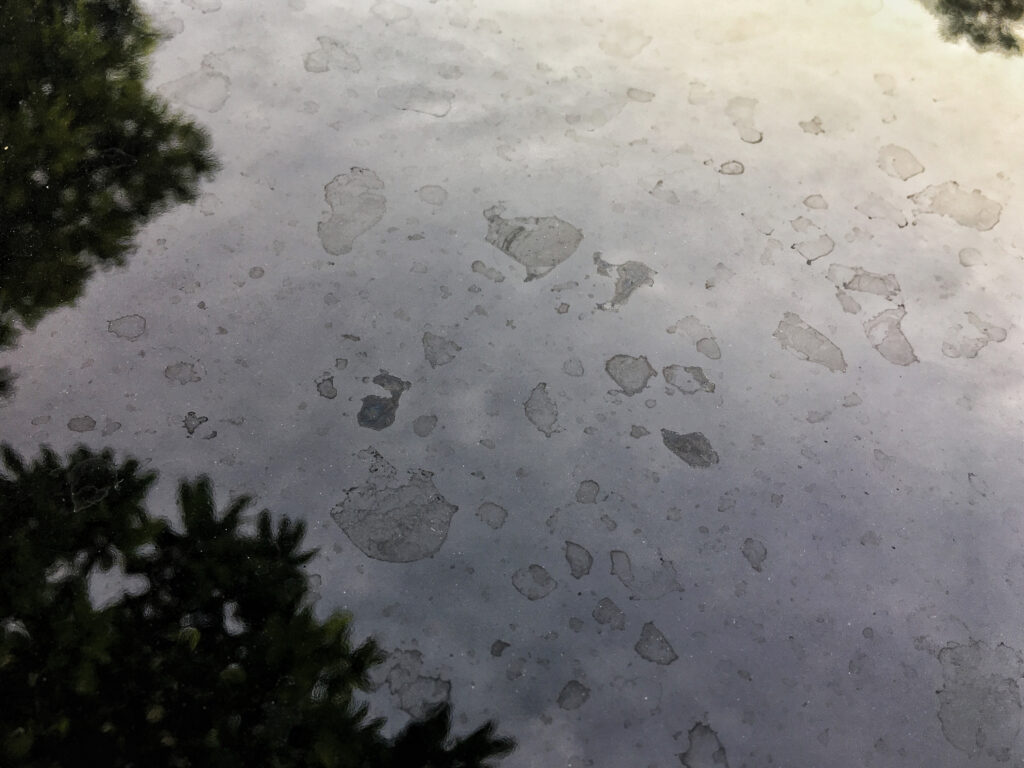
Water spots on your car windows are more than just an aesthetic nuisance; they can reduce visibility and, over time, etch themselves into the glass, making them increasingly difficult to remove. This article provides a comprehensive guide for car owners and mechanics on how to effectively remove water spots, prevent their recurrence, and maintain optimal window clarity.
Understanding the Enemy: What Causes Water Spots?
Water spots are primarily caused by the minerals present in water. When water evaporates from your car's windows, these minerals – like calcium and magnesium – are left behind as deposits. The severity of the spots depends on the mineral content of the water and the length of time the water is allowed to sit on the glass. Common culprits include:
- Hard Water: Water with high mineral content.
- Rainwater: While seemingly pure, rainwater can absorb pollutants and minerals as it falls.
- Sprinkler Systems: Often use hard water.
- Car Washes: Especially those that don't use a drying agent or are not properly maintained.
Identifying the Problem: Recognizing the Symptoms
Water spots manifest in different ways, depending on their severity:
- Light Water Spots: These appear as faint, hazy spots that are easily visible when the sun hits the window at a certain angle.
- Moderate Water Spots: More noticeable, often appearing as defined rings or blotches. They may feel slightly rough to the touch.
- Severe Water Spots (Etched Spots): These are deeply embedded in the glass and may require aggressive methods to remove. They can significantly impair visibility, especially at night.
The Arsenal: Tools and Products for Water Spot Removal
Before diving into the removal process, gather the necessary tools and products:
- Microfiber Towels: Essential for cleaning and drying without scratching the glass.
- Spray Bottle: For applying cleaning solutions.
- Glass Cleaner: A good quality automotive glass cleaner is a must.
- White Vinegar: A natural and effective solution for mild water spots.
- Distilled Water: For diluting vinegar and rinsing.
- Clay Bar: For removing embedded contaminants.
- Glass Polish: For more stubborn spots.
- Orbital Polisher (Optional): Can make polishing faster and more effective.
The Battle Plan: Step-by-Step Removal Techniques
Start with the least abrasive method and work your way up as needed.
Method 1: The Vinegar Solution (For Light to Moderate Spots)
- Mix: Combine equal parts white vinegar and distilled water in a spray bottle.
- Apply: Spray the solution liberally onto the affected window area.
- Soak: Allow the solution to sit for 2-3 minutes.
- Wipe: Use a clean microfiber towel to wipe away the solution, using firm, circular motions.
- Rinse: Rinse the window with distilled water.
- Dry: Dry the window thoroughly with a clean, dry microfiber towel.
- Inspect: Check for any remaining spots. Repeat the process if necessary.
Example: This method often works well on Honda Civics and Toyota Corollas, as their glass tends to be relatively durable.
Method 2: The Clay Bar Treatment (For Embedded Contaminants)
- Wash: Thoroughly wash the window to remove any loose dirt and debris.
- Lubricate: Spray the window with a clay bar lubricant (or soapy water).
- Clay: Gently rub the clay bar over the lubricated surface in back-and-forth motions, applying light pressure.
- Wipe: Wipe away the residue with a clean microfiber towel.
- Inspect: Check for any remaining spots. Proceed to glass polish if needed.
Example: This is a great method for removing stubborn spots on cars like BMW 3 series or Audi A4s where hard water may have sat for extended periods.
Method 3: The Glass Polish Approach (For Stubborn and Etched Spots)
- Clean: Thoroughly clean the window.
- Apply Polish: Apply a small amount of glass polish to a microfiber applicator pad or a polishing pad attached to an orbital polisher.
- Polish: Using moderate pressure, polish the affected area in overlapping circular motions. If using an orbital polisher, start with a low speed and gradually increase as needed.
- Wipe: Wipe away the residue with a clean microfiber towel.
- Inspect: Check for any remaining spots. Repeat the process if necessary. For deeply etched spots, you may need to consult a professional detailer.
Example: A glass polish can be effective on the windshields of larger vehicles such as Ford F-150s or Chevrolet Silverados, where water spots may have accumulated due to their size and exposure.
Prevention is Key: Keeping Water Spots at Bay
Preventing water spots is easier than removing them. Here are some preventative measures:
- Dry Immediately: After washing your car, dry the windows immediately with a microfiber towel.
- Use Filtered Water: When washing your car, use a water filter to remove minerals from the water.
- Apply a Water Repellent: Apply a water repellent coating (like Rain-X) to your windows. This will help water bead up and roll off, reducing the likelihood of water spots.
- Park Under Cover: Park your car in a garage or under a carport to protect it from rain and sprinkler systems.
Real-World Troubleshooting
Problem: Streaking after cleaning.
Solution: Use clean microfiber towels and ensure the windows are completely dry. You may also need to use a dedicated glass cleaner specifically designed to prevent streaking.
Problem: Water spots reappear quickly.
Solution: Ensure the underlying cause of the water spots is addressed (e.g., hard water, sprinkler systems). Apply a water repellent coating to help prevent future spots.
Problem: Scratches on the window after polishing.
Solution: Use a high-quality glass polish and a soft polishing pad. Avoid applying excessive pressure. If scratches persist, consult a professional.
Keeping Your Car in Top Condition: Beyond Water Spots
Maintaining your car's appearance and functionality goes beyond just removing water spots. Regular washing, waxing, and detailing will help protect your car's paint and prevent corrosion. Check your fluid levels regularly (oil, coolant, brake fluid, etc.) and follow the manufacturer's recommended maintenance schedule. Pay attention to any unusual noises or vibrations, and address them promptly to prevent more serious problems down the road. A well-maintained car not only looks better but also performs better and lasts longer.